Best Tools for Tracking Cognitive Performance Over Time
 Michelle Liu
Best Tools for Tracking Cognitive Performance Over Time
"What gets measured gets managed." This principle applies to cognitive performance as much as it does to fitness or finances. But most people have never systematically tracked how their brain performs — and that's a missed opportunity.
This article reviews the best tools for tracking cognitive performance over time, from scientifically validated tests to consumer apps, and explains what to look for when choosing a tracking method.
Why Track Cognitive Performance?
The Case for Objective Measurement
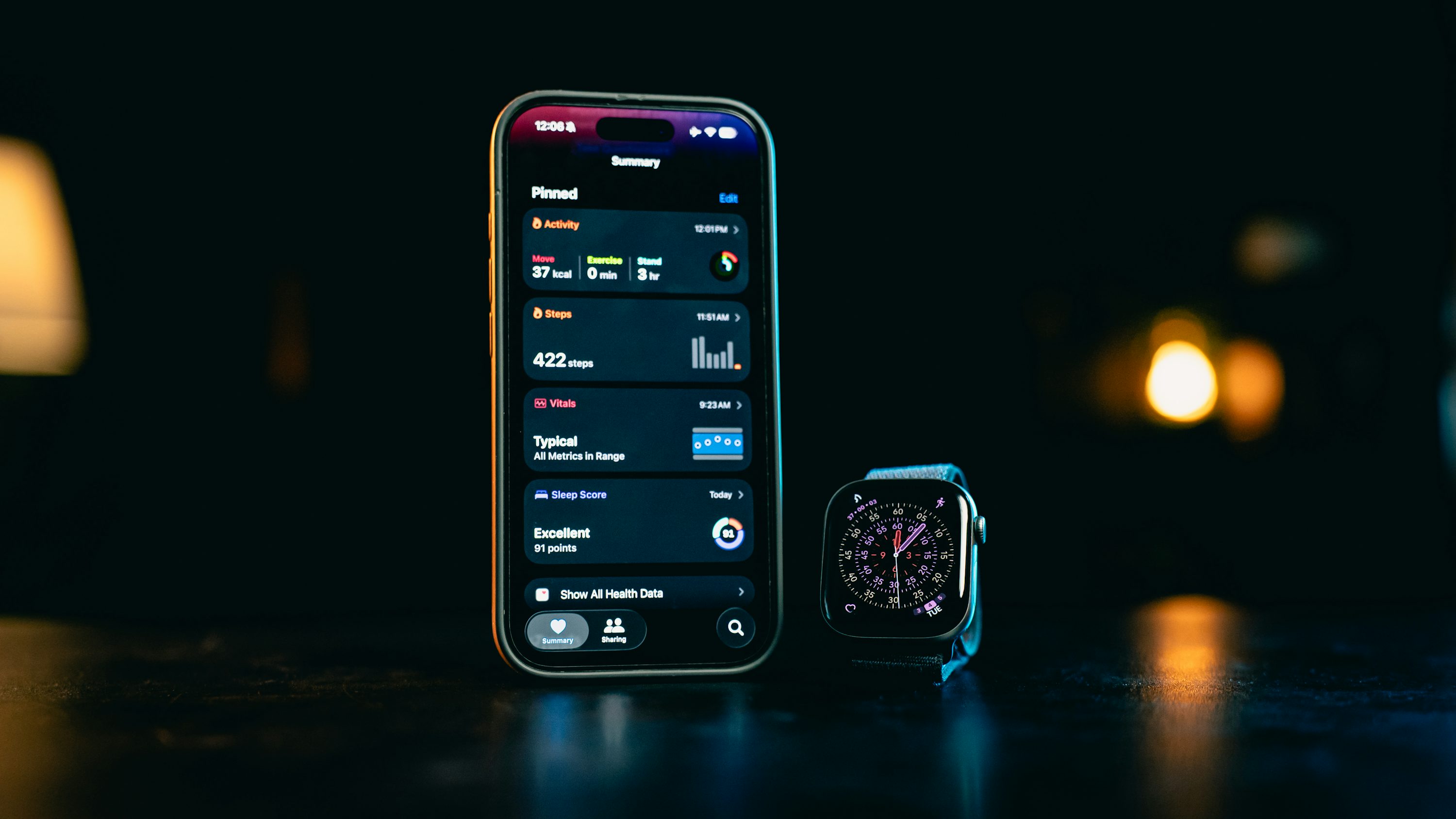
- Subjective feeling is unreliable: Research shows people are poor judges of their own cognitive state. You might feel sharp while your reaction time is 40ms slower than usual
- Detect decline early: Gradual changes (from poor sleep, stress, or aging) are invisible day-to-day but clear in longitudinal data
- Measure intervention effects: Started exercising? Changed your diet? Tried a supplement? Tracking lets you see if it actually works — with data, not guesswork
- Optimize performance: Athletes track physical metrics obsessively. Knowledge workers should do the same for cognitive metrics
What to Measure: Key Cognitive Metrics
The Core Four
An effective cognitive tracking system should cover these domains:
- Reaction time / Processing speed: How fast your brain processes information. Best measured with PVT (Psychomotor Vigilance Task) or DSST (Digit Symbol Substitution Test)
- Working memory: How much information you can hold and manipulate simultaneously. Measured with memory grid tasks or N-back
- Attention / Vigilance: How consistently you maintain focus over time. PVT lapse count is the gold standard
- Cognitive flexibility: How quickly you switch between mental tasks. Measured with task-switching paradigms
Track all four cognitive domains for free
CortexLab measures reaction time, working memory, processing speed, and cognitive flexibility
Top Cognitive Tracking Tools
1. CortexLab (Free, Web-Based)
Best for: Daily tracking with scientifically validated tests
- Tests available: PVT (reaction time + attention), DSST (processing speed), Memory Grid (working memory), Task Switching (cognitive flexibility)
- Time commitment: 3–5 minutes per test
- Tracking features: Historical charts, trend analysis, percentile rankings
- Scientific basis: All tests are based on established cognitive science paradigms used in peer-reviewed research
- Cost: Free
- Pros: Multi-domain coverage, research-grade tests, no download required, free
- Cons: Web-based (requires internet), newer platform
2. Cambridge Brain Sciences
Best for: Research-grade assessments
- Developed by neuroscientists at Cambridge University
- Tests cover reasoning, memory, verbal ability, and attention
- Used in over 300 published studies
- Pros: Strong scientific validation, comprehensive battery
- Cons: Premium pricing for individual use, longer test sessions
3. Lumosity
Best for: Gamified brain training with performance tracking
- Most popular brain training app (100M+ users)
- Provides a "Lumosity Performance Index" (LPI) for tracking over time
- Pros: Engaging game format, large normative database
- Cons: FTC settlement (2016) over exaggerated claims. Improvement on Lumosity tasks may not transfer to real-world cognition. Not truly research-grade
4. BrainHQ (Posit Science)
Best for: Evidence-based brain training for older adults
- Built on the ACTIVE study — one of the largest cognitive training RCTs
- Focus on processing speed, attention, and memory
- Pros: Strongest evidence base for real-world transfer effects, especially in older adults
- Cons: Subscription required, less engaging interface
5. Quantified Mind
Best for: Self-experimenters and biohackers
- Free, open-source cognitive testing platform
- Designed specifically for self-experiments (A/B testing interventions)
- Pros: Free, designed for tracking, good for comparing conditions
- Cons: Dated interface, less user-friendly, limited test variety
How to Build a Tracking Habit
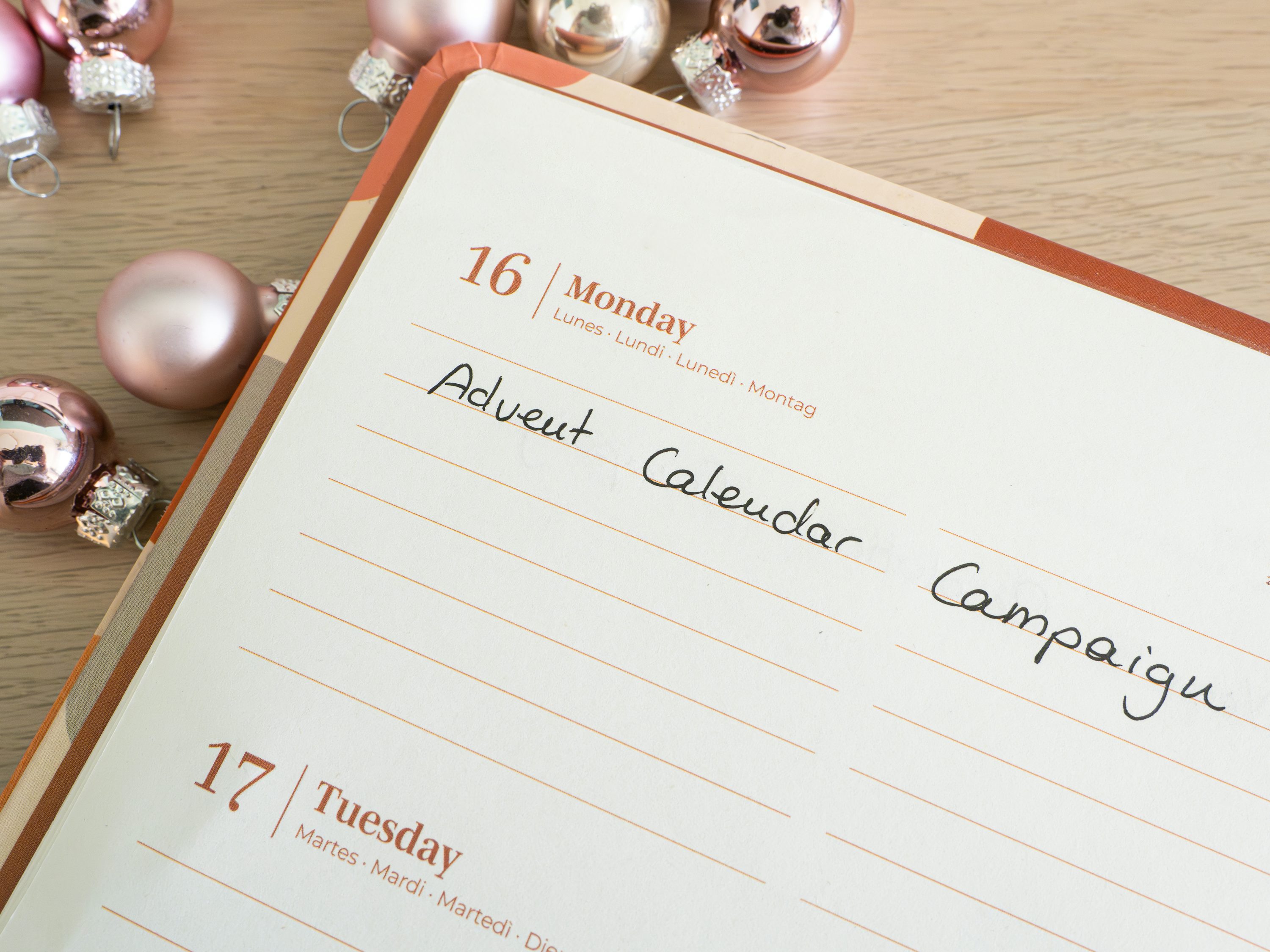
The Ideal Routine
- Pick one tool and stick with it (switching tools makes data incomparable)
- Test at the same time daily: Morning before coffee is ideal — it captures your true baseline
- Keep it short: 3–5 minutes max. Longer sessions lead to dropout
- Test consistently: 3–5 days per week minimum. Daily is ideal
- Log context: Note sleep hours, caffeine intake, exercise, stress level alongside your scores
What to Look For in Your Data
- Trends, not individual sessions: Any single test can be noisy. Look at 7-day or 30-day moving averages
- Lapse count (if available): Often the most sensitive indicator of fatigue and sleep debt
- Correlation with habits: After 30+ data points, you can start identifying which habits have the biggest impact on your scores
- Seasonal patterns: Many people show cognitive performance differences across seasons
Common Tracking Mistakes

- Testing only when you feel sharp: This creates selection bias. Test every day regardless of how you feel
- Comparing across different tools: A "200ms" on one platform doesn't equal "200ms" on another. Stick to one tool
- Optimizing for the test: The goal isn't to get the highest score — it's to track your true cognitive state. Don't cheat yourself
- Ignoring context: Raw scores without context (sleep, stress, caffeine) tell an incomplete story
The Future of Cognitive Tracking
- Passive monitoring: Wearables may eventually track cognitive proxies (typing speed, reaction time in daily tasks) without active testing
- Integration with health data: Combining cognitive scores with sleep tracker data, HRV, and activity metrics for a complete picture
- AI-driven insights: Machine learning models that identify which factors most influence your cognitive performance
Tracking cognitive performance over time is one of the highest-leverage health habits you can adopt. CortexLab provides free, scientifically validated tests across four cognitive domains — reaction time, working memory, processing speed, and cognitive flexibility. Start testing today, and in 30 days you'll have a data-driven understanding of what makes your brain perform at its best.
Share this article

Michelle Liu
Developer & Cognitive Performance Researcher at CortexLab
Software engineer bridging cognitive science and technology. Focused on building scientifically-grounded brain performance measurement tools.