Cognitive Performance: How to Test, Track & Improve Your Brain
 Michelle Liu
What Is Cognitive Performance?
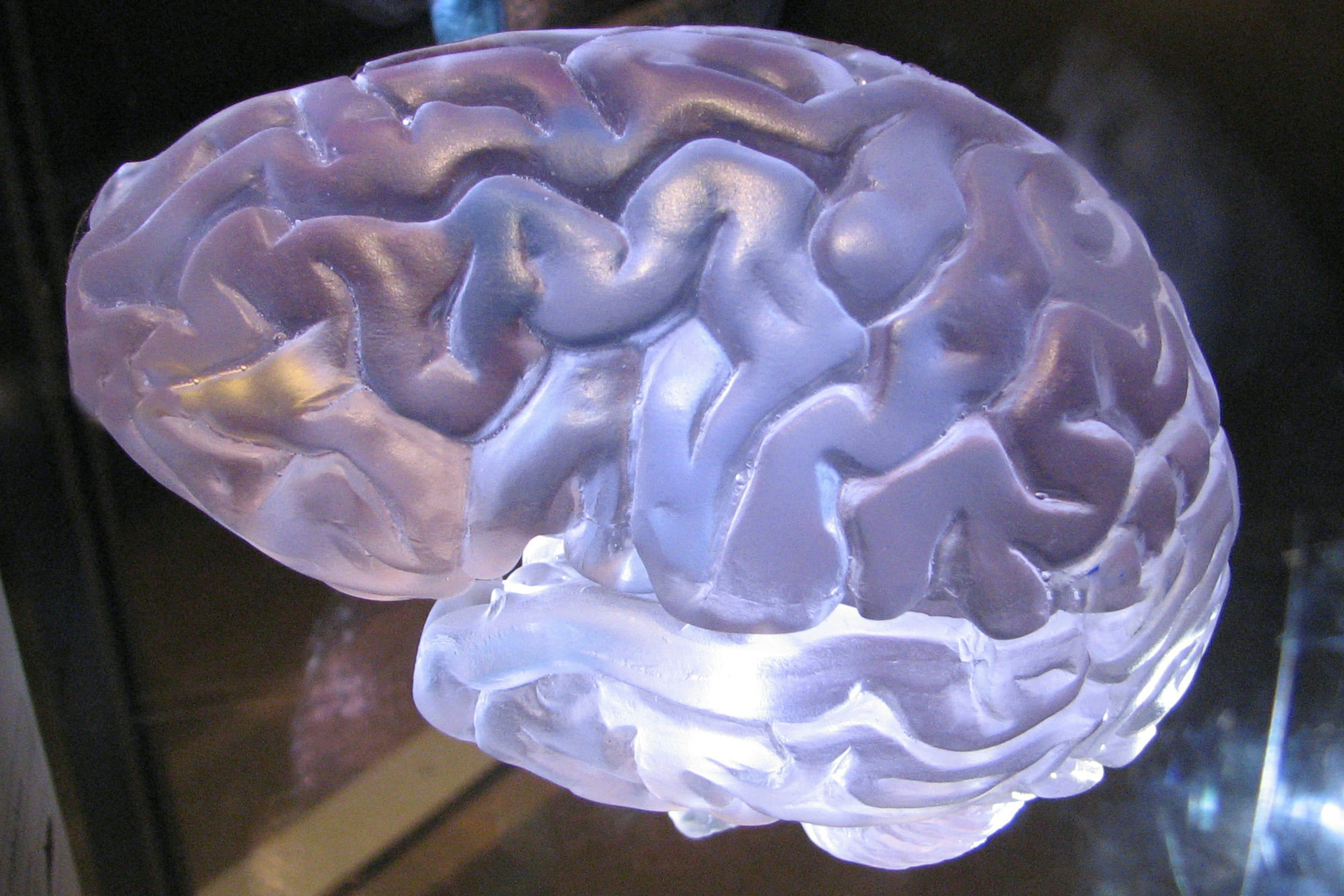
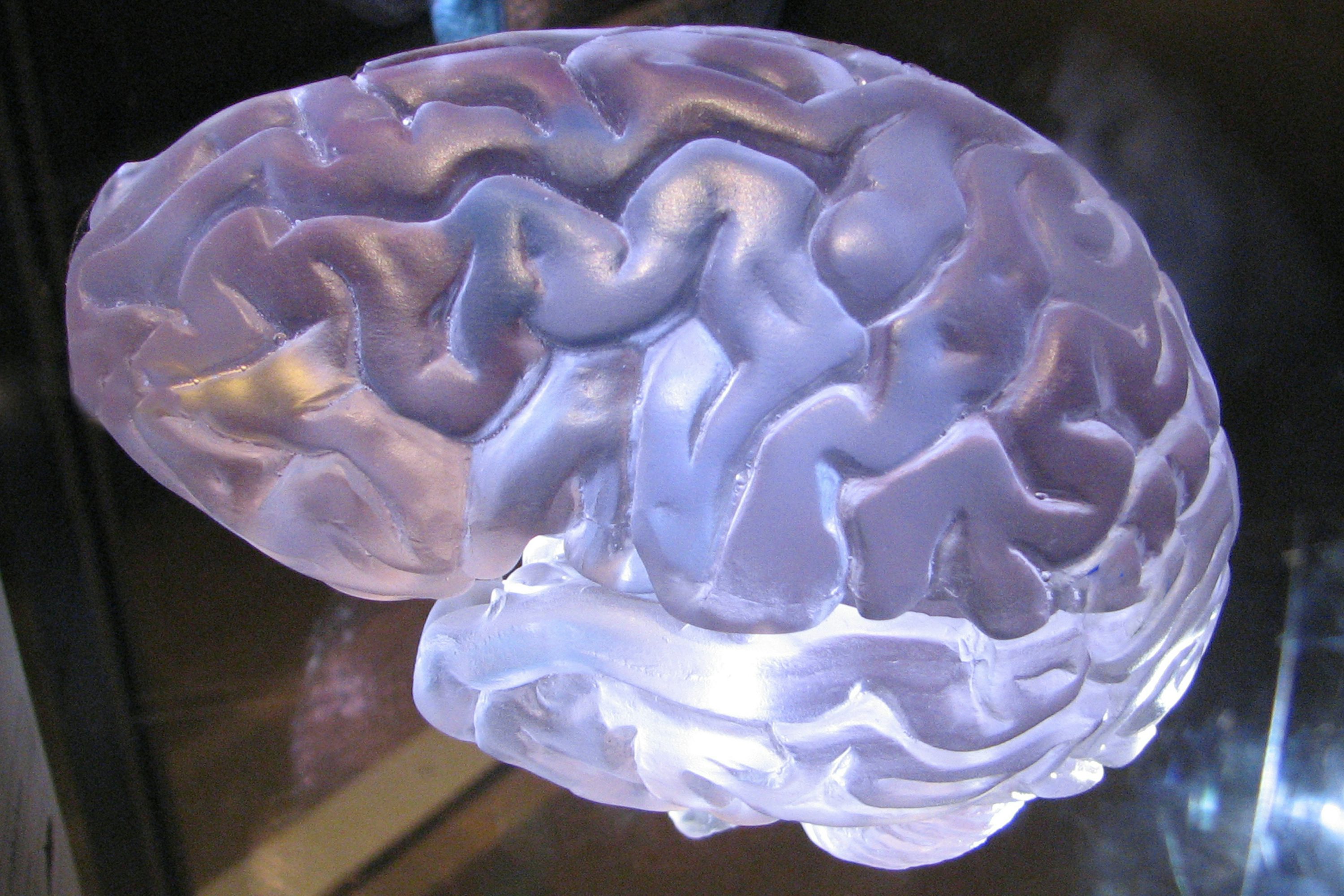
Cognitive performance refers to how well your brain executes its core mental functions: attention, memory, processing speed, reasoning, and executive control. It's not a single number; it's an umbrella term for the combined output of multiple cognitive systems working together.
Unlike IQ, which attempts to measure fixed intellectual capacity, cognitive performance reflects your brain's current functional state. It fluctuates hour to hour, day to day, based on sleep, stress, nutrition, exercise, and dozens of other variables. This makes it both highly dynamic and highly actionable: you can measure it, understand what affects it, and take steps to improve it.
The 5 Domains of Cognitive Performance

Cognitive performance is best understood through its component domains. Each contributes to overall mental function, and each can be measured independently.
1. Reaction Time (Alertness)
Reaction time measures how quickly you respond to a stimulus. It reflects the speed of your neural processing pipeline, from perception through decision to motor output. A fast, stable reaction time indicates an alert, well-functioning brain. CortexLab measures this with a PVT (Psychomotor Vigilance Task), the same method NASA uses to monitor astronaut alertness.
2. Working Memory
Working memory is your brain's "mental workspace," the ability to hold and manipulate information in real-time. It's essential for reading comprehension, mental arithmetic, following conversations, and multitasking. CortexLab tests this with a Memory Grid task that progressively increases in difficulty across 5 levels.
3. Processing Speed
Processing speed is how quickly your brain can take in, interpret, and respond to new information. It underlies everything from reading speed to decision-making efficiency. CortexLab uses the DSST (Digit Symbol Substitution Test), a classic neuropsychological measure, to assess this domain.
4. Pattern Recognition (Fluid Intelligence)
Pattern recognition, the ability to identify rules and relationships in novel information, is a core component of fluid intelligence. It's what lets you solve problems you've never encountered before. CortexLab tests this with number sequence tasks that span arithmetic, geometric, and Fibonacci patterns.
5. Cognitive Flexibility (Task Switching)
Cognitive flexibility is the ability to shift between different mental rules or tasks. It's critical for adapting to new situations, managing interruptions, and context-switching at work. CortexLab measures this with a task-switching paradigm where the categorization rule changes based on visual cues.
How sharp is your brain right now?
Take the free CortexLab cognitive test
Why Does Cognitive Performance Matter?

Your cognitive performance directly shapes how you function in every area of life:
Work
Processing speed, working memory, and cognitive flexibility determine how effectively you handle complex tasks, manage competing priorities, and make decisions under pressure. Even a 10% fluctuation in these abilities can be the difference between a productive day and a frustrating one.
Learning
Working memory capacity is one of the strongest predictors of academic performance. Students with higher cognitive performance absorb, retain, and apply new information more efficiently.
Health
Cognitive performance serves as an early-warning system. Consistent declines can signal sleep debt, chronic stress, nutritional deficiencies, or the early stages of neurodegenerative conditions. Regular tracking creates a personal baseline that makes subtle changes visible.
Athletics and Gaming
Reaction time and sustained attention are direct performance multipliers in competitive settings. Esports athletes, race car drivers, and combat sports fighters all depend on peak cognitive function.
6 Factors That Shape Your Cognitive Performance
1. Sleep
Sleep is the single most powerful lever for cognitive performance. A single night of poor sleep (under 6 hours) measurably impairs reaction time, working memory, and decision-making. Chronic sleep restriction compounds these effects. The target: 7-9 hours of consistent, quality sleep.
2. Exercise
Aerobic exercise increases cerebral blood flow, stimulates BDNF (brain-derived neurotrophic factor) release, and promotes neuroplasticity. Research consistently shows that 150+ minutes of moderate exercise per week correlates with better cognitive performance across all domains. Even a single bout of exercise can temporarily boost alertness and processing speed.
3. Nutrition
The brain consumes about 20% of your daily energy despite being only 2% of body weight. Key nutritional factors include:
- Omega-3 fatty acids (fish, walnuts): support neuronal membrane integrity
- Antioxidants (berries, dark chocolate): protect against oxidative stress
- B vitamins: essential for neurotransmitter synthesis
- Hydration: even 2% dehydration impairs attention and working memory
4. Stress
Acute stress can sharpen focus temporarily, but chronic stress floods the brain with cortisol, impairing the prefrontal cortex, the region responsible for working memory, planning, and impulse control. Managing stress is managing cognitive performance.
5. Caffeine
Caffeine is the world's most widely used cognitive enhancer. It blocks adenosine receptors, maintaining alertness and improving reaction time by 10-20ms on average. Strategic use matters: 200-400mg per day, timed 30-60 minutes before tasks requiring peak performance.
6. Age
Processing speed and working memory gradually decline after the mid-20s, but the rate varies enormously. Lifestyle factors like exercise, sleep, social engagement, and continued learning can delay and minimize age-related cognitive decline by decades.
How to Test Your Cognitive Performance

Testing is the foundation of improvement. Without measurement, you're guessing.
CortexLab's Cognitive Assessment Battery
CortexLab's cognitive performance test measures all 5 domains in approximately 5 minutes:
- PVT: Reaction time and sustained attention (90 seconds)
- DSST: Processing speed and symbol-digit encoding
- Memory Grid: Visual-spatial working memory (5 difficulty levels)
- Pattern Recognition: Fluid intelligence and logical reasoning
- Task Switching: Cognitive flexibility and executive control
Each domain is scored from 0 to 100, and a weighted total score provides an overall cognitive performance index.
When and How Often to Test
- Baseline: Take the test when you're well-rested and in good condition. This establishes your personal ceiling
- Regular tracking: 2-3 times per week captures meaningful trends without over-testing
- Consistent timing: Test at the same time of day for comparable results. Morning tests reflect overnight recovery; afternoon tests reflect daily fatigue accumulation
How to Improve Your Cognitive Performance
The science points to a handful of high-impact interventions:
Prioritize Sleep Above Everything
No supplement, no brain training app, no productivity hack comes close to the cognitive benefits of consistent, adequate sleep. Fix your sleep first. Everything else builds on this foundation.
Exercise Consistently
Both aerobic exercise (running, cycling, swimming) and resistance training show cognitive benefits. The key is consistency: 150+ minutes per week of moderate activity. Even a 20-minute walk before testing measurably improves scores.
Use Cognitive Testing as Training
Regular testing with CortexLab isn't just measurement, it's active cognitive training. The tests themselves exercise the neural circuits underlying attention, memory, and processing speed. Track your results, experiment with lifestyle changes, and use the data to optimize.
Manage Stress Proactively
Meditation, deep breathing, physical activity, and adequate downtime all reduce chronic cortisol exposure. Even 10 minutes of mindfulness practice per day shows measurable effects on attention and working memory within 8 weeks.
Fuel Your Brain Properly
Consistent hydration, balanced meals rich in omega-3s and antioxidants, and strategic caffeine use provide the neurochemical foundation for peak performance. Avoid blood sugar spikes and crashes by choosing complex carbohydrates over simple sugars.
Tracking: Where Measurement Becomes Power
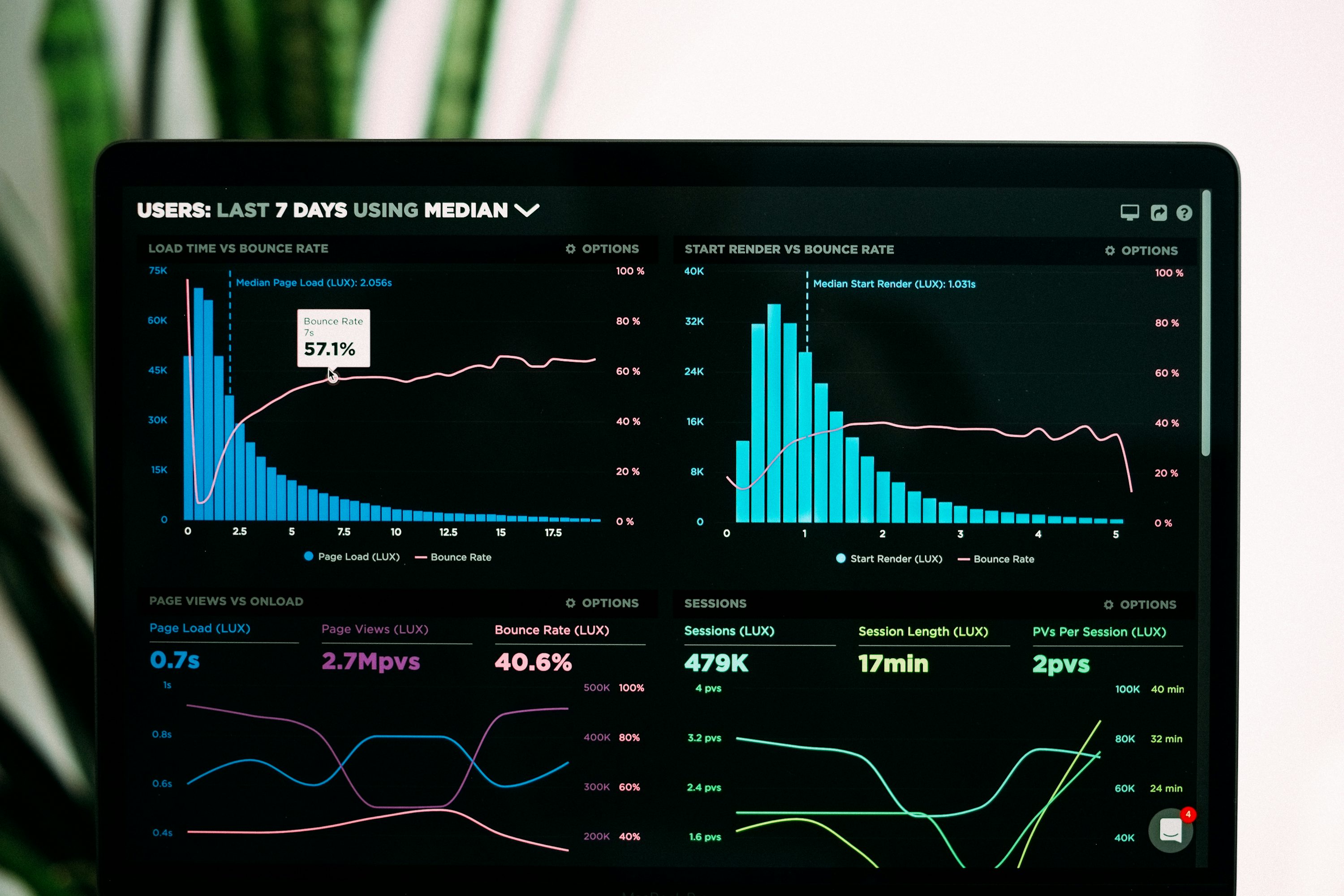
A single test tells you where you are today. But the transformative value of cognitive performance testing comes from longitudinal tracking. With CortexLab, you can:
- Log conditions before each test: sleep hours, caffeine intake, exercise, mood, and stress level
- Visualize trends: see how each cognitive domain changes over days, weeks, and months
- Discover correlations: learn which specific habits most impact your personal cognitive performance
- Get recommendations: receive evidence-based suggestions tailored to your data
This is the difference between hoping you're improving and knowing it.
Cognitive performance isn't fixed. It's a living metric that responds to how you sleep, move, eat, and manage stress. The first step to improving it is measuring it. Start with CortexLab's free 5-minute test and see where your brain stands today.
Share this article

Michelle Liu
Developer & Cognitive Performance Researcher at CortexLab
Software engineer bridging cognitive science and technology. Focused on building scientifically-grounded brain performance measurement tools.