Blog
Science-based insights on cognitive performance
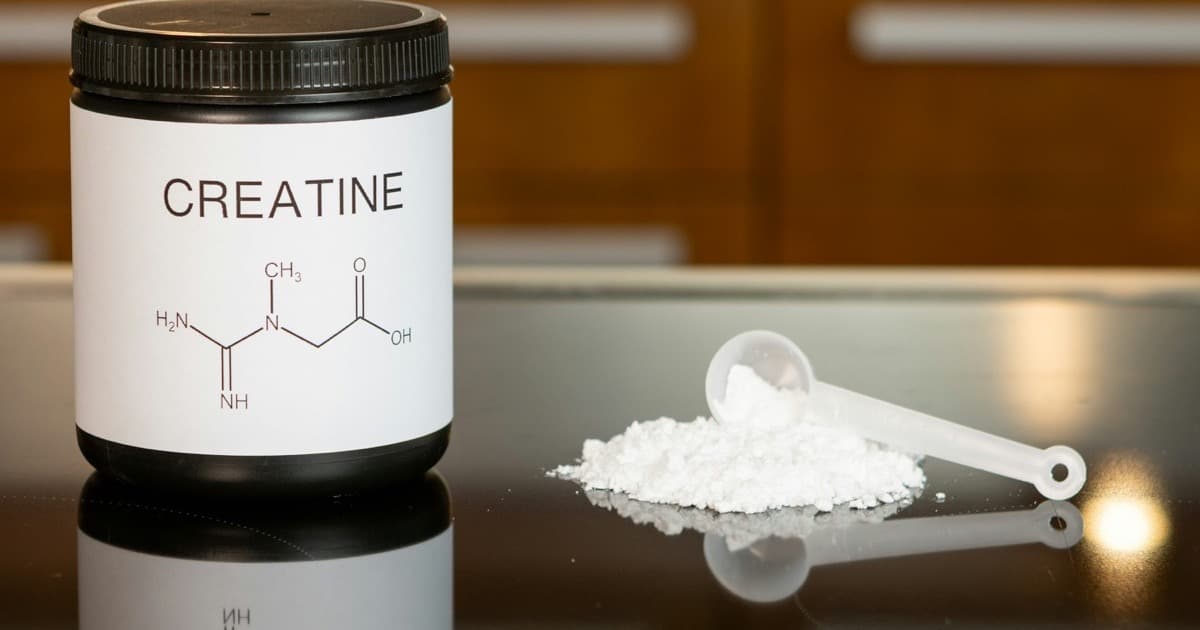
Creatine and Cognitive Performance: What the Science Says
Can creatine improve memory, attention, or processing speed? Review the evidence, its limits, safety considerations, and a practical way to track cognitive performance.

How Exercise Improves Cognitive Performance
Can exercise support attention, processing speed, and flexible thinking? Learn what the evidence says, how to build a sustainable movement routine, and how to measure your own pattern.

Cognitive Performance by Age: What to Expect at Every Stage
Learn how cognitive performance can change across adulthood, which abilities often remain strong, and how to track meaningful changes without overinterpreting one score.

Caffeine and Cognitive Performance: Benefits & Limits
What caffeine can and cannot do for cognitive performance, with practical guidance on attention, sleep, timing, individual variation, and self-tracking.

Reaction Time in Gaming: Why Milliseconds Matter
How reaction time affects gaming, why a fast test score is only one part of performance, and how to track a consistent personal baseline.

How Sleep Affects Your Reaction Time
Sleep loss can slow and destabilize reaction time, increasing attention lapses. Learn what research shows, why sleepiness affects safety, and how to track your own pattern responsibly.

Working Memory Test: Measure Your Cognitive Workspace
Learn what a working memory test measures, why scores can change, and how to use an online result responsibly. Build a comparable baseline without treating one score as a diagnosis.

Working Memory in Children: Development & Training
Learn how working memory develops in children, practical ways to reduce unnecessary task load, what training evidence can and cannot promise, and when to seek individualized support.

Working Memory Capacity: Can You Expand It?
Can you expand working memory capacity? Learn what capacity means, what training research supports, why far-transfer claims deserve caution, and practical ways to reduce cognitive load.

Working Memory and Academic Performance: What the Evidence Shows
How working memory relates to reading, math, and classroom learning—without treating one score as a verdict. Learn practical ways to reduce unnecessary cognitive load for students.

The Role of Sleep in Working Memory Consolidation
How sleep supports learning and next-day working-memory performance, what a lower score after poor sleep can mean, and how to track conditions without overinterpreting one result.
Reaction Time vs Reflexes: What's the Difference?
Understand the difference between reaction time and reflexes, what an online score can measure, and how to use response-time tracking without overinterpreting it.
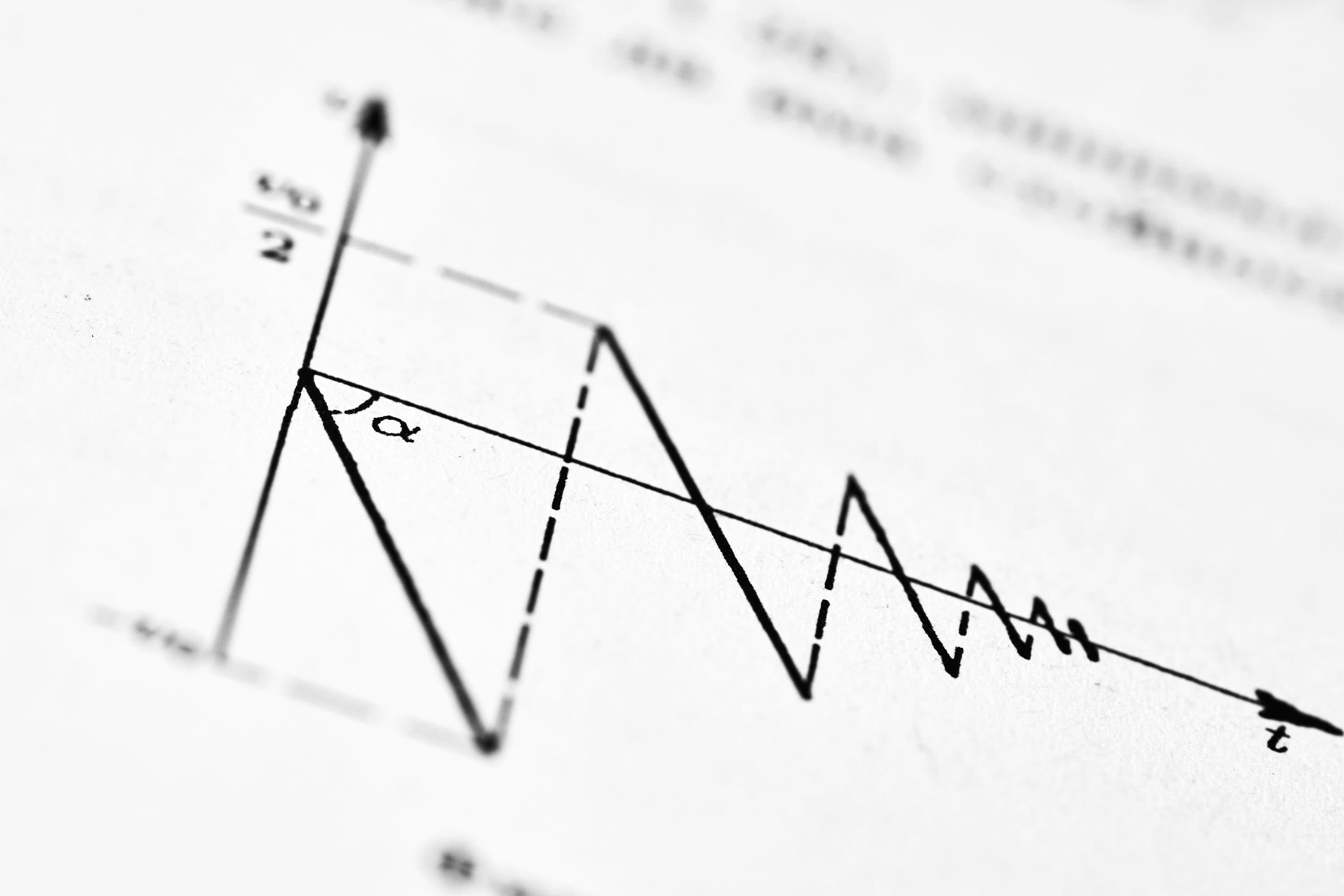
How Condition Analysis Works: Multiple Regression Behind Your Performance Insights
Learn how CortexLab's Condition Analysis uses OLS multiple regression to identify which lifestyle factors impact your cognitive scores — and how to read the results.
Factors That Affect Cognitive Performance: A Science-Backed Guide with Sources
A comprehensive guide to factors affecting cognitive performance — sleep, caffeine, exercise, temperature, CO2, and more — with peer-reviewed sources for every claim.
![Fastest Reaction Times Ever Recorded [Sports, Gaming, Science]](/_next/image?url=%2Fimages%2Fblog%2Ffastest-reaction-times%2Fthumbnail.webp&w=3840&q=75)
Fastest Reaction Times Ever Recorded [Sports, Gaming, Science]
The fastest human reaction times ever recorded in sprinting, F1, baseball, esports, and laboratory research. Learn what makes fast reactors different and how you compare.
ADHD and Working Memory: The Connection Explained
How ADHD affects working memory, why it matters for daily life, and 5 practical strategies to compensate. Includes the latest neuroscience on dopamine, the prefrontal cortex, and the DMN.
Reaction Time Games: Can They Actually Improve Your Speed?
Which games actually improve reaction time? The science behind game-based training, the best game types for speed improvement, and how to measure real progress with CortexLab.
Signs of Slow Processing Speed in Adults (and What to Do)
Signs of slow processing speed in adults, what causes it, and how to improve. Covers ADHD, sleep, lifestyle factors, and objective measurement with CortexLab cognitive tests.
Processing Speed Test: How Fast Does Your Brain Work?
Free online processing speed tests: PVT, DSST, and Task Switching. Understand what processing speed tests measure, how to get accurate results, and benchmarks for healthy adults.
ADHD and Processing Speed: Why It Feels Slow (and What Helps)
Why ADHD causes inconsistent processing speed, the dopamine connection, and practical strategies for managing slow processing. Includes measurement tips with CortexLab PVT and DSST.
What Is a Good Reaction Time? Benchmarks by Age & Activity
Reaction time benchmarks for all ages and activities: gaming, sports, driving. Understand what makes a "good" reaction time, factors that affect your score, and how to test accurately.
Working Memory vs Short-Term Memory: Key Differences Explained
Working memory vs short-term memory: the real difference explained with examples. Covers Baddeley's model, why it matters for testing and training, and how CortexLab measures both.
How to Improve Working Memory: 7 Science-Backed Strategies
Evidence-based strategies to improve working memory: N-back training, exercise, sleep, chunking, meditation, cognitive load reduction, and nutrition. Track progress with CortexLab.

Does Caffeine Improve Reaction Time? What the Research Says
Caffeine improves reaction time by 10-20ms at optimal doses (100-200mg). Optimal timing, tolerance effects, dosing guide, and how to test your personal caffeine response with CortexLab PVT.

Best Tools for Tracking Cognitive Performance Over Time
Compare the best cognitive performance tracking tools: CortexLab, Cambridge Brain Sciences, Lumosity, BrainHQ, and more. Learn what to measure, how to build a tracking habit, and avoid common mistakes.
How Sleep Deprivation Affects Cognitive Performance
Sleep deprivation degrades reaction time, working memory, and decision making. Learn about sleep debt accumulation, the adaptation illusion, recovery timelines, and how to track sleep impact with CortexLab.
Cognitive Performance Test: Measure Your Brain in 5 Minutes
Take a free cognitive performance test that measures reaction time, working memory, processing speed, and more. Track your brain performance over time with CortexLab.
![Reaction Time Test: How Fast Are You? [Free Online Test]](/_next/image?url=%2Fimages%2Fblog%2Freaction-time-test%2Fthumbnail.webp&w=3840&q=75)
Reaction Time Test: How Fast Are You? [Free Online Test]
Test your reaction time in milliseconds with a free PVT-based reaction time test. Average human reaction time is 200–250ms. Measure yours now with CortexLab.

Reaction Time: Everything You Need to Know (Test, Average, Training)
A complete guide to reaction time — what it is, how to test it, average values by age, and proven training methods. Measure your reaction time free with CortexLab.

Cognitive Performance: How to Test, Track & Improve Your Brain
A complete guide to cognitive performance - what it means, how to test it, key factors that affect it, and science-backed ways to improve. Track your brain with CortexLab.
Working Memory: What It Is, How to Test & Improve It
A complete guide to working memory: what it is, how it works, how to test it, and science-backed strategies to improve it. Measure your working memory free with CortexLab.
Average Human Reaction Time by Age: Complete Data Guide
What is the average human reaction time by age? Data from 6-year-olds to 65+, covering peak performance windows, age-related decline, and how lifestyle can offset biology.

How to Improve Reaction Time: 7 Proven Methods
7 science-backed methods to improve your reaction time, from sleep optimization and exercise to caffeine strategy and mindfulness. Track your progress with CortexLab.
What Is Working Memory? A Simple Explanation
What is working memory and why does it matter? A plain-language guide to how your brain holds and manipulates information in real time. Test yours free with CortexLab.
Baddeley's Working Memory Model Explained Simply
Baddeley's working memory model explained in plain language. Learn about the central executive, phonological loop, visuospatial sketchpad, and episodic buffer. Test each component with CortexLab.