Working Memory: What It Is, How to Test & Improve It
 Michelle Liu
What Is Working Memory?
Working memory is the brain's ability to hold information temporarily while simultaneously using it. Think of it as your brain's "mental workspace" or RAM: the place where you keep a phone number in mind while dialing, follow a conversation while formulating your response, or do mental arithmetic.
Working memory is not the same as short-term memory, though the two are often confused. Short-term memory simply stores information for a few seconds. Working memory goes further: it actively manipulates that information. When you rearrange a set of numbers in your head or hold the beginning of a sentence in mind while reading the end, that's working memory at work.
It is one of the most important cognitive functions for daily life, directly impacting reading comprehension, problem-solving, decision-making, and learning efficiency.
How Working Memory Works: Baddeley's Model
The most widely accepted model of working memory was proposed by Alan Baddeley in 1974 (and updated in 2000). It describes working memory as a multi-component system:
The Central Executive
The "boss" of working memory. It directs attention, coordinates information from different sources, and decides what to focus on and what to ignore. It has limited capacity, which is why multitasking degrades performance.
The Phonological Loop
Handles verbal and auditory information. When you repeat a phone number in your head to remember it, you're using the phonological loop. It has two parts: a short-term store (which holds sounds for about 2 seconds) and a rehearsal process (the "inner voice" that refreshes them).
The Visuospatial Sketchpad
Handles visual and spatial information: mental images, object locations, spatial navigation. When you visualize a route to a destination or remember where you parked your car, this component is active. CortexLab's Memory Grid test directly measures visuospatial working memory.
The Episodic Buffer
Added by Baddeley in 2000, the episodic buffer integrates information from the phonological loop, visuospatial sketchpad, and long-term memory into coherent episodes. It's what allows you to combine visual and verbal information into a unified experience.
How strong is your working memory?
Take the free CortexLab test to find out
Working Memory Capacity: The Magic Number

In 1956, George Miller famously proposed that working memory can hold "7 plus or minus 2" items. Modern research, led by Nelson Cowan, has revised this estimate downward to about 4 items (plus or minus 1) for most adults.
This capacity isn't fixed in the sense that some people naturally hold 3 items while others hold 5. But it is remarkably consistent within individuals under stable conditions, which makes it an excellent metric for tracking cognitive state over time.
When your working memory capacity drops (due to sleep deprivation, stress, or fatigue), you'll notice it in daily life: difficulty following conversations, forgetting what you were about to do, needing to re-read paragraphs. Regular testing with CortexLab helps you detect these shifts early.
Why Working Memory Matters

Academic and Professional Performance
Working memory is one of the strongest predictors of academic achievement, rivaling IQ in some studies. Students with higher working memory capacity excel at reading comprehension, mathematical reasoning, and learning new concepts. In the workplace, working memory supports complex decision-making, managing multiple projects simultaneously, and maintaining focus during meetings.
Language and Communication
Following a conversation requires holding the speaker's earlier points in mind while processing new information. Composing a coherent argument requires maintaining your thesis while selecting supporting evidence. Both depend heavily on working memory.
Emotional Regulation
Working memory plays a surprisingly important role in emotional control. The ability to override impulsive reactions, maintain perspective during stressful situations, and reappraise negative experiences all draw on working memory resources. When working memory is depleted (by fatigue or cognitive overload), emotional regulation suffers.
Everyday Life
Cooking a recipe (hold ingredients in mind while executing steps), navigating without GPS (remember turns while driving), shopping without a list (recall items while browsing): working memory is woven into nearly every conscious activity.
How to Test Your Working Memory

Several validated methods exist for measuring working memory:
Digit Span Test
Repeat a sequence of digits forward and backward. Forward span measures short-term memory; backward span measures working memory's manipulation component. Used in the Wechsler Adult Intelligence Scale (WAIS) and widely adopted in clinical settings.
N-Back Task
Identify whether the current stimulus matches the one presented N items ago. The gold standard in research settings, frequently used in brain imaging studies. Difficulty scales with N (1-back is easy; 3-back is challenging).
Memory Grid Test (Visual Pattern Memory)
Memorize a pattern displayed on a grid, then reproduce it after the display disappears. This directly measures visuospatial working memory, the sketchpad component of Baddeley's model. CortexLab uses this approach.
CortexLab's Memory Grid Test
CortexLab's test progressively increases difficulty across 5 levels:
- Level 1 (3x3 grid): Warm-up. Most adults clear this easily
- Level 2 (4x3 grid): Still accessible for most people
- Level 3 (4x4 grid): Average adult performance ceiling
- Level 4 (5x4 grid): Above average. Requires strong visual memory
- Level 5 (5x5 grid): Exceptional. Very high working memory capacity
The test is language-free and culture-fair: it uses visual patterns, so anyone can take it regardless of their native language.
5 Factors That Affect Working Memory
1. Sleep
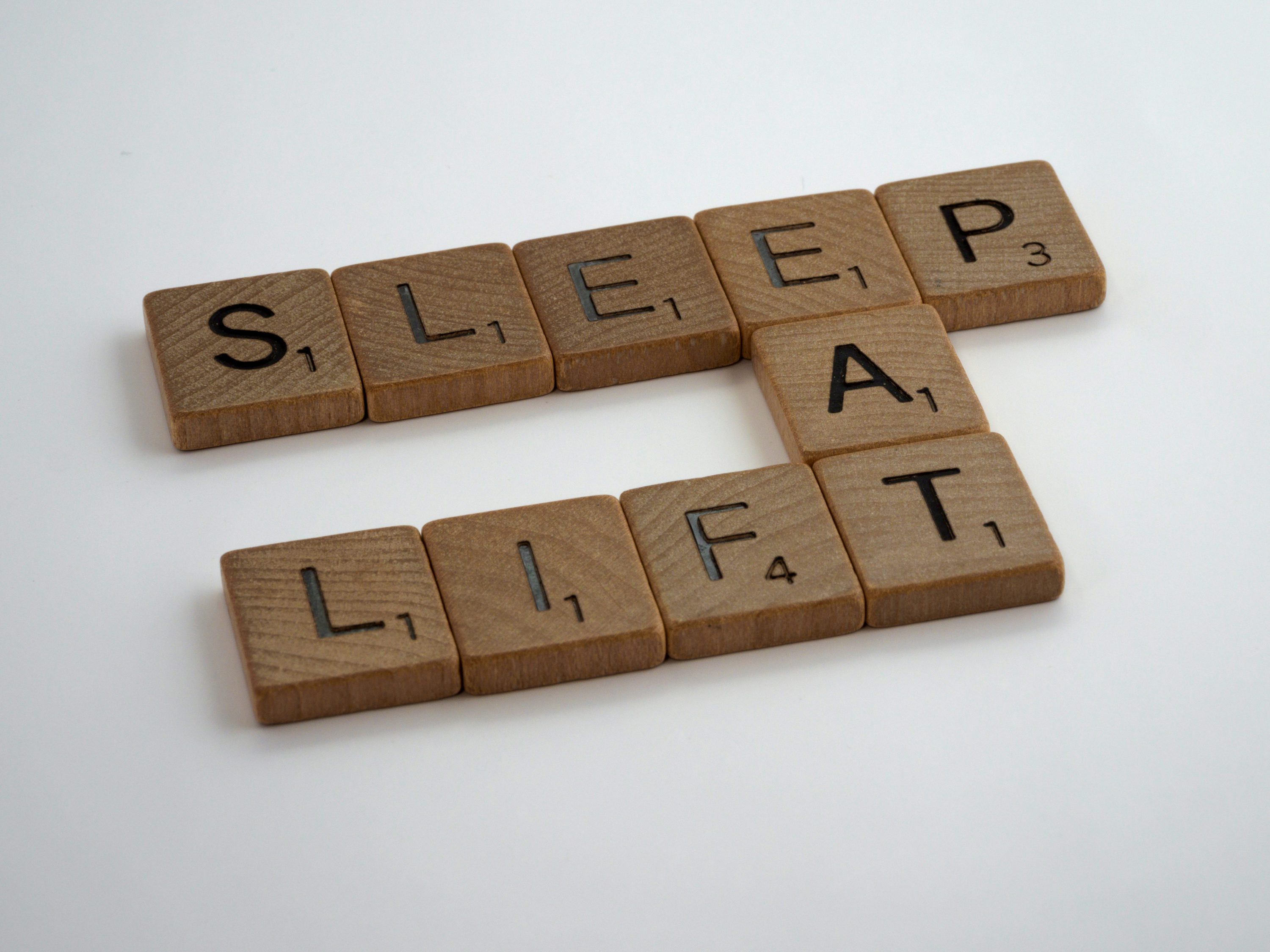
Sleep deprivation is devastating to working memory. Even moderate sleep restriction (6 hours instead of 8) impairs the prefrontal cortex, the brain region most critical for working memory function. The effect is cumulative: chronic short sleep erodes capacity gradually, often without the person noticing.
2. Stress
Chronic stress elevates cortisol levels, which directly impairs prefrontal cortex function. Acute stress (a deadline, an exam) temporarily enhances focus but depletes working memory resources. The result: you can concentrate on one thing but lose the ability to juggle multiple streams of information.
3. Age
Working memory capacity peaks in the early 20s and gradually declines. However, the rate of decline is strongly modulated by lifestyle. Active, socially engaged adults who continue learning new skills show significantly slower decline than sedentary peers.
4. Physical Exercise
Aerobic exercise has been shown to improve working memory across all age groups. The mechanism involves increased prefrontal cortex activation, BDNF-driven neuroplasticity, and improved cerebrovascular function. Even a single bout of moderate exercise (20-30 minutes) temporarily enhances working memory performance.
5. Cognitive Load and Multitasking
Working memory has a hard capacity limit. Every additional task you try to juggle simultaneously reduces the resources available for each one. True multitasking is largely a myth. What actually happens is rapid task-switching, which depletes working memory and increases errors.
How to Improve Your Working Memory

1. Practice with Working Memory Tests
Regular testing is itself a form of training. CortexLab's Memory Grid test exercises your visuospatial working memory with each session. Taking it 2-3 times per week builds capacity over time, and tracking scores lets you see your progress objectively.
2. Prioritize Sleep
7-9 hours of quality sleep is the single most impactful thing you can do for working memory. Sleep is when the brain consolidates information and clears metabolic waste. No amount of training compensates for chronic sleep deprivation.
3. Exercise Regularly
150+ minutes of aerobic exercise per week improves working memory through increased prefrontal cortex activation and BDNF release. Walking, jogging, cycling, and swimming are all effective.
4. Reduce Cognitive Overload
External aids like to-do lists, note-taking apps, and calendar reminders free up working memory for tasks that actually require it. Don't waste precious cognitive bandwidth trying to remember appointments or grocery items. Offload routine information; reserve working memory for thinking.
5. Practice Mindfulness Meditation
Multiple studies show that 8 weeks of regular mindfulness meditation improves working memory capacity. The likely mechanism: meditation trains attentional control, which is the central executive component of working memory. Even 10 minutes per day produces measurable effects.
6. Use Chunking Strategies
Chunking, or grouping individual items into larger meaningful units, effectively multiplies working memory capacity. Instead of remembering 10 individual digits, group them into 3-4 chunks (like a phone number: 090-1234-5678). This technique works for any type of information.
Working Memory and ADHD

Working memory deficits are a core feature of ADHD. Research consistently shows that individuals with ADHD have reduced working memory capacity compared to neurotypical peers, particularly in the visuospatial domain.
This has practical implications: difficulty following multi-step instructions, problems with time management, and challenges with tasks that require holding information in mind while executing actions. Importantly, working memory training has shown promise as a complementary intervention alongside medication and behavioral strategies.
If you suspect working memory difficulties, regular objective testing with CortexLab can provide valuable data for self-understanding and, if appropriate, for discussions with healthcare professionals.
Working Memory vs. Short-Term Memory
These terms are often used interchangeably, but they describe different functions:
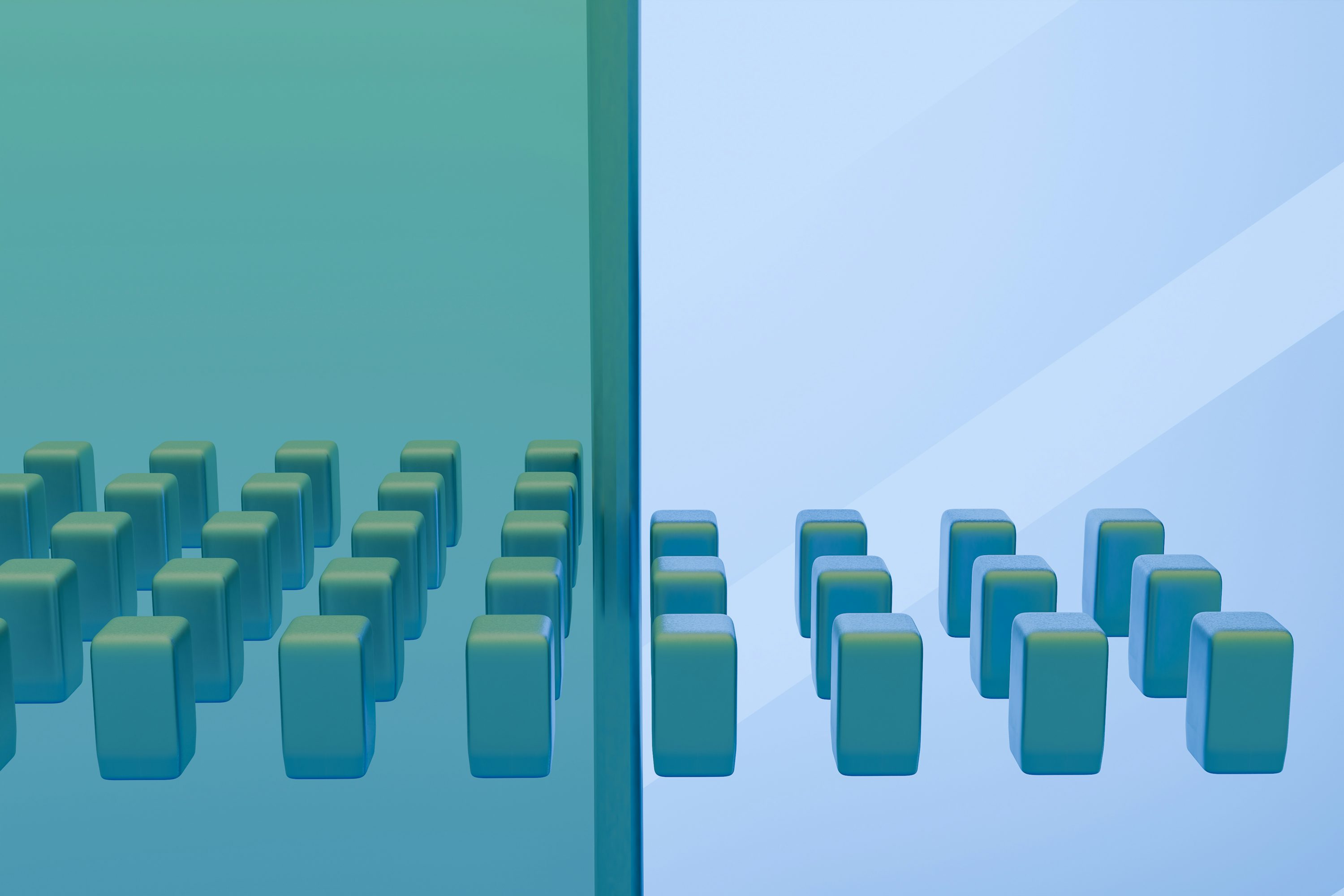
- Short-term memory: Passive storage. Holding a phone number for a few seconds without doing anything with it
- Working memory: Active processing. Holding that phone number while rearranging the digits, comparing it to another number, or using it to make a calculation
Working memory includes short-term memory as a component but adds the crucial element of manipulation and control. It's the difference between a shelf (storage) and a workbench (storage plus tools).
CortexLab's Complete Cognitive Battery

Working memory is one of five cognitive domains measured by CortexLab's test battery. Taking all five tests gives you a comprehensive picture of brain function:
- PVT (Reaction Time Test): Alertness and sustained attention
- DSST (Processing Speed): Information encoding speed
- Memory Grid (Working Memory): Visuospatial working memory capacity
- Pattern Recognition: Fluid intelligence and logical reasoning
- Task Switching: Cognitive flexibility and executive control
Create a free account to save all results to the cloud, track trends over time, and discover which lifestyle factors most affect your cognitive performance.
Working memory is the foundation of thinking. It shapes how you learn, work, communicate, and make decisions. The first step to strengthening it is knowing where you stand. Take CortexLab's free Memory Grid test and measure your working memory today.
Share this article

Michelle Liu
Developer & Cognitive Performance Researcher at CortexLab
Software engineer bridging cognitive science and technology. Focused on building scientifically-grounded brain performance measurement tools.