Reaction Time: Everything You Need to Know (Test, Average, Training)
 Michelle Liu
What Is Reaction Time? A Mirror of Brain Performance
Reaction time is the interval between perceiving a stimulus — light, sound, touch — and initiating a physical response. It is typically measured in milliseconds (ms), and the average human reaction time is roughly 200-250ms.
What most people call "fast reflexes" is, in scientific terms, fast reaction time. But reaction time is far more than a simple reflex. Between stimulus and response, your brain executes three rapid steps:
- Perception: Your eyes or ears detect the stimulus and send electrical signals to the brain
- Cognition and Decision: The brain interprets what happened and selects the appropriate response
- Motor Command: The brain sends a "move" signal to the muscles, and the body acts
In other words, reaction time reflects your brain's overall information-processing power. Sleep deprivation, fatigue, stress, and aging all affect this pipeline, which is why regularly measuring your reaction time gives you an objective window into your brain's condition.
Average Human Reaction Time by Age
Reaction time changes significantly across the lifespan. Aggregating data from multiple studies reveals the following general trends:
- Late teens to early 20s: Peak speed. Average 190-220ms
- Late 20s to 30s: Slightly past peak but still strong. Average 220-240ms
- 40s to 50s: Gradual decline. Average 240-270ms
- 60s and beyond: Noticeable slowing. Average 270-350ms
These are population averages. Individual variation is enormous - an active 60-year-old who exercises regularly can easily outperform a sleep-deprived 25-year-old.
What matters isn't how you compare to others, but tracking your own numbers over time. CortexLab automatically saves every test result and displays trends on a graph, so you can see exactly how your reaction time evolves.
How fast is your reaction time?
Take the free CortexLab test to find out
How to Measure Reaction Time - The Scientific Way
Accurate reaction time measurement requires a scientifically validated methodology. Many online tests that simply say "click when the color changes" are too simplistic and introduce significant noise.
PVT (Psychomotor Vigilance Task) - The Gold Standard
The PVT was developed at Harvard Medical School and adopted by NASA to monitor astronaut alertness aboard the International Space Station. Stimuli appear at random intervals, making anticipatory responses impossible. Its strengths:
- Minimal learning effect: Scores don't inflate with repeated use
- High test-retest reliability: Consistent results under stable conditions
- High sensitivity: Detects even subtle effects of sleep loss or caffeine
CortexLab's reaction time test is built on the PVT. In 90 seconds, it measures your median reaction time, stability, and attention lapses.
Simple vs. Choice Reaction Time
There are two main categories of reaction time tests:
- Simple Reaction Time (SRT): One stimulus, one response. Average around 200ms. The PVT uses this approach
- Choice Reaction Time (CRT): Multiple stimuli require different responses. Average 300-400ms. Involves higher-level cognitive processing
CortexLab offers PVT (simple reaction) alongside DSST (processing speed) and Task Switching (cognitive flexibility) tests, providing a multi-dimensional view of brain performance.
5 Factors That Affect Your Reaction Time
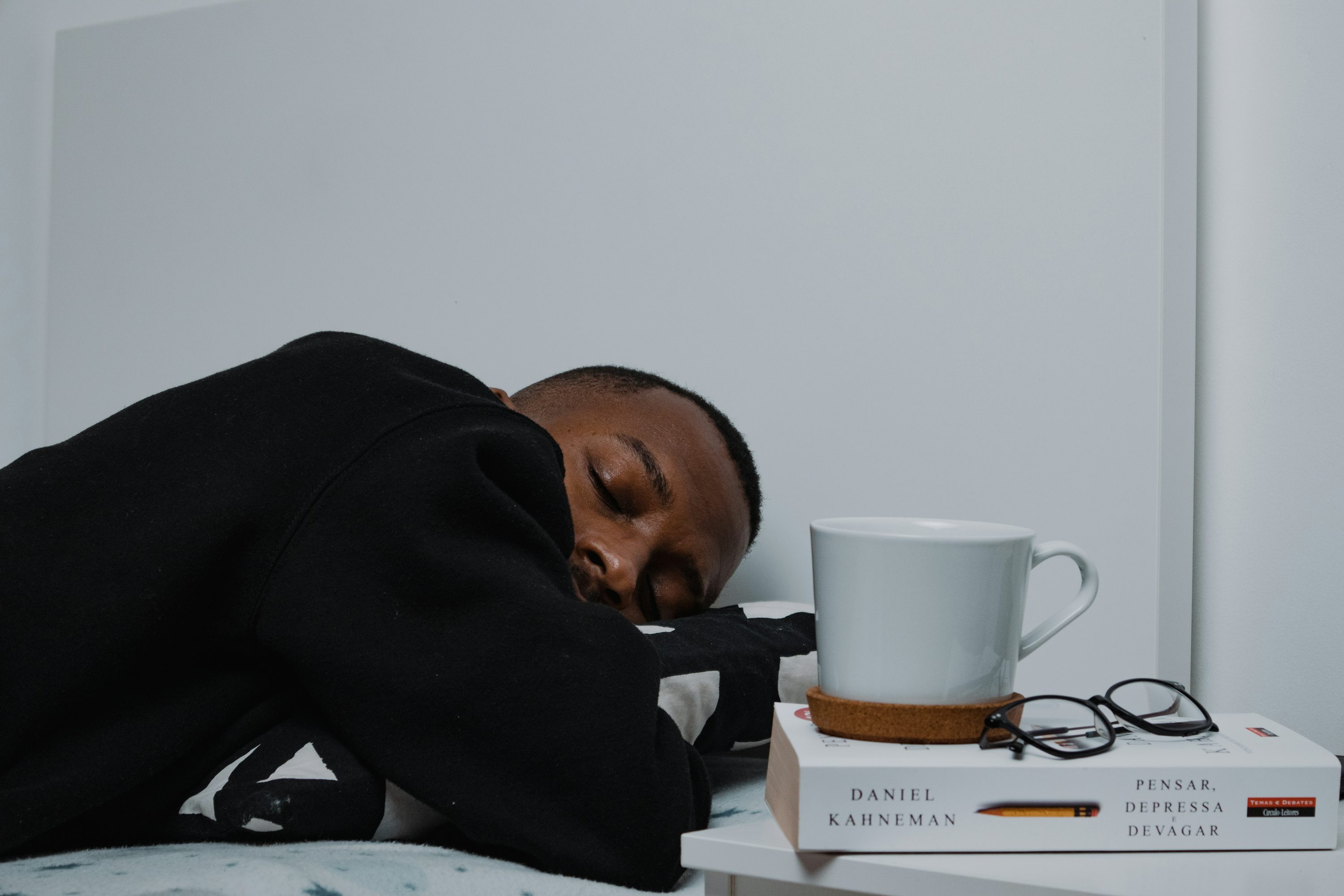
Reaction time isn't a fixed trait - it fluctuates daily based on multiple factors. Understanding what impacts your performance is the first step toward improvement.
1. Sleep
Sleep exerts the strongest influence on reaction time. A landmark Australian study found that 17-19 hours of wakefulness impairs reaction time to the same degree as a blood alcohol concentration of 0.05%, the legal driving limit in many countries (Williamson and Feyer, 2000). After 24 hours without sleep, impairment matches 0.10% BAC.
The flip side: simply getting enough sleep can dramatically improve your numbers. CortexLab lets you log sleep hours alongside your tests, so you can see the correlation in your own data.
2. Caffeine
Caffeine blocks adenosine receptors, maintaining wakefulness and improving reaction time by an average of 10-20ms, as shown in multiple meta-analyses. However, habitual users develop tolerance, so strategic consumption matters. A reasonable target is 200-400mg per day (2-4 cups of coffee).
3. Exercise
Regular aerobic exercise increases cerebral blood flow and promotes BDNF (brain-derived neurotrophic factor) release, improving neural transmission efficiency. People who maintain 150+ minutes of moderate exercise per week show significantly faster reaction times than sedentary controls.
4. Stress and Fatigue
Acute stress (a sudden deadline, a starting gun) activates the sympathetic nervous system and can slightly speed up reactions. But chronic stress and mental fatigue impair prefrontal cortex function and significantly slow reaction time.
5. Age
Age-related decline in neural transmission speed is inevitable, but the rate is heavily influenced by lifestyle. Physically active older adults show reaction times 20-30ms faster than their sedentary peers of the same age.
How to Improve Your Reaction Time - Evidence-Based Methods
Reaction time can be trained and improved. Here are the methods with the strongest scientific support:
Make Regular Testing a Habit
The simplest and most effective method: take a PVT test 2-3 times per week. The test itself serves as training, and having numerical data lets you objectively track the effects of other interventions (sleep, exercise, etc.).
CortexLab's PVT test takes 90 seconds. Building it into your morning routine is an easy win. With an account, all results are saved to the cloud for long-term tracking.
Add Aerobic Exercise
Walking, jogging, swimming - 3 or more sessions per week improves cerebral blood flow and reaction speed. There's also an "acute effect": reaction time temporarily improves right after exercise.
Optimize Sleep Quality and Duration
7-9 hours of quality sleep is the single most important factor for maintaining optimal reaction time. Fix your bed and wake times, and optimize your bedroom temperature and lighting.
Play Sports or Fast-Paced Games
Table tennis, badminton, competitive video games - any activity that demands quick reactions is excellent training. Pro gamers average around 150ms precisely because of daily repetitive practice.
Try Meditation and Mindfulness
An 8-week mindfulness meditation program has been shown to improve reaction time in participants. Enhanced attentional control is the likely mechanism - better focus leads to faster stimulus detection.
Reaction Time in Sports and Gaming
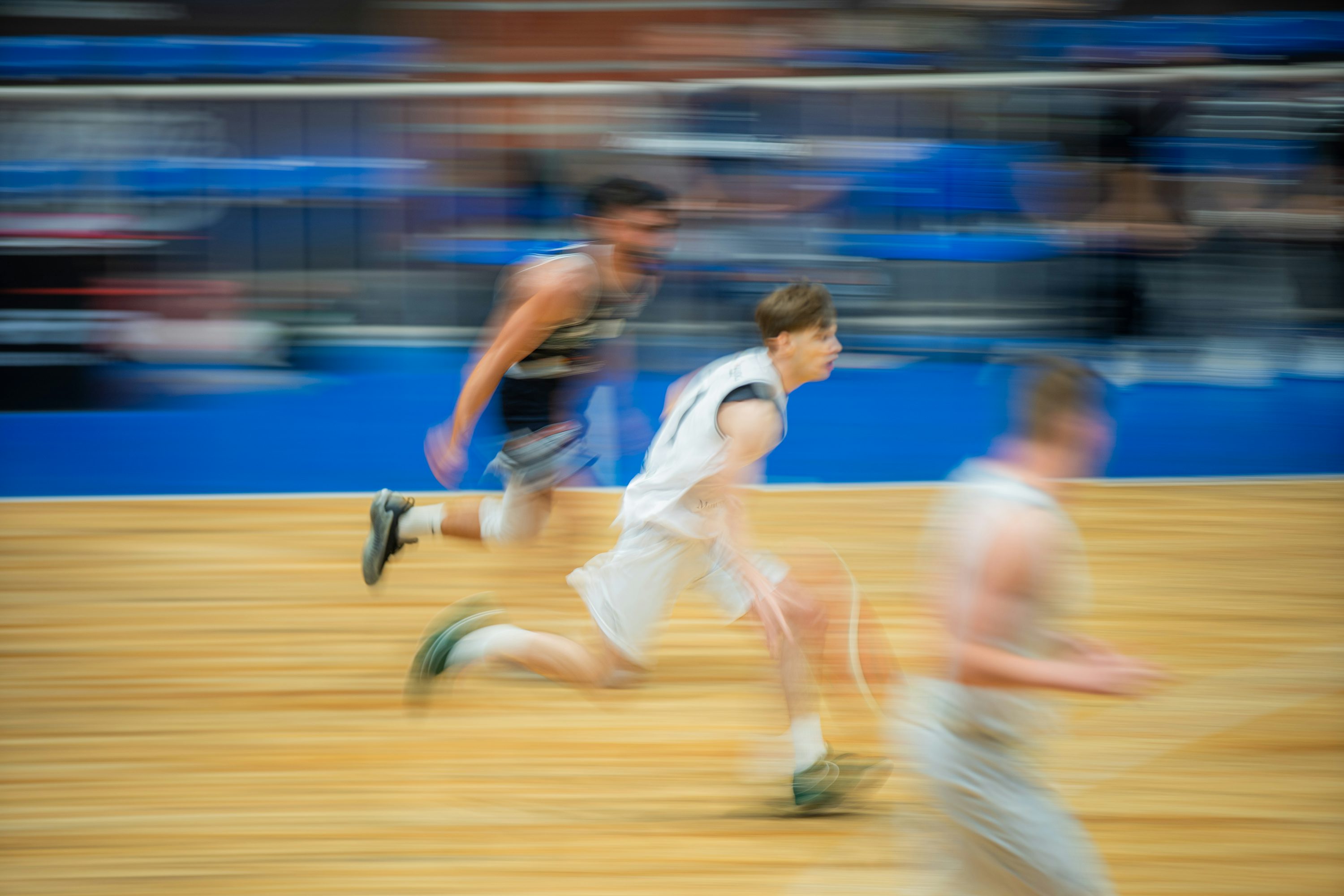
Reaction time directly impacts competitive performance across many fields:
- Esports: Enemy detection to trigger pull in FPS games; frame-perfect reactions in fighting games. Pros target sub-150ms
- Motorsport: F1 drivers average under 200ms at race starts. Hundredths of a second decide outcomes
- Ball sports: Baseball batting (about 150ms from pitch recognition to swing initiation), table tennis rallies, tennis returns
- Combat sports: Perceiving opponent movement and executing defense or counter
- Everyday life: Emergency braking while driving, avoiding obstacles while walking
CortexLab's test lets you see exactly where your reaction time stands relative to these benchmarks.
Reaction Time and Other Cognitive Functions
Reaction time doesn't operate in isolation - it's tightly linked to other cognitive abilities:
- Cognitive performance: Reaction time is one component of overall cognitive function. Faster reaction time correlates with higher general cognitive scores
- Working memory: The ability to hold and manipulate information. People with faster choice reaction times tend to have larger working memory capacity
- Sustained attention: When sustained attention drops, reaction time variability (lapses) increases
- Processing speed: How quickly the brain encodes new information. Measured by the DSST test
These abilities interact and together form your overall "brain performance." CortexLab's battery of 5 tests measures all of them, providing a comprehensive cognitive profile.
Why Is My Reaction Time Slow? Common Causes

If your reaction time feels sluggish, check these common culprits:
- Are you sleeping enough? Has your average sleep been below 7 hours over the past 3 days?
- Chronic stress? Mental health directly impacts reaction time
- Sedentary lifestyle? Desk-bound work reduces cerebral blood flow
- Dehydrated? Even 2% dehydration impairs cognitive performance
- Too much screen time? Digital fatigue degrades attention and reaction speed
CortexLab lets you log conditions (sleep, caffeine, exercise) before each test, so you can analyze which factors are actually affecting your reaction time.
Start Measuring - Make Your Brain's Condition Visible
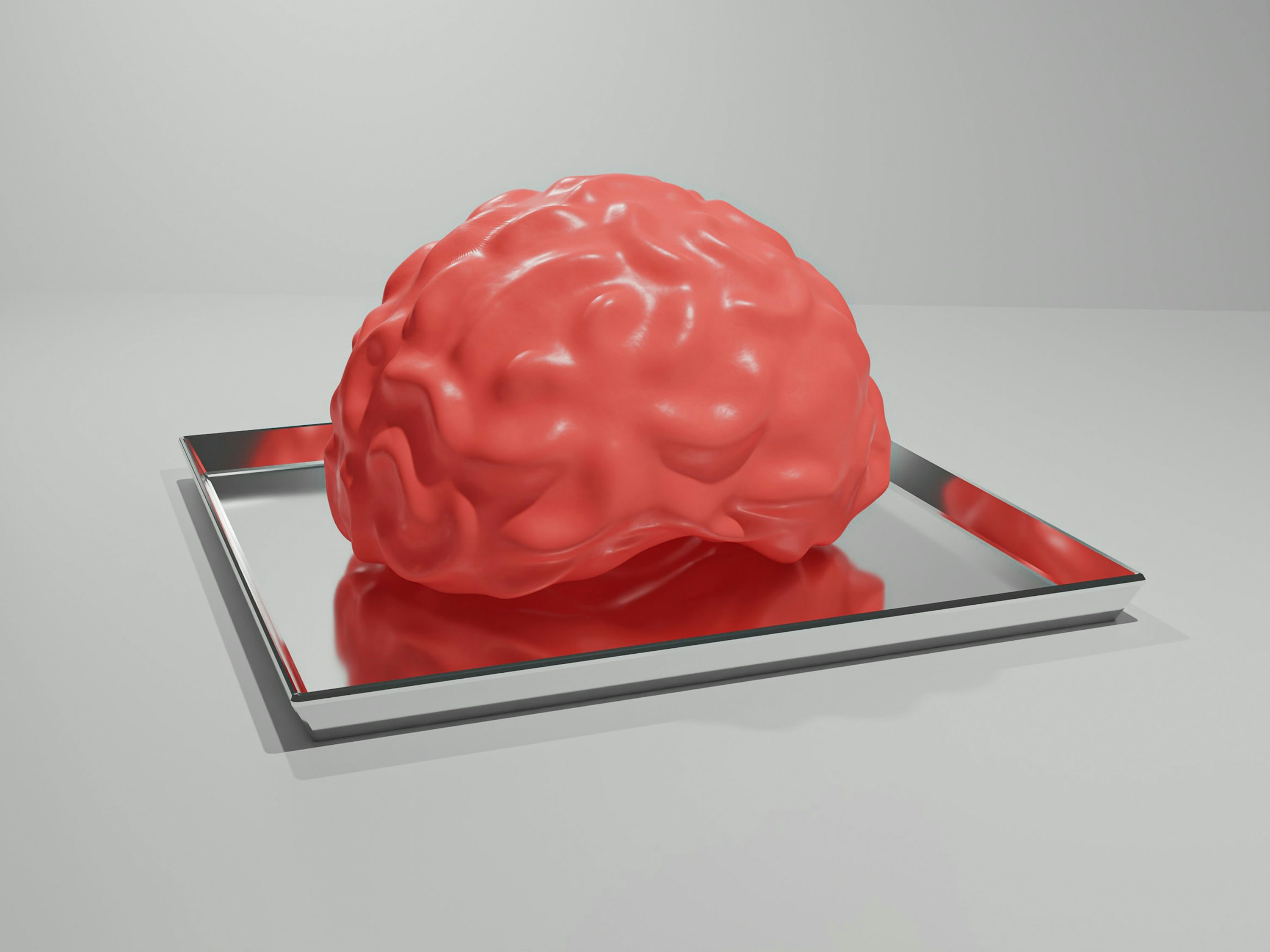
Reaction time is one of the simplest and most reliable indicators of brain health and performance. Because it fluctuates with daily conditions, regular measurement and tracking is where the real value lies.
With CortexLab, you can measure your reaction time in just 90 seconds using a PVT-based test trusted by NASA. Plus:
- Results are automatically saved and graphed over time
- Correlation analysis between your conditions and reaction time
- 5 cognitive tests in total: reaction time, working memory, processing speed, pattern recognition, and task switching
Reaction time isn't about talent - it's an ability shaped by lifestyle and training. Start by knowing your numbers today.
Share this article

Michelle Liu
Developer & Cognitive Performance Researcher at CortexLab
Software engineer bridging cognitive science and technology. Focused on building scientifically-grounded brain performance measurement tools.
![Reaction Time Test: How Fast Are You? [Free Online Test]](/_next/image?url=%2Fimages%2Fblog%2Freaction-time-test%2Fthumbnail.webp&w=3840&q=75)