How to Improve Reaction Time: 7 Proven Methods
 Michelle Liu
Can You Actually Improve Your Reaction Time?
The short answer: yes. While your genetic ceiling for reaction time is fixed, most people operate well below their potential. Sleep deprivation, poor fitness, chronic stress, and suboptimal nutrition all slow your reactions. Addressing these factors can yield improvements of 20-50ms or more.
This article covers 7 proven methods to improve your reaction time, ranked by strength of scientific evidence and practical impact.
Method 1: Fix Your Sleep (Biggest Impact)
Sleep is the single most powerful lever for reaction time improvement. The evidence is overwhelming:
- One night of 4-hour sleep increases reaction time by 30-50ms on average and quadruples the number of attention lapses
- Chronic 6-hour sleep produces cognitive impairment equivalent to two full nights of total sleep deprivation (Van Dongen et al., 2003)
- Recovery requires multiple nights of adequate sleep. One "catch-up" night is not enough to reverse accumulated sleep debt
The PVT (Psychomotor Vigilance Task) was specifically designed to detect sleep-related impairment, making it the ideal tool for monitoring your sleep's impact on reaction time.
Action Steps
- Target 7-9 hours per night consistently, not just on weekends
- Fix your wake time first: a consistent wake time is more important than a consistent bedtime for circadian regulation
- Eliminate screens 60 minutes before bed: blue light suppresses melatonin and delays sleep onset
- Track your reaction time daily with CortexLab's PVT and compare against your logged sleep hours to find your personal optimal sleep duration
Track your improvement with data
Take the free CortexLab reaction time test
Method 2: Aerobic Exercise (Acute + Chronic Benefits)
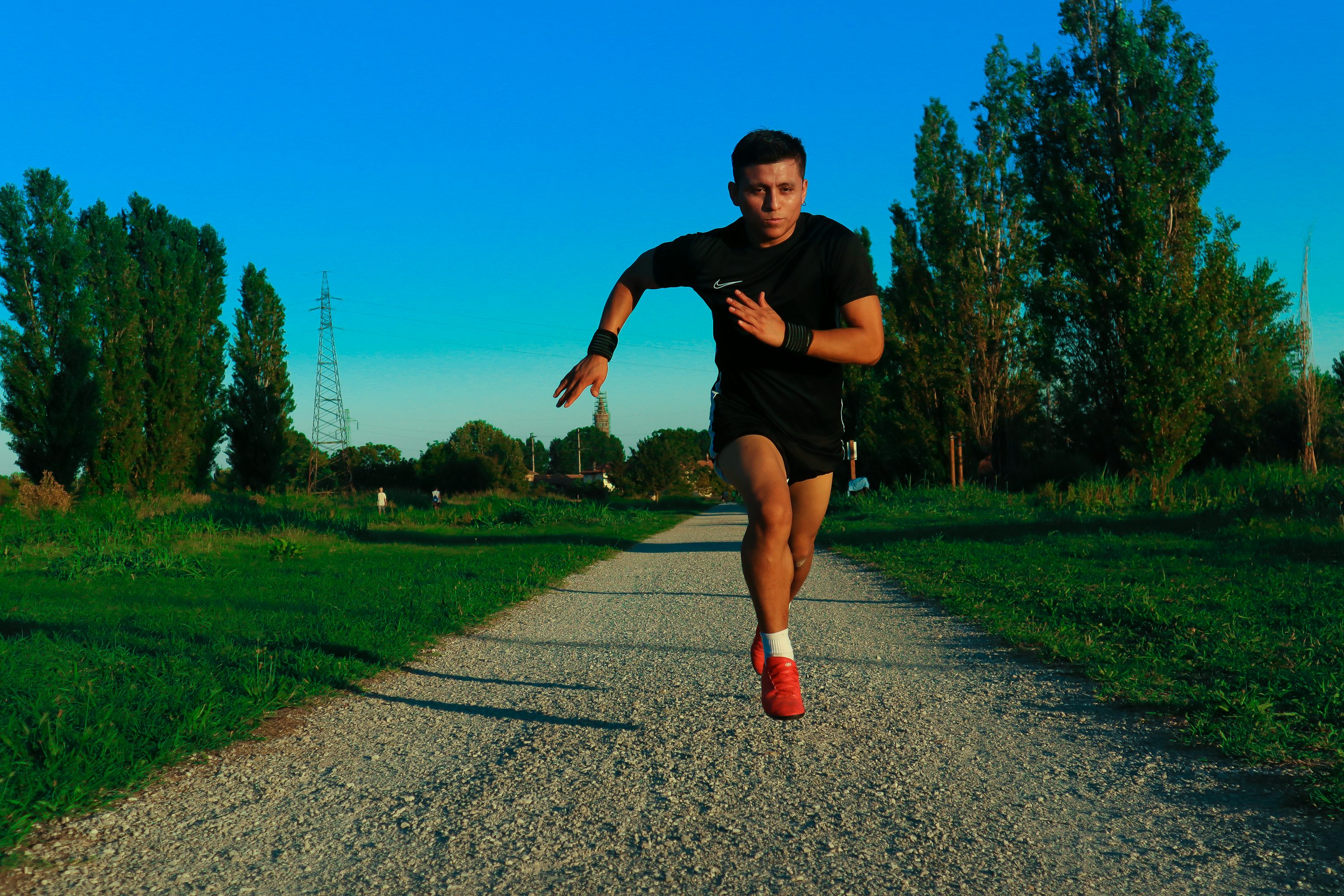
Exercise improves reaction time through two distinct mechanisms:
Acute Effect (Immediate)
A single bout of 20-30 minutes of moderate aerobic exercise (brisk walking, jogging, cycling) temporarily boosts reaction time for 1-2 hours afterward. The mechanism: increased cerebral blood flow, elevated norepinephrine, and enhanced neural excitability.
Chronic Effect (Long-term)
Regular exercise over weeks and months produces structural brain changes: increased BDNF production, improved white matter integrity, better cerebrovascular function. A 2016 meta-analysis found that physically active adults have significantly faster reaction times than sedentary controls, with the effect increasing with age.
Action Steps
- 150+ minutes of moderate aerobic exercise per week (WHO recommendation for cognitive health)
- Time your sessions strategically: exercise 1-2 hours before tasks requiring peak reaction time
- Combine cardio and coordination: sports like table tennis, badminton, or boxing train both cardiovascular fitness and reactive speed
Method 3: Strategic Caffeine Use
Caffeine is the world's most researched cognitive enhancer, and its effect on reaction time is well-documented: a typical dose improves reaction time by 10-20ms and reduces attention lapses.
The mechanism: caffeine blocks adenosine receptors, preventing the "drowsiness signal" from reaching the brain. This maintains alertness and speeds neural processing.
Action Steps
- 200-400mg per day (2-4 cups of coffee) is the optimal range for most adults
- Time your intake 30-60 minutes before peak performance needs: caffeine reaches peak blood levels at this point
- Avoid after 2 PM: caffeine's half-life is 5-6 hours. Afternoon caffeine degrades sleep quality, which hurts tomorrow's reaction time more than today's caffeine helps
- Consider tolerance cycling: regular users develop tolerance. Periodic 1-2 week caffeine breaks can restore sensitivity
Method 4: Regular PVT Practice
The PVT itself functions as reaction time training. Regular practice strengthens the neural circuits responsible for sustained attention and rapid motor response.
Importantly, the PVT has a very small learning effect compared to other cognitive tests. This means improvements in your PVT scores genuinely reflect improvements in your underlying reaction time, not just familiarity with the test.
Action Steps
- Take the CortexLab PVT 2-3 times per week
- Test at the same time each day for comparable results
- Log conditions before each test: sleep, caffeine, exercise, stress. This data helps you identify your personal performance drivers
- Focus on reducing lapses, not just improving median speed. Fewer lapses indicates better sustained attention
Method 5: Sport-Specific Reactive Training
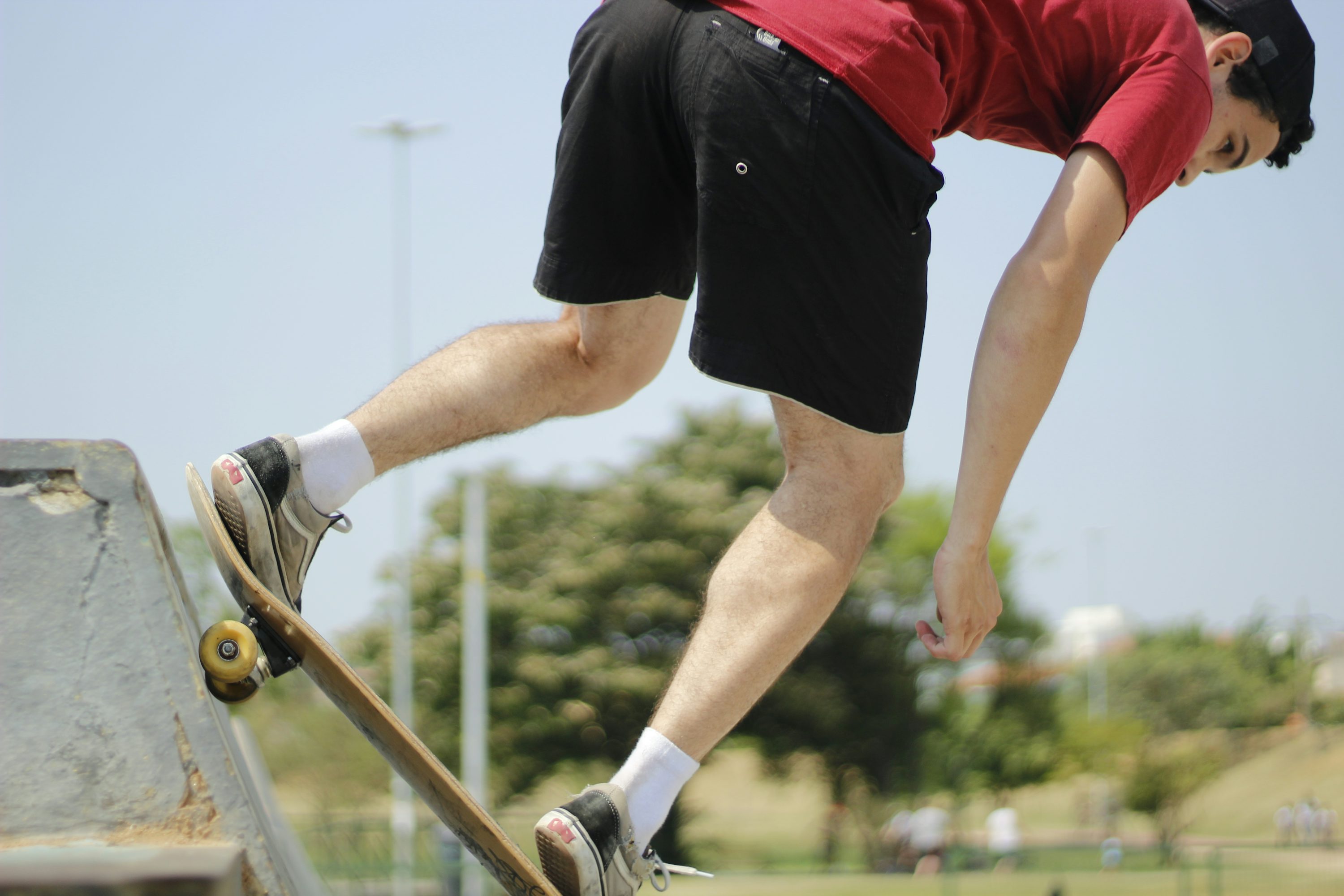
Activities that demand rapid reactions to unpredictable stimuli train your brain's stimulus-response pathway in ways that transfer to general reaction time.
Best Activities for Reaction Time
- Table tennis: extremely fast rallies with unpredictable spin and direction. Widely cited in research as effective for reaction training
- Competitive video games: FPS and fighting games require sub-200ms responses. Pro gamers consistently test at 150-180ms
- Boxing/martial arts: reacting to opponent movement under time pressure. Dual benefit of cardiovascular exercise
- Badminton: shuttlecock speeds exceed 400km/h in competitive play, demanding extremely fast visual-motor responses
Action Steps
- Choose an activity you enjoy. Consistency matters more than which activity you pick
- Aim for 2-3 sessions per week
- Track your CortexLab reaction time scores to measure whether your training is transferring to general improvement
Method 6: Optimize Nutrition
Your brain needs the right fuel to fire at maximum speed:
Hydration
Even 2% dehydration impairs reaction time and attention. Most people don't drink enough water, especially in air-conditioned environments where thirst signals are suppressed.
Omega-3 Fatty Acids
DHA (found in fatty fish, walnuts, flaxseed) is a major structural component of brain cell membranes. Adequate intake supports neural transmission speed. Target: 2-3 servings of fatty fish per week, or a quality supplement.
Creatine
Emerging research suggests creatine supplementation (3-5g daily) may improve reaction time and cognitive performance, particularly under conditions of sleep deprivation or cognitive stress. The mechanism: creatine supports ATP recycling in the brain, maintaining energy availability for rapid neural firing.
Action Steps
- Drink water proactively throughout the day (don't wait until you're thirsty)
- Include omega-3-rich foods in your regular diet
- Avoid blood sugar spikes from high-GI foods, which cause post-meal cognitive dips
Method 7: Mindfulness Meditation

Mindfulness meditation trains attentional control, which is the cognitive foundation of fast, consistent reaction time. Multiple studies show that regular meditation practice:
- Reduces reaction time variability (more consistent responses)
- Decreases attention lapses
- Improves sustained attention over longer time periods
An 8-week mindfulness program has been shown to produce measurable improvements in attention and reaction time, with changes visible on fMRI scans of the prefrontal cortex and anterior cingulate cortex.
Action Steps
- Start with 10 minutes daily: focus on breath, notice when attention wanders, gently redirect
- The "redirect" is the exercise: each time you notice your mind wandering and bring it back, you're strengthening attentional control
- 8 weeks of consistent practice is the threshold used in most research showing significant effects
Putting It All Together: A Weekly Plan
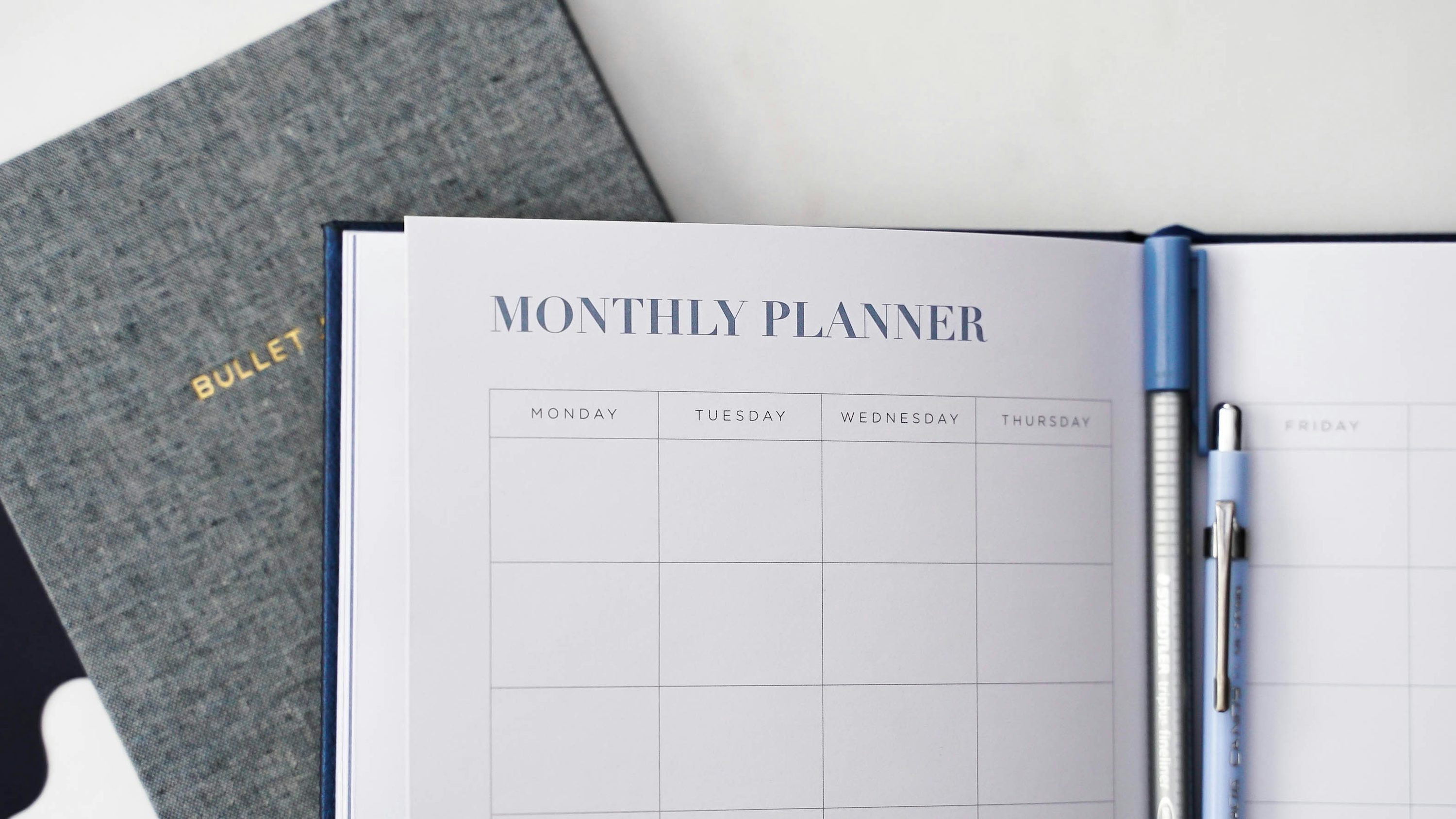
Here's how to combine these methods into a practical routine:
Daily
- 7-9 hours of sleep (non-negotiable foundation)
- Adequate hydration throughout the day
- Strategic caffeine use (morning only)
- 10 minutes of mindfulness meditation
3x Per Week
- CortexLab PVT test with condition logging
- 30+ minutes of aerobic exercise or reactive sport
Weekly
- Review your CortexLab trend data to identify which factors most impact your performance
- Adjust one variable at a time to isolate effects
Track Your Progress
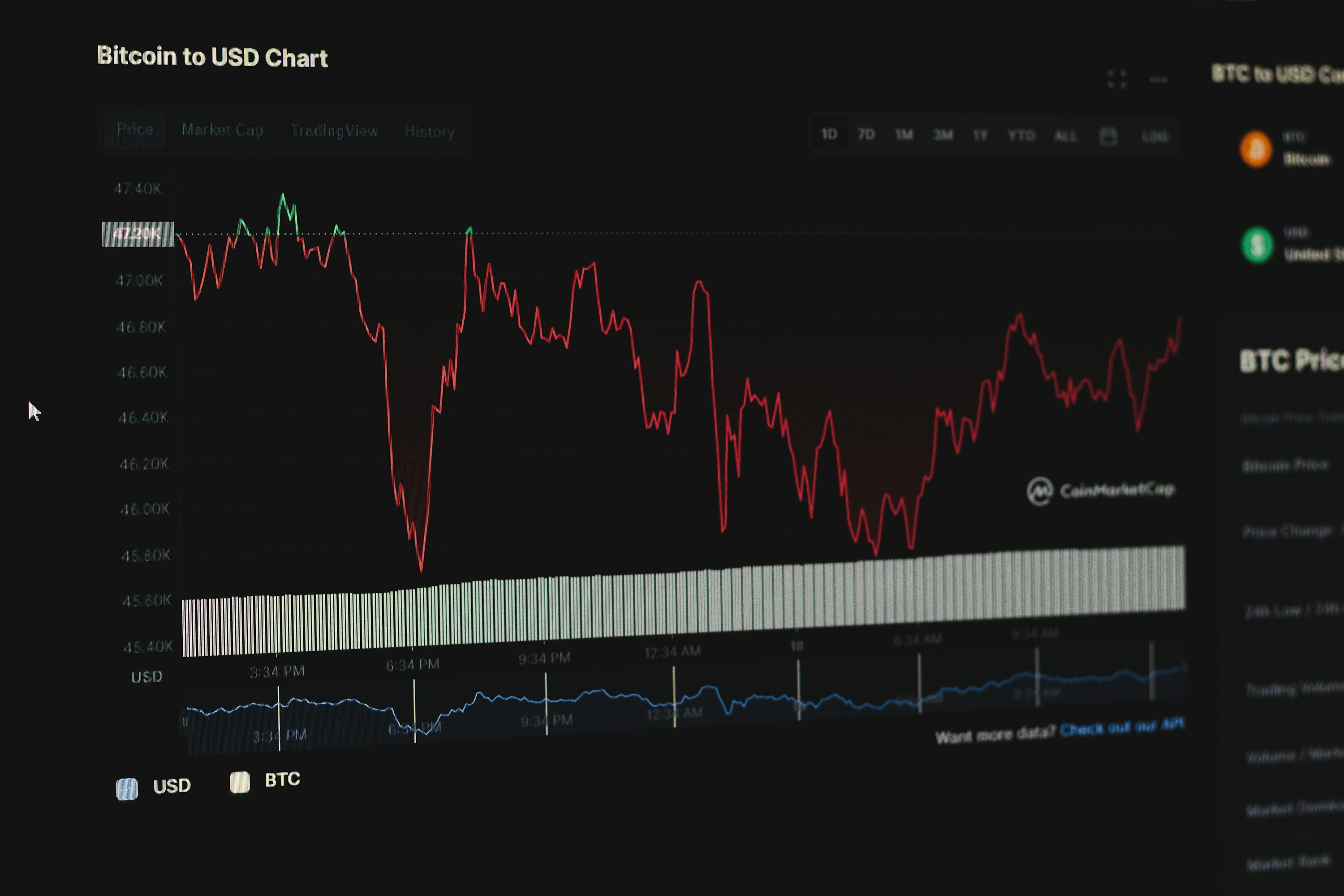
Improvement without measurement is guesswork. CortexLab gives you the tools to turn reaction time training into a data-driven practice:
- Automated result storage: every test saved to the cloud
- Trend visualization: see your reaction time change over days, weeks, months
- Condition correlation: discover your personal performance drivers
- Lapse tracking: monitor attention quality alongside raw speed
Reaction time improvement isn't about one magic trick. It's the compound effect of sleep, exercise, nutrition, practice, and attention training working together over time. Start with sleep, add exercise, and use CortexLab to measure everything. Your brain will respond.
Share this article

Michelle Liu
Developer & Cognitive Performance Researcher at CortexLab
Software engineer bridging cognitive science and technology. Focused on building scientifically-grounded brain performance measurement tools.

![Reaction Time Test: How Fast Are You? [Free Online Test]](/_next/image?url=%2Fimages%2Fblog%2Freaction-time-test%2Fthumbnail.webp&w=3840&q=75)