Average Human Reaction Time by Age: Complete Data Guide
 Michelle Liu
How Fast Should You Be? Reaction Time by the Numbers
Everyone wants to know: "Is my reaction time fast or slow?" But the answer depends heavily on one factor most people overlook: age.
Reaction time follows a predictable trajectory across the human lifespan. It improves rapidly through childhood, peaks in the early 20s, and gradually declines from the 30s onward. Understanding where you fall on this curve helps you set realistic expectations, track changes, and take action before decline accelerates.
This article compiles data from multiple peer-reviewed studies to give you a comprehensive picture of average human reaction time by age.
Average Reaction Time by Age Group

The following data represents simple visual reaction time (responding to a single stimulus) based on aggregated research findings:
Children (6-12 years)
Average: 300-450ms
Children's reaction times are relatively slow due to ongoing neural development. The prefrontal cortex and myelination of neural pathways are still maturing. Reaction time improves dramatically year by year during this period, roughly 20-30ms faster each year.
Teenagers (13-17 years)
Average: 220-280ms
A rapid improvement phase. Neural pathways are becoming increasingly myelinated, and the prefrontal cortex is approaching adult-level function. By late teens, many individuals are approaching their lifetime peak.
Young Adults (18-25 years)
Average: 190-220ms
This is the peak performance window for reaction time. Neural transmission speed is at its maximum, and the prefrontal cortex is fully developed (around age 25). Professional esports athletes and competitive gamers typically fall in this age range, with elite performers hitting 150-180ms consistently.
Adults (26-35 years)
Average: 220-240ms
A slight decline begins, but it's often imperceptible in daily life. At this stage, lifestyle factors (sleep, exercise, stress management) start to matter more than raw neural speed. Well-maintained adults in this range can still perform at or near peak levels.
Middle-Aged Adults (36-50 years)
Average: 240-270ms
The decline becomes more noticeable. Processing speed slows as myelination quality decreases and neural transmission becomes less efficient. However, research shows that physically active individuals in this group perform 20-30ms faster than sedentary peers.
Older Adults (51-65 years)
Average: 270-320ms
The decline accelerates. Neurotransmitter levels (particularly dopamine) decrease, and age-related changes in white matter integrity affect signal speed. Reaction time variability also increases, meaning consistency drops alongside raw speed.
Seniors (65+ years)
Average: 320-450ms
Significant slowing is common, but the range is very wide. Active seniors who exercise regularly, maintain social engagement, and continue learning new skills can perform closer to the 320ms end, while sedentary individuals may exceed 400ms.
Where do you rank for your age?
Take the free CortexLab reaction time test
What Causes Reaction Time to Change with Age?

Several biological mechanisms drive the age-related trajectory of reaction time:
Myelination
Myelin is the insulating sheath around nerve fibers that speeds up electrical signal transmission. Myelination peaks in the early 20s and gradually degrades with age. This is the primary reason processing speed slows over time.
Neurotransmitter Levels
Dopamine, the neurotransmitter most closely linked to motor control and response initiation, declines at a rate of approximately 10% per decade after age 20. This directly impacts how quickly the brain can generate a motor command.
Prefrontal Cortex Function
The prefrontal cortex, responsible for attention and decision-making, is among the first brain regions to show age-related volume loss. This affects not just speed but also the ability to maintain consistent attention during tasks.
Sensory Processing
Vision and hearing both decline with age, adding milliseconds to the perception phase of reaction time. A stimulus that takes 30ms to detect at age 20 might take 50ms at age 60.
The Good News: Lifestyle Beats Biology

While age-related decline is inevitable, its speed and severity are remarkably controllable. Research consistently shows that lifestyle factors can offset decades of biological aging:
Exercise
A 2016 meta-analysis in the journal Neuroscience & Biobehavioral Reviews found that regular aerobic exercise is associated with significantly faster reaction times across all age groups. Active 60-year-olds regularly outperform sedentary 40-year-olds.
Sleep
Chronic sleep deprivation accelerates cognitive aging. Conversely, maintaining 7-9 hours of quality sleep can preserve reaction time at levels 10-15 years younger than chronological age.
Cognitive Engagement
Continued learning, social interaction, and cognitive challenges (puzzles, games, new skills) promote neuroplasticity and slow the decline of processing speed. "Use it or lose it" is supported by extensive longitudinal data.
Nutrition
Mediterranean-style diets rich in omega-3 fatty acids, antioxidants, and B vitamins are associated with slower cognitive decline and better-maintained reaction times in aging populations.
How to Find Your Personal Baseline
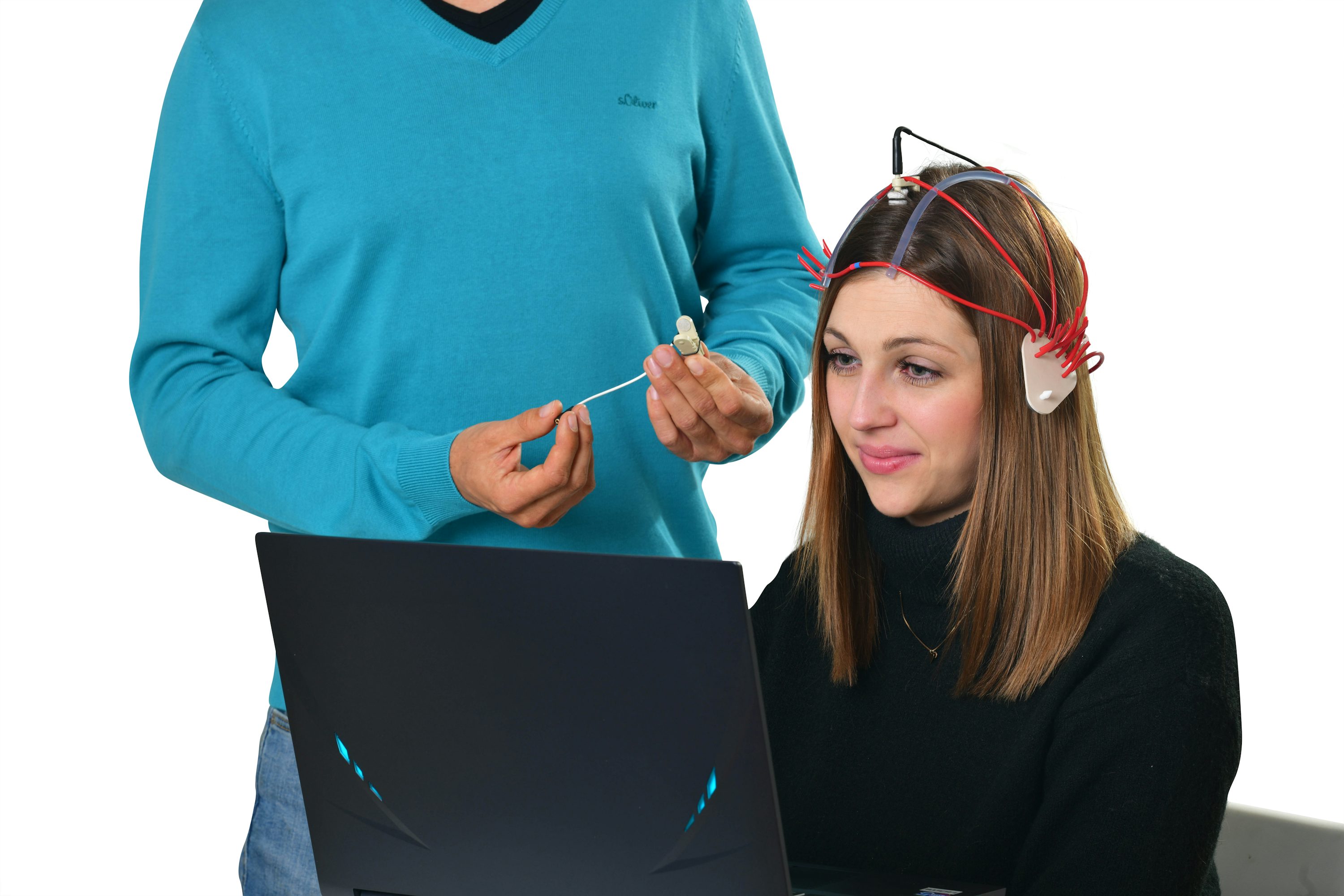
Population averages are useful reference points, but what matters most is your own number. Two people of the same age can differ by 50ms or more based on lifestyle, genetics, and current condition.
To establish your personal baseline:
- Take a PVT-based reaction time test when you're well-rested and in good condition
- Test 3-5 times over a week to average out daily fluctuations
- Record your conditions: sleep hours, caffeine, exercise, stress level
- Track over time: monthly or quarterly re-testing reveals trends before they become problems
CortexLab makes this process simple. Every test result is automatically saved to the cloud, and trend charts let you visualize changes over weeks and months. Condition logging helps you identify which factors most affect your personal reaction time.
Should You Be Concerned About Your Reaction Time?

A reaction time that's slightly above average for your age is rarely cause for concern. However, a sudden or significant decline from your personal baseline may warrant attention:
- 20-30ms decline: Likely due to sleep, stress, or lifestyle factors. Addressable with behavior changes
- 50ms+ sustained decline: Consider consulting a healthcare provider, especially if accompanied by other cognitive changes
- High lapse count: Frequent attention lapses (responses over 500ms) are a more sensitive indicator of cognitive issues than average speed alone
Regular tracking with CortexLab gives you the longitudinal data needed to distinguish normal fluctuations from meaningful trends.
Your reaction time tells a story about your brain's health and efficiency. Knowing the average for your age is a starting point, but tracking your own numbers over time is where real insight begins. Take CortexLab's free reaction time test and establish your personal baseline today.
Share this article

Michelle Liu
Developer & Cognitive Performance Researcher at CortexLab
Software engineer bridging cognitive science and technology. Focused on building scientifically-grounded brain performance measurement tools.

![Fastest Reaction Times Ever Recorded [Sports, Gaming, Science]](/_next/image?url=%2Fimages%2Fblog%2Ffastest-reaction-times%2Fthumbnail.webp&w=3840&q=75)
![Reaction Time Test: How Fast Are You? [Free Online Test]](/_next/image?url=%2Fimages%2Fblog%2Freaction-time-test%2Fthumbnail.webp&w=3840&q=75)