How Sleep Deprivation Affects Cognitive Performance
 Michelle Liu
How Sleep Deprivation Affects Cognitive Performance
Sleep is your brain's maintenance window. When you cut it short, cognitive performance degrades in measurable, predictable ways — and the effects are far worse than most people realize.
This article breaks down exactly how sleep deprivation impacts different cognitive domains, how quickly damage accumulates, and what the science says about recovery.
The Cognitive Cost of Sleep Loss
Reaction Time and Vigilance
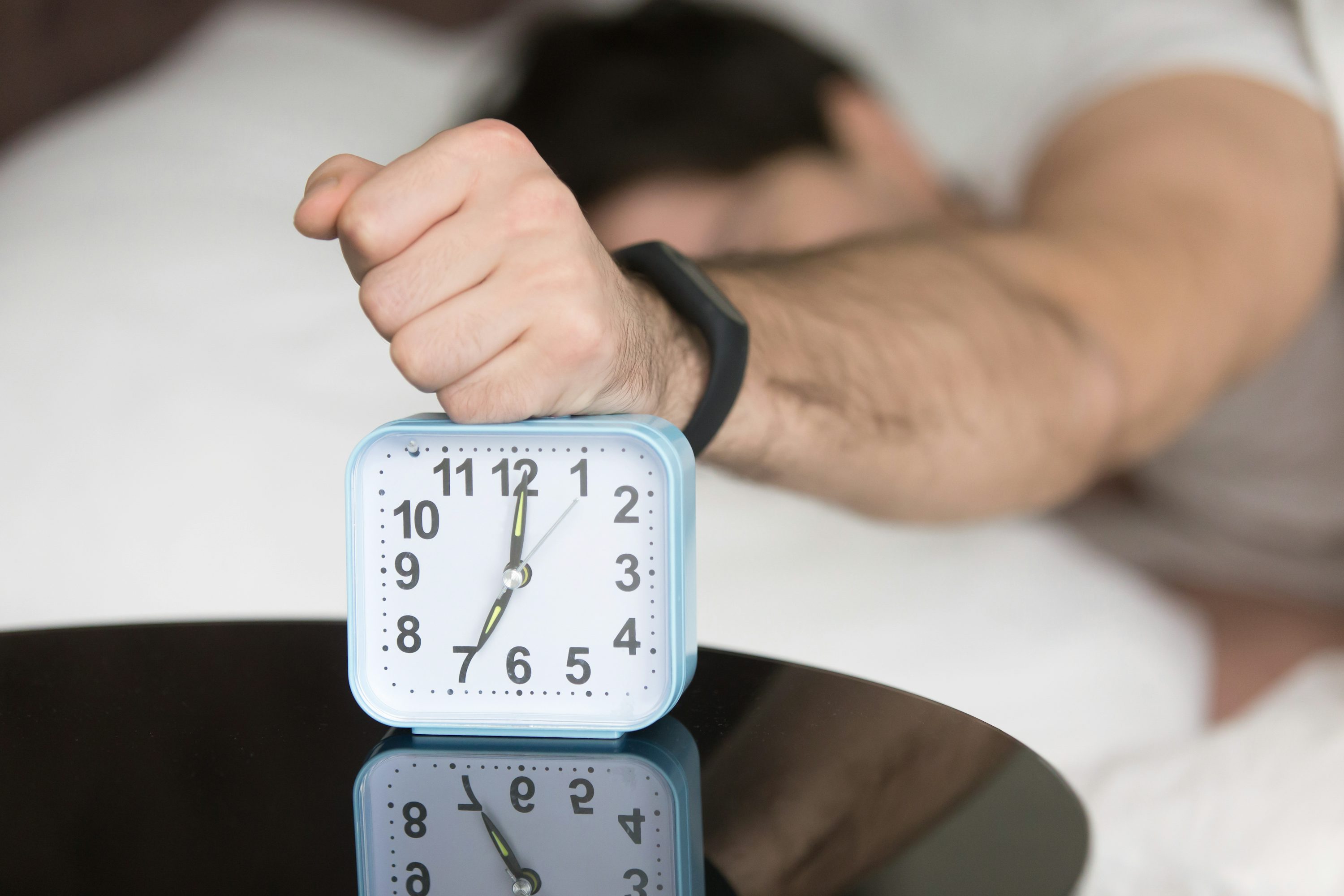
Reaction time is the cognitive domain most sensitive to sleep loss. The data is stark:
- One night of 4-hour sleep: Reaction time worsens by 20–40ms, with lapse count (attention failures) increasing 3–5x
- 24 hours awake: Cognitive impairment equivalent to a blood alcohol concentration of 0.10% — above the legal driving limit in most countries (Williamson & Feyer, 2000)
- 6 hours of sleep for 2 weeks: Cumulative impairment equivalent to two full nights of total sleep deprivation (Van Dongen et al., 2003)
- The PVT (Psychomotor Vigilance Task) is the gold standard for measuring this effect, which is why CortexLab uses it as a core test
Working Memory
Working memory — your brain's ability to hold and manipulate information — takes a significant hit from poor sleep:
- Working memory capacity drops by 20–30% after a night of poor sleep
- Complex tasks that require holding multiple pieces of information are disproportionately affected
- This explains why sleep-deprived people struggle with multi-step problems, even when simple tasks feel manageable
Decision Making and Executive Function
- The prefrontal cortex — responsible for planning, judgment, and impulse control — is among the brain regions most vulnerable to sleep loss
- Sleep-deprived individuals make riskier decisions, show impaired moral reasoning, and have reduced ability to adapt to new information
- This is particularly dangerous because people's confidence in their decisions doesn't decrease proportionally — you make worse decisions while feeling just as sure about them
How is your sleep affecting your brain?
Take CortexLab's free PVT to measure your cognitive state
The Sleep Debt Trap
Cumulative Damage
One of the most important findings in sleep science is that sleep debt accumulates:
- Getting 6 hours of sleep (instead of 8) creates a 2-hour daily deficit
- After 5 days: 10 hours of accumulated sleep debt
- After 2 weeks: cognitive performance is as impaired as staying awake for 48 hours straight
- Unlike a single night of poor sleep, chronic sleep restriction causes damage that compounds over days and weeks
The Adaptation Illusion
The most dangerous aspect of chronic sleep restriction:
- Subjective sleepiness plateaus after 3–5 days — you stop feeling more tired
- But objective cognitive performance continues to decline for the entire duration of sleep restriction
- This means people genuinely believe they've "adapted" to less sleep, while their reaction time, memory, and judgment continue to worsen
- This is why objective measurement (like CortexLab's PVT) is essential — you cannot trust your subjective sense of alertness
Which Cognitive Functions Are Most Affected?
High Sensitivity to Sleep Loss
- Sustained attention / Vigilance: First to decline, most dramatically affected. PVT lapse count is the single most sensitive measure
- Processing speed: Slows measurably after even modest sleep restriction
- Working memory: Capacity and accuracy both decline significantly
Moderate Sensitivity
- Cognitive flexibility: Ability to switch between tasks and adapt to changing rules is impaired
- Creative thinking: Divergent thinking and insight problem-solving are reduced
More Resistant (But Not Immune)
- Long-term memory retrieval: Previously learned information is relatively accessible, though encoding of new memories is impaired
- Simple motor tasks: Well-practiced physical skills are less affected than cognitive tasks
Sleep Stages and Cognitive Recovery
Why Deep Sleep Matters
- Slow-wave sleep (SWS): Critical for memory consolidation and clearing metabolic waste (including amyloid-beta, linked to Alzheimer's)
- REM sleep: Important for emotional regulation, creative problem-solving, and procedural memory
- Alcohol, even in moderate amounts, suppresses both SWS and REM sleep — meaning 8 hours of "drunk sleep" is not equivalent to 8 hours of sober sleep
Recovery Timeline
- Acute sleep deprivation (one bad night): One full recovery night (8–10 hours) restores most cognitive function
- Chronic sleep restriction (weeks of short sleep): Full recovery takes 1–2 weeks of consistent adequate sleep
- "Weekend catch-up" sleep: Provides partial recovery but does not fully reverse chronic sleep debt (Basner et al., 2013)
Practical Strategies for Protecting Cognitive Performance
Sleep Hygiene Fundamentals
- Consistent schedule: Same bedtime and wake time (±30 minutes), including weekends
- 7–9 hours: The evidence-based range for adults. Individual needs vary, but almost nobody functions optimally on less than 7 hours
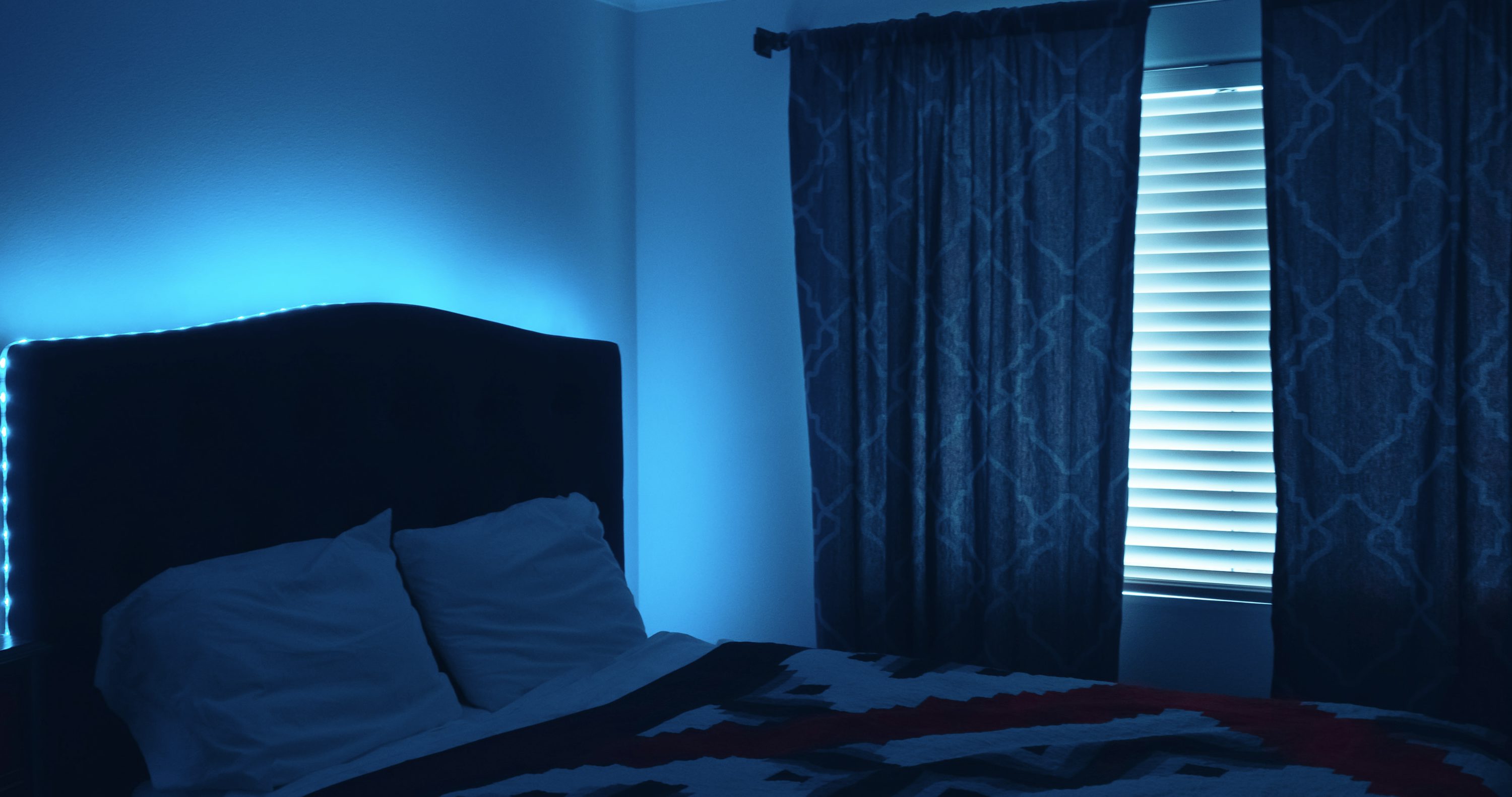
- Dark, cool, quiet bedroom: 18–20°C (65–68°F), blackout curtains, minimal noise
- No screens 1 hour before bed: Blue light suppresses melatonin and delays sleep onset
- Caffeine cutoff: No caffeine after 2pm (half-life of 5–6 hours means afternoon coffee affects nighttime sleep)
Using CortexLab to Track Sleep's Impact
- Take the PVT every morning before coffee, at the same time
- Log your sleep hours alongside your scores
- After 2–4 weeks, review your data: What's the correlation between sleep duration and your reaction time / lapse count?
- Find your personal minimum: The sleep duration below which your PVT scores measurably decline
When Sleep Loss Is Unavoidable
- Strategic napping: A 20-minute nap can temporarily restore vigilance and reaction time (but doesn't replace nighttime sleep)
- Caffeine: Can partially compensate for sleep loss (improves reaction time by 10–20ms) but cannot reverse working memory or decision-making impairment
- Know your limits: If your PVT lapse count is elevated, avoid driving, important decisions, and high-stakes tasks if possible
Sleep deprivation degrades every measurable aspect of cognitive performance — reaction time, working memory, attention, and decision making. The most dangerous part is that you stop feeling tired while your brain continues to underperform. CortexLab's PVT test gives you an objective, daily measure of how sleep is affecting your cognitive performance. Start tracking today and discover what your brain actually needs.
Share this article

Michelle Liu
Developer & Cognitive Performance Researcher at CortexLab
Software engineer bridging cognitive science and technology. Focused on building scientifically-grounded brain performance measurement tools.