What Is Working Memory? A Simple Explanation
 Michelle Liu
Working Memory: Your Brain's Mental Workspace
Imagine you're calculating a tip at a restaurant. You hold the bill total in mind, multiply by 0.15, and round the result. That entire process happens in working memory.
Working memory is the cognitive system that temporarily holds and manipulates information in real-time. It's what lets you follow a conversation, solve problems, read a book, and make decisions. Without it, you couldn't hold the beginning of this sentence in mind while reading the end.
This article explains working memory in plain language: what it is, how it differs from short-term memory, why it matters, and how to measure yours.
Working Memory vs. Short-Term Memory: What's the Difference?
These terms are often used interchangeably, but they describe fundamentally different functions:
- Short-term memory: Passive storage. You hear a phone number and hold it for a few seconds. No manipulation, just retention
- Working memory: Active processing. You hear a phone number and rearrange the digits, compare it to another number, or use it to calculate something
Think of it this way: short-term memory is a shelf (it holds things). Working memory is a workbench (it holds things AND has tools to work with them).
Every act of thinking, reasoning, and problem-solving requires working memory. Short-term memory is a component within it, but working memory adds the critical element of manipulation and control.
How strong is your working memory?
Take the free CortexLab test to find out
How Big Is Working Memory?
In 1956, George Miller proposed the famous "magical number 7 plus or minus 2" as the capacity of short-term memory. Modern research has revised this significantly downward for working memory specifically.
Nelson Cowan's influential work suggests that working memory can hold approximately 4 items (plus or minus 1) at a time. That's it. Four chunks of information is the typical limit for active manipulation.
This feels surprisingly small, and it is. It's why you can't easily multiply 47 x 38 in your head (too many intermediate values to track), but you can handle 6 x 7 (fewer demands on working memory).
The good news: the size of each "item" is flexible. Through a technique called chunking, you can pack more information into each slot. A chess grandmaster can remember an entire board position as a few familiar patterns, while a beginner sees 32 individual pieces.
Why Working Memory Matters in Daily Life

Reading Comprehension
To understand a paragraph, you must hold earlier sentences in mind while processing new ones, track the author's argument, and connect ideas across the text. All of this is working memory. Research consistently shows that working memory capacity is one of the strongest predictors of reading comprehension.
Conversations
Following a conversation requires holding what the other person said while formulating your response, tracking the topic, and monitoring social cues. When working memory is depleted (by fatigue or distraction), conversations feel harder to follow.
Decision Making
Good decisions require comparing options, weighing pros and cons, and considering consequences. Each of these operations loads working memory. This is why decisions made under cognitive overload (too many tabs open, too many interruptions) tend to be worse.
Learning
Learning anything new requires holding new information in working memory while integrating it with existing knowledge. Students with higher working memory capacity consistently perform better academically, not because they're "smarter" in some fixed sense, but because they can process more information simultaneously during learning.
Math
Mental arithmetic is one of the most direct tests of working memory. Carrying digits, tracking intermediate results, remembering the original numbers: all working memory tasks. Difficulties with math often trace back to working memory limitations rather than mathematical understanding.
What Affects Working Memory?
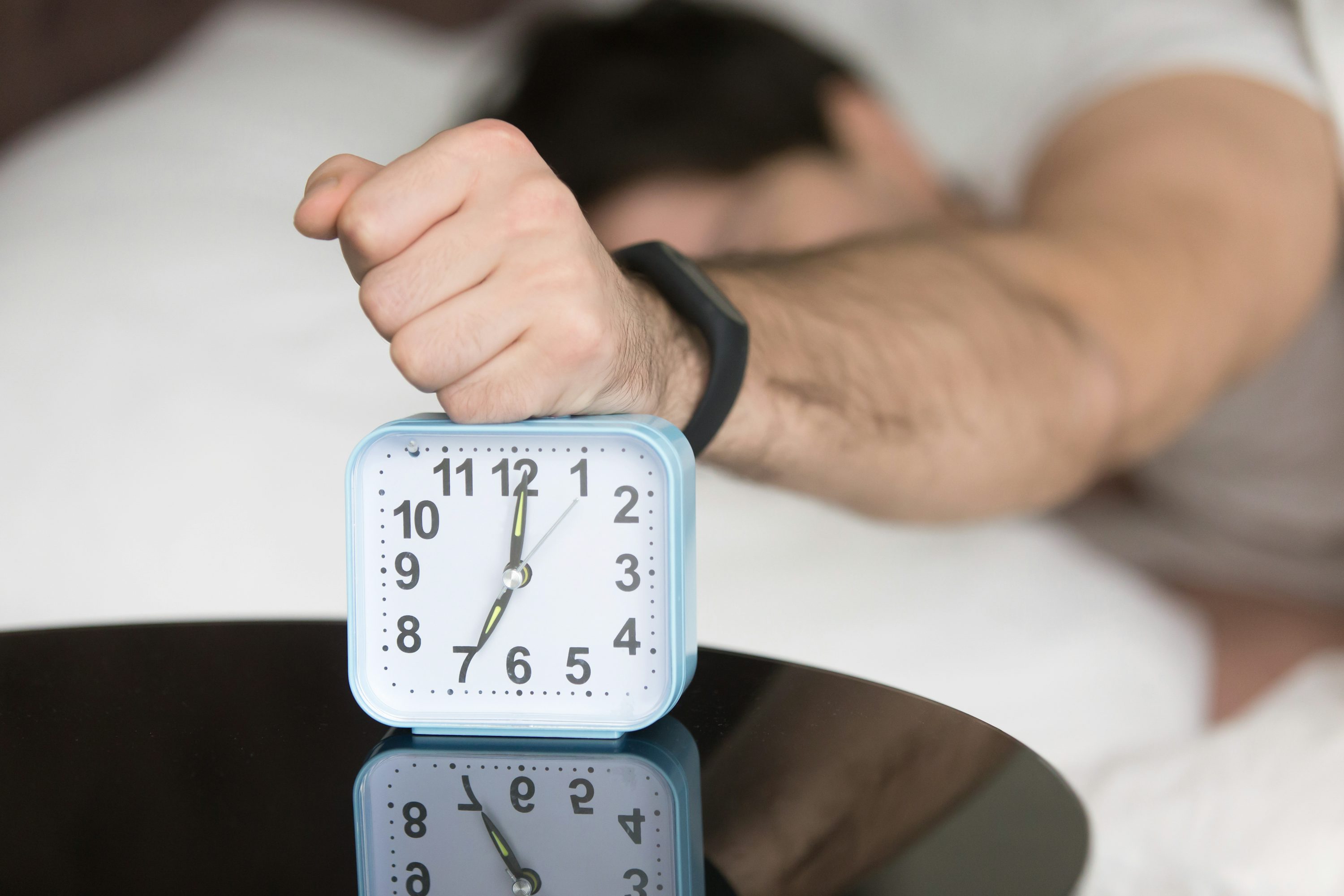
Working memory capacity isn't fixed from moment to moment. Several factors cause it to fluctuate:
Sleep
Sleep deprivation devastates working memory. The prefrontal cortex, working memory's neural headquarters, is particularly sensitive to sleep loss. Even one night of poor sleep produces measurable impairment.
Stress
Chronic stress elevates cortisol, which impairs prefrontal cortex function. Under high stress, working memory capacity effectively shrinks: you can focus on fewer things and manipulate less information.
Age
Working memory peaks in the early-to-mid 20s and gradually declines. However, lifestyle factors (exercise, sleep, cognitive engagement) significantly modulate the rate of decline.
Cognitive Load
Every task you try to juggle draws from the same limited pool. This is why "multitasking" degrades performance: you're not doing two things at once, you're rapidly switching between them, and each switch costs working memory resources.
How to Measure Your Working Memory

Several validated tests exist:
Digit Span
Repeat sequences of numbers forward (short-term memory) and backward (working memory). Used clinically in the WAIS intelligence test.
N-Back Task
Identify whether the current stimulus matches the one presented N items ago. The research gold standard, used extensively in neuroimaging studies.
Memory Grid (CortexLab)
Memorize and reproduce visual patterns on a grid that increases in complexity across 5 levels. This tests visuospatial working memory directly. It's language-free, meaning it works equally well regardless of your native language.
CortexLab's test takes just a few minutes and provides a clear score that you can track over time. Combined with the platform's other cognitive tests (reaction time, processing speed, pattern recognition, task switching), it gives you a comprehensive picture of your cognitive performance.
Can You Improve Working Memory?

Yes, within limits. Here are the most effective approaches:
- Regular testing: Taking working memory tests 2-3 times per week is itself training. CortexLab's Memory Grid exercises the relevant neural circuits with each session
- Aerobic exercise: 150+ minutes per week improves prefrontal cortex function and working memory across all age groups
- Sleep optimization: 7-9 hours of quality sleep is non-negotiable for peak working memory
- Mindfulness meditation: 8 weeks of regular practice has been shown to improve working memory capacity by strengthening attentional control
- Reduce cognitive overload: Use external tools (lists, calendars, note-taking apps) to offload routine information and free working memory for active thinking
Working memory is the invisible engine behind everything you think, learn, and decide. Understanding its limits helps you work with your brain rather than against it. Take CortexLab's free Memory Grid test to measure your working memory capacity and start tracking how it changes with your lifestyle.
Share this article

Michelle Liu
Developer & Cognitive Performance Researcher at CortexLab
Software engineer bridging cognitive science and technology. Focused on building scientifically-grounded brain performance measurement tools.