
ADHD and Processing Speed: Why It Feels Slow (and What Helps)
 Michelle Liu
ADHD and Processing Speed: Why Your Brain Feels Slow (Even Though It's Not)
If you have ADHD, you've probably experienced this paradox: your brain can process information lightning-fast when you're interested, but feels agonizingly slow during routine tasks. You might ace a complex video game but take three times longer than your coworkers to process a simple email.
This isn't laziness or lack of intelligence. Processing speed deficits are one of the most common — and most overlooked — cognitive features of ADHD. Understanding why this happens can change how you manage your ADHD and advocate for the support you need.
What Is Processing Speed in ADHD?

Processing speed refers to how quickly your brain can take in information, make sense of it, and produce a response. In ADHD, processing speed shows a distinctive pattern that's different from general slow processing:
- Inconsistency: Unlike conditions where processing speed is uniformly slow, ADHD processing speed fluctuates dramatically based on interest, stimulation, and dopamine availability
- Task-dependent: Simple, repetitive tasks are disproportionately affected. Novel, engaging tasks may show normal or even superior speed
- Variable within a single session: Reaction times on sustained attention tests show high variability — fast responses mixed with very slow lapses
Measure your processing speed consistency
CortexLab's free PVT test reveals attention lapses and variability
The Research: How Common Is Slow Processing Speed in ADHD?

Processing speed deficits are among the most consistently documented cognitive findings in ADHD research:
- Meta-analyses show that individuals with ADHD score approximately 0.5–0.7 standard deviations below average on processing speed measures — a moderate but meaningful deficit
- Prevalence: An estimated 50–60% of people with ADHD show measurable processing speed deficits
- WISC/WAIS subtests: Processing Speed Index (PSI) is frequently the lowest score for individuals with ADHD, often 10–15 points below their Verbal Comprehension or Perceptual Reasoning scores
- Reaction time variability: The most distinctive finding is not slow average speed, but high variability — the standard deviation of reaction times is significantly elevated in ADHD
Why ADHD Slows Processing: The Dopamine Connection
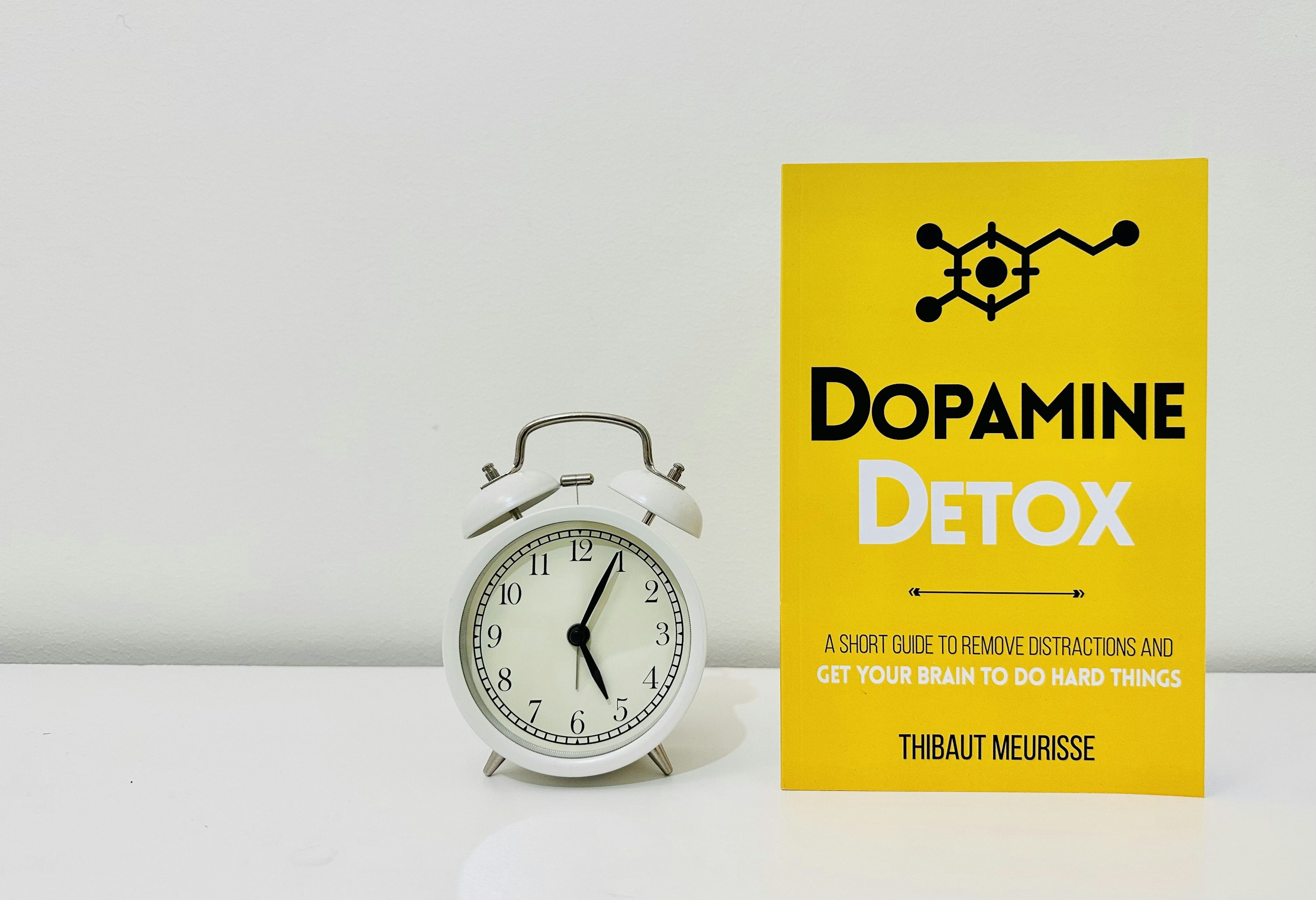
The Dopamine Bottleneck
Processing speed in ADHD is fundamentally a dopamine regulation issue, not a structural brain limitation.
- Dopamine modulates neural signal-to-noise ratio: With insufficient dopamine, neural signals are less distinct from background noise, requiring more processing cycles to reach a decision threshold
- Prefrontal cortex underactivation: The prefrontal cortex — responsible for executive processing — requires optimal dopamine levels to function efficiently. ADHD brains have lower baseline dopamine availability in this region
- Interest-based activation: Novel or rewarding stimuli trigger dopamine release, temporarily normalizing processing speed. This explains why ADHD processing speed is task-dependent
The Default Mode Network Problem
Research shows that in ADHD, the default mode network (DMN) — the brain's "daydreaming" system — doesn't properly deactivate during tasks that require focused processing.
- DMN intrusion during focused tasks creates "mental static" that slows processing
- This manifests as the sudden lapses in attention visible on PVT tests — moments where the brain briefly "checks out"
- Stimulant medications improve DMN suppression, which is one reason they improve processing speed consistency
Working Memory Overload
Working memory deficits in ADHD compound processing speed problems:
- When working memory capacity is reduced, multi-step processing takes longer because information must be re-loaded repeatedly
- Instructions that neurotypical brains hold in working memory while executing must be re-read or re-heard
- This creates a "bottleneck effect" where processing speed is limited not by perception or motor speed, but by working memory throughput
How Slow Processing Speed Affects Daily Life with ADHD

At Work
- Meeting overwhelm: By the time you've processed one point, the discussion has moved on to the next
- Email/report processing: Reading and responding to routine communications takes disproportionately long
- Task initiation: What looks like procrastination is sometimes slow processing of task requirements
- Timed assessments: Standardized tests and time-pressured evaluations systematically underestimate your actual knowledge
In Relationships
- Conversation delays: Pausing to process before responding can be misinterpreted as disinterest or disagreement
- Instruction processing: Needing to hear things multiple times isn't about not listening — it's about processing bandwidth
- Emotional processing lag: Sometimes you don't realize how you feel about something until hours or days later
Internal Experience
- Shame spiral: "Why can't I just do this faster?" leads to anxiety, which further slows processing
- Impostor syndrome: High intelligence + slow processing creates a painful gap between what you know and what you can demonstrate under time pressure
- Decision fatigue: Every decision takes more processing resources, depleting cognitive energy faster
Measuring ADHD Processing Speed with CortexLab
CortexLab's free tests are particularly useful for understanding ADHD-specific processing patterns:
PVT (Psychomotor Vigilance Test)
The PVT is ideal for ADHD assessment because it captures variability, not just average speed.
- Median reaction time: Your typical processing speed
- Lapse count: Responses over 500ms — the signature ADHD pattern. High lapse counts with fast median times suggest attention fluctuation rather than genuinely slow processing
- Fastest 10%: Your peak capability. If this is fast but your median is slow, it confirms that your hardware is fast — the bottleneck is attentional consistency
DSST (Digit Symbol Substitution)
DSST tests complex processing speed that involves working memory, visual scanning, and motor response.
- In ADHD, DSST scores often show the processing speed deficit more clearly than simple reaction time
- Track your DSST scores alongside medication timing to see if and when your medication optimizes processing speed
Task Switching
People with ADHD often show larger "switch costs" — the time penalty when switching between different task rules.
- This maps directly to real-world difficulties with context switching between tasks
- Interestingly, some ADHD individuals show smaller switch costs, possibly due to lower engagement with either task
Strategies for Managing Slow Processing Speed with ADHD

1. Medication Optimization
Stimulant medications (methylphenidate, amphetamines) directly improve processing speed by increasing dopamine availability.
- Use CortexLab's PVT to test at different times relative to your medication to find your optimal processing window
- Track lapse counts — medication should reduce lapses even if median reaction time doesn't change dramatically
- Discuss processing speed concerns specifically with your prescriber; dose optimization may differ from what's optimal for focus alone
2. Environmental Design
- Reduce input channels: Process one information stream at a time. Close unnecessary tabs, use noise-canceling headphones
- Request written follow-ups: After verbal instructions or meetings, ask for written summaries you can process at your own pace
- Schedule demanding tasks during peak hours: Use CortexLab data to identify when your processing speed is highest
3. Processing Speed Training
- Daily PVT practice: 3 minutes per day as a "cognitive warm-up" before demanding work
- Action video games: Research shows they improve visual processing speed in both ADHD and neurotypical populations
- Aerobic exercise: 20–30 minutes of exercise before cognitive tasks increases dopamine and norepinephrine, temporarily boosting processing speed
4. Lifestyle Optimization
- Sleep: ADHD brains are more sensitive to sleep deprivation effects on processing speed. Prioritize 7–9 hours
- Exercise: The single most evidence-based non-medication intervention for ADHD processing speed. Aim for 150+ minutes per week
- Nutrition: Protein-rich meals support dopamine synthesis. Avoid blood sugar crashes from high-GI foods, which disproportionately affect ADHD processing
5. Self-Advocacy
- Workplace accommodations: Extended time on assessments, written instructions, flexible deadlines
- Data-driven communication: Use CortexLab test results to show concrete processing speed patterns to employers, educators, or clinicians
- Reframe the narrative: Slow processing speed with ADHD often coexists with exceptional creativity, pattern recognition, and out-of-the-box thinking
Processing Speed vs. Intelligence in ADHD

One of the most important things to understand: processing speed and intelligence are independent.
- Many people with ADHD have above-average IQ scores combined with below-average processing speed scores
- This "twice-exceptional" profile creates unique challenges — you understand complex concepts quickly but execute routine tasks slowly
- Academic and workplace assessments that use timed formats systematically underestimate ADHD capabilities
- Untimed assessments often reveal a completely different picture of your actual abilities
If you have ADHD and your brain feels slow, it's likely not slow — it's inconsistent. The key is understanding your processing speed patterns: when you're fast, when you're slow, and what factors shift the balance. Use CortexLab's free PVT and DSST tests to map your processing speed profile, then use that data to optimize your environment, medication timing, and daily routine. Your brain's processing power is there — the challenge is creating the conditions for it to be consistently available.
Share this article

Michelle Liu
Developer & Cognitive Performance Researcher at CortexLab
Software engineer bridging cognitive science and technology. Focused on building scientifically-grounded brain performance measurement tools.