ADHD and Working Memory: The Connection Explained
 Michelle Liu
ADHD and Working Memory: Why It Matters More Than You Think
If you have ADHD, you've probably experienced this: you walk into a room and forget why you went there. You start a sentence and lose your train of thought mid-way. You read a paragraph and realize you absorbed nothing. These aren't signs of low intelligence — they're signs of working memory difficulties, one of the most consistent cognitive findings in ADHD research.
This article explains the connection between ADHD and working memory, what the latest science says, and practical strategies to work with (not against) your brain.
What Happens to Working Memory in ADHD?

Working memory is your brain's ability to hold information in mind while using it. It's the mental workspace where you keep a phone number while dialing, follow a multi-step recipe, or hold one idea while formulating the next.
In ADHD, working memory capacity is typically reduced by 20–30% compared to neurotypical peers. This isn't a minor detail — it affects nearly every aspect of daily functioning.
The Research Evidence
- A 2013 meta-analysis by Kasper, Alderson, and Hudec found that working memory deficits are among the most robust cognitive findings in ADHD, present in both children and adults
- Both verbal working memory (holding words and numbers) and visuospatial working memory (holding spatial patterns and locations) are affected, though visuospatial deficits tend to be slightly more pronounced
- Working memory deficits persist even when ADHD symptoms are well-managed with medication, suggesting it's a core feature rather than a secondary symptom
Measure your working memory objectively
Take the free CortexLab test now
How Working Memory Deficits Show Up in Daily Life
At Work
- Losing track of multi-step instructions: Your boss gives you three things to do, and by the time you start the second, you've forgotten the third
- Difficulty with mental math: Holding numbers in your head while performing calculations feels unusually hard
- Meeting struggles: Following a complex discussion while formulating your own contribution overwhelms working memory capacity
- Frequent re-reading: You read emails or documents multiple times because the information doesn't "stick" the first time
In Relationships
- Appearing to not listen: Your partner tells you something, and minutes later you can't recall it — not because you weren't paying attention, but because working memory couldn't hold it
- Forgetting commitments: Agreeing to plans and then genuinely forgetting them
- Losing the thread of conversations: Especially in group settings where multiple people are talking
In Self-Management
- Time blindness: Difficulty holding a sense of time in working memory, leading to chronic lateness
- Task switching costs: Every interruption requires "reloading" the previous task into working memory, which is harder with reduced capacity
- Decision fatigue: Comparing multiple options requires holding them all in working memory simultaneously
The Neuroscience: Why ADHD Affects Working Memory
Prefrontal Cortex Underactivation
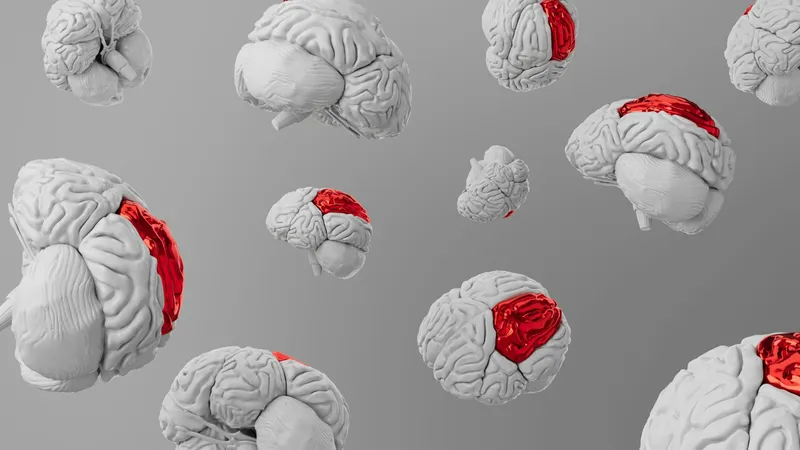
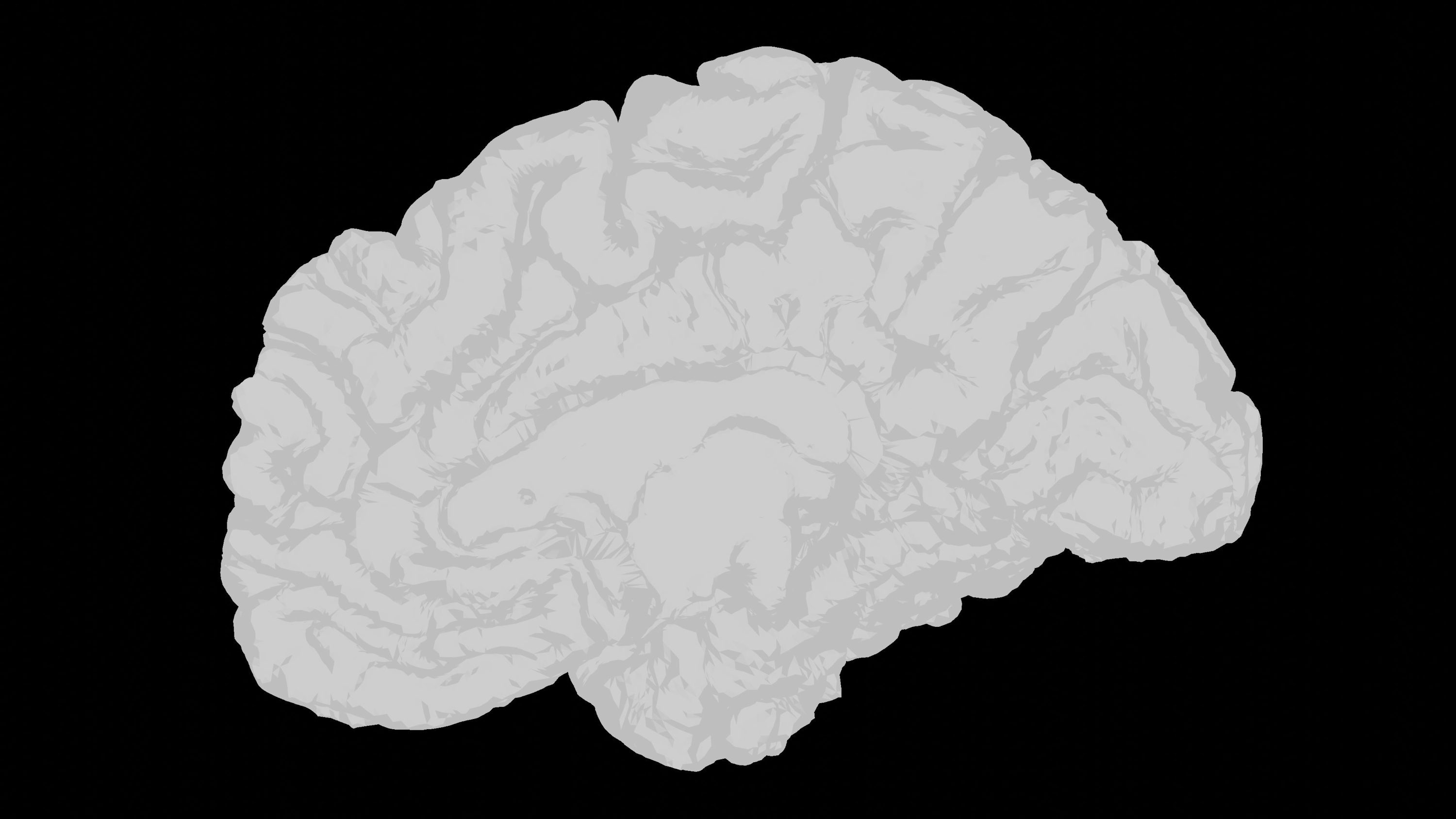
The prefrontal cortex (PFC) is the brain region most responsible for working memory. In ADHD, the PFC shows reduced activation during working memory tasks, as consistently demonstrated in fMRI studies. It's not that the PFC is damaged — it's underperforming relative to the demands placed on it.
Dopamine Dysfunction
Dopamine is the neurotransmitter that modulates PFC activity. ADHD involves dysregulation of the dopamine system, which leads to:
- Inconsistent signal quality: The PFC needs optimal dopamine levels to maintain information in working memory. Too little (understimulated) or too much (overstimulated) both impair performance
- State-dependent performance: This is why ADHD working memory can be excellent when you're interested (dopamine flows) and terrible when you're bored (dopamine deficit)
The Default Mode Network Problem
Research shows that in ADHD, the default mode network (DMN) — the brain network active during mind-wandering — intrudes during tasks that require focused working memory. This "DMN leakage" is a neurological basis for the experience of thoughts drifting mid-task.
Working Memory vs. Attention: Understanding the Difference

It's important to distinguish working memory problems from pure attention problems, even though they often co-occur in ADHD:
- Attention problem: You didn't hear what someone said because you were distracted (information never entered the system)
- Working memory problem: You heard what someone said, understood it in the moment, but can't hold onto it long enough to act on it (information entered but was lost from the workspace)
Both contribute to ADHD difficulties, but they require different strategies to address. A PVT-based reaction time test can help measure attentional consistency, while a memory grid test targets working memory capacity specifically.
Practical Strategies for ADHD Working Memory

Strategy 1: Externalize Everything
If working memory is a small desk, the solution is to put things on the floor around it — i.e., move information out of your head and into the environment.
- Write things down immediately: Not "I'll remember this" — write it down right now
- Use visual reminders: Sticky notes, whiteboard lists, phone alarms
- Think out loud or on paper: When solving problems, write your thinking process down instead of trying to hold it all in your head
Strategy 2: Reduce Working Memory Load
- Break complex tasks into single steps: Instead of "clean the kitchen," work with "wash the dishes" → "wipe the counters" → "sweep the floor"
- Close unnecessary tabs and apps: Every open tab is competing for working memory resources
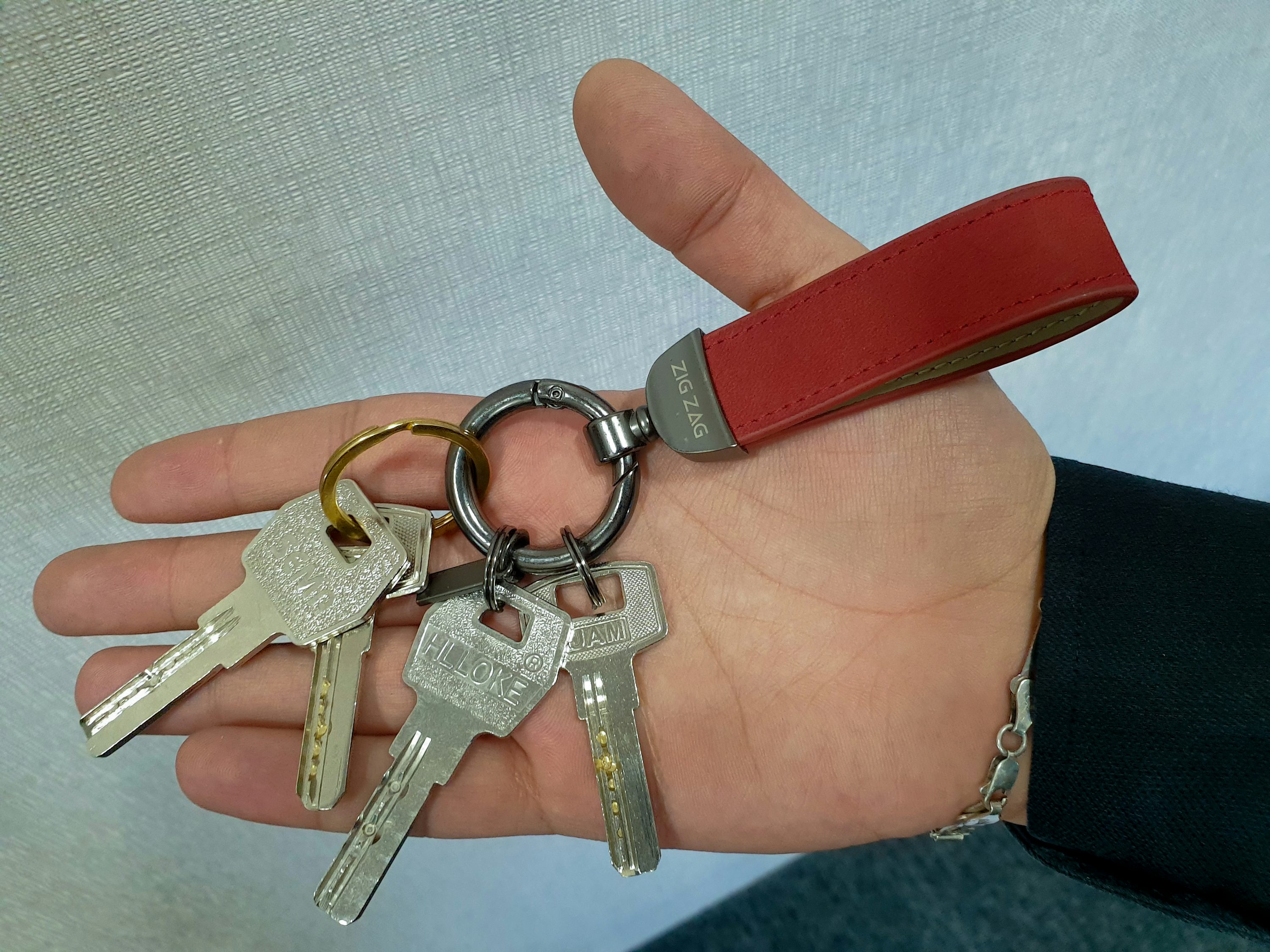
- Create routines: Routines automate decisions that would otherwise consume working memory. Keys always go in the same place; morning sequence is always the same order
Strategy 3: Leverage Strengths
ADHD brains aren't uniformly impaired — they have a distinctive cognitive profile with genuine strengths:
- Hyperfocus: When engaged, ADHD working memory can actually exceed neurotypical levels. Design your environment to trigger engagement
- Creative connections: The DMN "leakage" that disrupts focused tasks also enables unexpected idea generation. Use this in brainstorming sessions
- Pattern recognition: Many people with ADHD excel at spotting patterns and connections that others miss
Strategy 4: Optimize the Biological Foundation
- Exercise: Aerobic exercise increases dopamine and norepinephrine — the same neurotransmitters targeted by ADHD medication. A 30-minute morning workout can improve working memory for hours
- Sleep: Sleep disorders co-occur in approximately 50% of people with ADHD. Improving sleep quality has a direct impact on next-day working memory performance
- Nutrition: Stable blood sugar (avoiding high-GI foods), adequate protein, and omega-3 fatty acids all support dopamine function
Strategy 5: Track and Understand Your Patterns
ADHD working memory is highly variable — it changes with time of day, sleep quality, stress level, medication timing, and engagement level. The key is to identify your personal patterns.
CortexLab helps you do this by:
- Memory Grid test: Directly measures visuospatial working memory capacity
- PVT test: Measures attentional consistency (lapse count is especially relevant for ADHD)
- Task Switching test: Measures cognitive flexibility — another area often affected in ADHD
- Condition logging: Record sleep, exercise, caffeine, and medication before each test to discover what helps most
Medication and Working Memory

Stimulant medications (methylphenidate, amphetamines) improve working memory in ADHD by increasing dopamine availability in the prefrontal cortex. Research shows:
- Stimulant medication typically improves working memory performance by 0.4–0.7 standard deviations
- Effects are most pronounced for tasks requiring sustained working memory effort
- Medication doesn't fully normalize working memory — external strategies remain important even with optimal medication
- CortexLab's cognitive tests can help you and your healthcare provider objectively assess medication effects on working memory and other cognitive functions
Working memory deficits are a core feature of ADHD, not a character flaw. Understanding this connection is the first step toward building effective strategies. By externalizing information, reducing cognitive load, leveraging your strengths, and optimizing your biology, you can dramatically improve daily functioning. Start by measuring your working memory with CortexLab's free cognitive test battery — the data will show you exactly where to focus your efforts.
Share this article

Michelle Liu
Developer & Cognitive Performance Researcher at CortexLab
Software engineer bridging cognitive science and technology. Focused on building scientifically-grounded brain performance measurement tools.