![Fastest Reaction Times Ever Recorded [Sports, Gaming, Science]](/_next/image?url=%2Fimages%2Fblog%2Ffastest-reaction-times%2Fthumbnail.webp&w=3840&q=75)
Fastest Reaction Times Ever Recorded [Sports, Gaming, Science]
 Michelle Liu
The Limits of Human Speed: Fastest Reaction Times on Record
How fast can a human being possibly react? From Olympic sprinters to Formula 1 drivers, the fastest reaction times ever recorded reveal the extraordinary capabilities — and hard limits — of the human nervous system.
This article explores the fastest documented reaction times across sports, gaming, and laboratory research, what makes these individuals exceptional, and how your own reaction time compares.
The Fastest Reaction Times in Sports

Track and Field Sprinting
In Olympic sprinting, any reaction time under 100ms (0.1 seconds) is considered a false start. This rule exists because scientists determined that it is physiologically impossible for a human to genuinely react to a starting gun in under 100ms — the neural pathway simply cannot complete the circuit that fast.
The fastest legal reaction times in sprinting history include:
- 104ms — Recorded at multiple international competitions. This is considered the absolute floor of genuine human auditory reaction time in a sprint start
- Average for Olympic finalists: 150–170ms
- Average for recreational athletes: 200–250ms
The difference between an Olympic gold and no medal can come down to less than 50ms of reaction time at the start — though top-end speed matters more over the full 100 meters.
Formula 1 Racing
F1 drivers consistently demonstrate some of the fastest reaction times of any athletes:
- Typical race start reaction time: 200–300ms (including the physical movement of releasing the clutch)
- In-race reaction to unexpected events: as low as 150ms for elite drivers
- Visual processing advantage: F1 drivers can process visual information at speeds up to 20% faster than the general population
What makes F1 drivers exceptional isn't just raw reaction speed — it's their ability to maintain fast, consistent reactions under extreme physical stress (up to 6G forces) over 90+ minutes.
Baseball Batting
Hitting a major league fastball may be the most demanding reaction time challenge in any sport:
- A 95 mph fastball reaches home plate in approximately 400ms
- The batter must decide whether to swing within the first 125–150ms
- The swing itself takes approximately 150ms
- This leaves roughly 100ms for the brain to process the pitch type, location, and velocity — an astonishing cognitive feat
Table Tennis
Professional table tennis players routinely react to shots with a total response time of:
- 150–180ms for close-range returns
- The ball can travel at over 100 km/h and the table is only 2.74 meters long, giving players fractions of a second to respond
- Elite players rely heavily on anticipation (reading the opponent's body mechanics) rather than pure reaction to the ball
How do you compare to the pros?
Take the free CortexLab reaction time test
The Fastest Reaction Times in Gaming
Esports Professionals
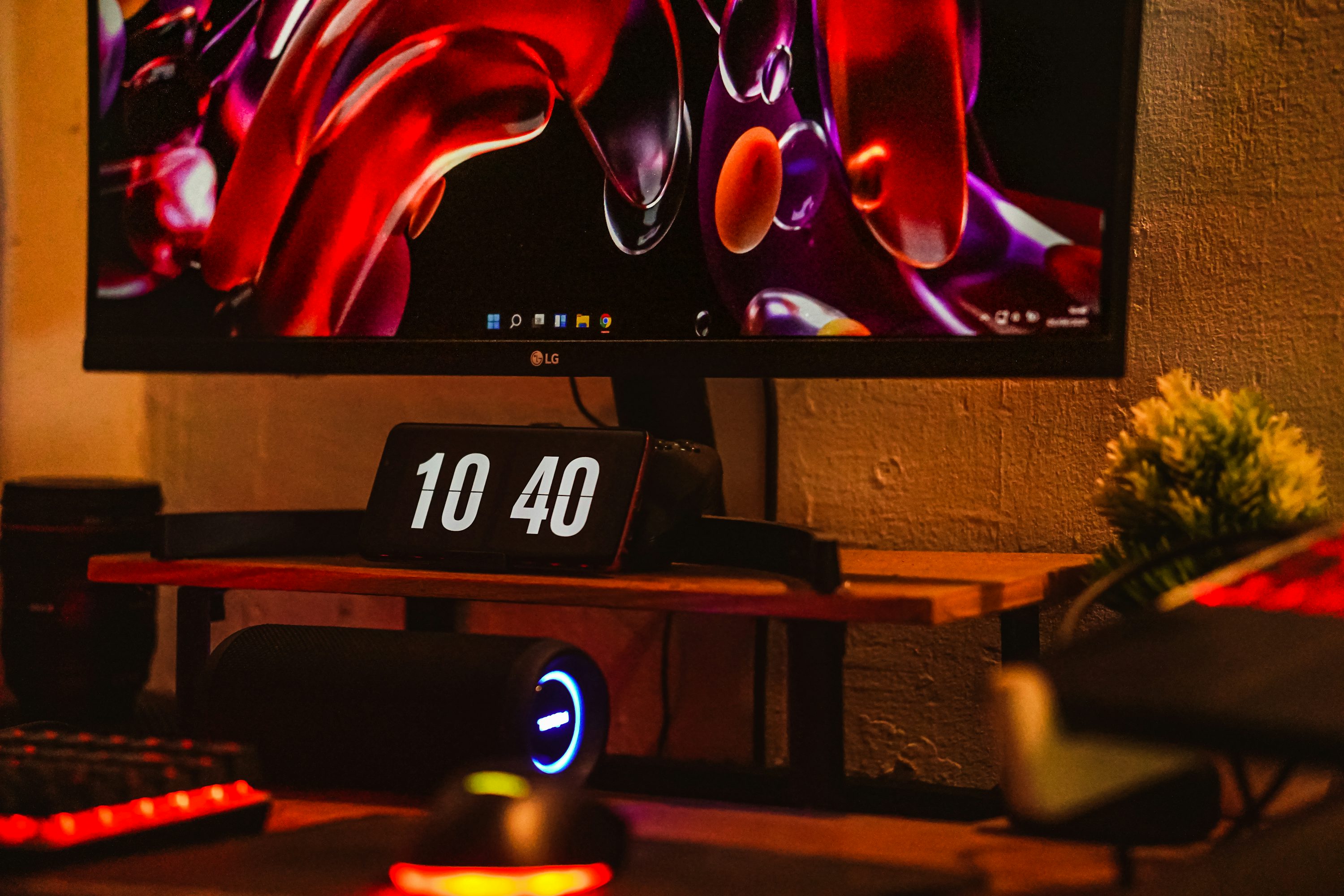
Competitive gamers, particularly in FPS (first-person shooter) titles, have some of the most precisely measured reaction times:
- Professional FPS players: 140–170ms average (visual simple reaction time)
- Top 1% of competitive gamers: consistently under 160ms
- Fastest recorded on popular benchmarking sites: 100–120ms (though these extreme scores are debated due to potential anticipation)
Why Gamers Have Fast Reaction Times
- Thousands of hours of practice: Extensive training strengthens the neural pathways involved in visual stimulus → motor response
- Age advantage: Most esports professionals are in their late teens to early 20s — the peak age for reaction time
- Equipment optimization: High refresh rate monitors (240Hz+), low-latency peripherals, and stable frame rates eliminate equipment-related delays
- Anticipation skills: Much of what appears to be "reaction" is actually pattern-based prediction
Laboratory-Measured Records
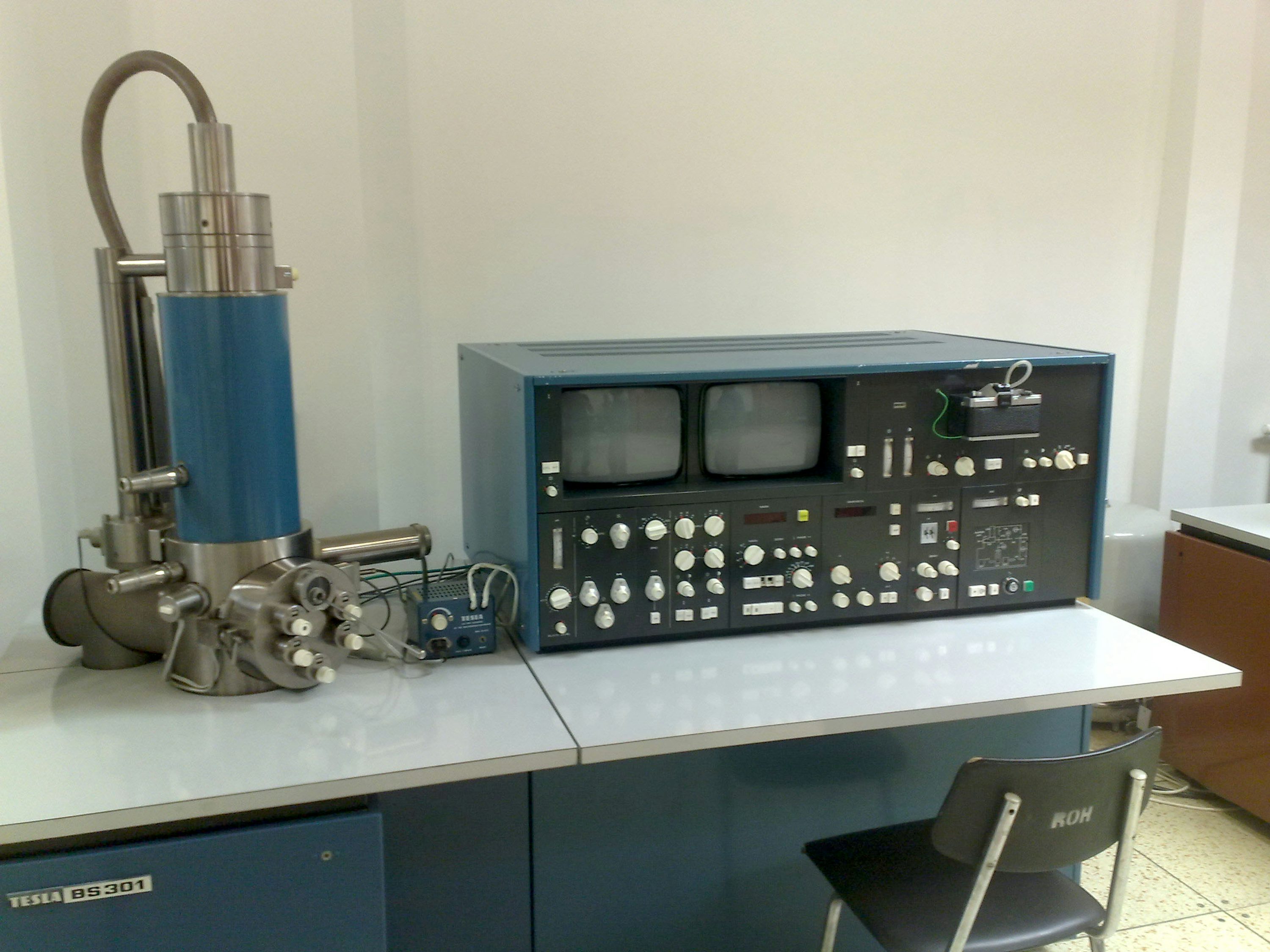
Under controlled laboratory conditions, the fastest reliably measured human reaction times are:
Simple Reaction Time (single stimulus, single response)
- Visual: approximately 120ms for the fastest individuals (young adults, optimal conditions)
- Auditory: approximately 100ms (auditory signals are processed faster because the auditory nerve pathway is shorter)
- Touch: approximately 110ms
Why 100ms Appears to Be the Floor
The theoretical minimum for human reaction time is limited by the physical properties of the nervous system:
- Sensory processing: 20–40ms for the sensory organ to detect the stimulus and generate a neural signal
- Neural transmission: 10–20ms for the signal to travel from the sensory organ to the brain
- Cognitive processing: 30–50ms for the brain to identify the stimulus and select a response
- Motor execution: 20–30ms for the motor signal to travel to the muscles and initiate movement
Added together, these stages create a minimum of approximately 80–140ms, with 100ms being the approximate lower bound under ideal conditions.
What Makes Fast Reactors Different?

Research on individuals with exceptionally fast reaction times has identified several factors:
Myelination Quality
Myelin is the insulating sheath around nerve fibers that speeds up signal transmission. Individuals with denser, higher-quality myelination have measurably faster neural conduction speeds. This is partly genetic and partly influenced by training.
Neurotransmitter Efficiency
Dopamine availability affects how quickly the brain can initiate a motor response. People with efficient dopamine systems tend to have faster and more consistent reaction times.
Anticipation and Pattern Recognition
Many seemingly superhuman reaction times are actually the result of anticipation, not pure reaction. Elite athletes and gamers learn to read cues that allow them to begin their response before the stimulus fully occurs. This is why experience in a specific domain matters more than raw neural speed.
Training Effects
Research shows that reaction time can be improved by 10-20% with targeted training. This improvement comes from:
- Faster decision-making (cognitive processing stage)
- More efficient motor programming (muscle memory)
- Better stimulus detection (knowing exactly what to look for)
How Do You Compare?

Here's how different reaction time ranges compare to the records discussed above:
- Under 150ms: Elite level. If you're consistently hitting this range, you have exceptional neural speed
- 150–200ms: Excellent. This is competitive-gamer or trained-athlete territory
- 200–250ms: Average for healthy young adults. Nothing wrong here — this is the normal human range
- 250–300ms: Slightly below average, often attributable to fatigue, sleep deprivation, or age
- Over 300ms: May indicate sleep deprivation, impairment, or age-related decline. Consider lifestyle factors
Measure Your Own Reaction Time
CortexLab's PVT-based reaction time test measures your reaction time with millisecond precision. Unlike simple click-based tests, the PVT provides three key metrics:
- Median reaction time: Your typical speed, resistant to outliers
- Fastest 10%: Your peak performance — how fast you can react under optimal conditions
- Lapse count: How many responses exceeded 500ms, revealing attention consistency
Track your results over time with condition logging (sleep, caffeine, exercise) to discover what factors most affect your personal reaction speed.
The fastest human reaction times push against the physical limits of the nervous system. While you may never match an F1 driver's 150ms or a sprinter's 104ms start, understanding where you fall on the spectrum — and what factors affect your speed — gives you actionable insight into your brain's performance. Take CortexLab's free reaction time test and find your number.
Share this article

Michelle Liu
Developer & Cognitive Performance Researcher at CortexLab
Software engineer bridging cognitive science and technology. Focused on building scientifically-grounded brain performance measurement tools.