Creatine and Cognitive Performance: What the Science Says
 Michelle Liu
Creatine may help some parts of cognitive performance, but it is not a proven all-purpose “brain booster”
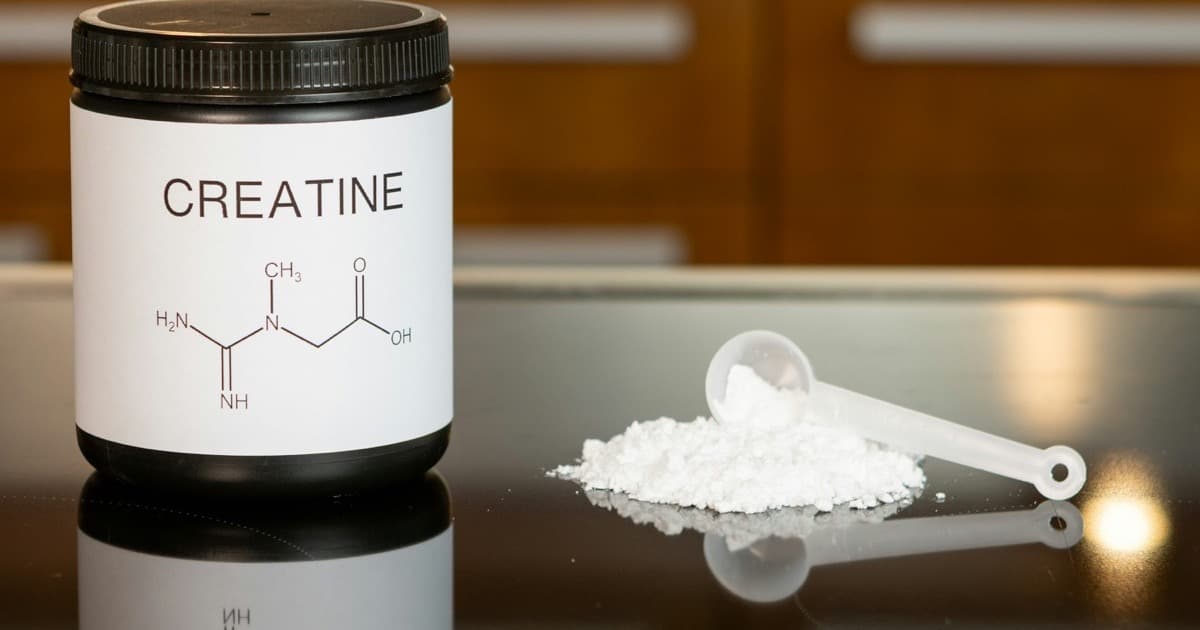
Creatine is best known as a sports supplement, yet interest in creatine cognitive performance has grown because the brain also needs a rapid supply of energy. The most useful reading of the evidence is measured: creatine may improve some memory and speed-based outcomes in some studies, especially when the brain is under metabolic stress, but it has not consistently improved overall cognition, attention scores, or executive function in healthy, well-rested adults.
That distinction matters. Cognitive performance is not one trait and a supplement result is not a diagnosis or a guarantee. To place any experiment in context, start with the broader guide to cognitive performance, then use repeated measurements rather than a single unusually good or bad day.
Why creatine could matter to the brain
Creatine participates in the phosphocreatine energy system. In simple terms, it helps cells rapidly regenerate ATP, the molecule used for short bursts of energy demand. Muscles have made this pathway familiar to athletes, but brain cells also use ATP continuously to support signalling and information processing. This provides a plausible biological rationale for studying creatine and cognition; it does not, by itself, prove a meaningful benefit in daily work or study.
Research therefore asks a more practical question: when participants receive creatine rather than a placebo, do specific tests of memory, attention, processing speed, or reasoning change? The answer depends on the test, the participants, the dose and duration, and whether participants are well rested or under a stressor such as sleep loss. Those differences are why a headline claiming that creatine “makes you smarter” goes beyond the evidence.
What the best current review found
A 2024 systematic review and meta-analysis of randomized controlled trials found signals in selected domains, including memory and the time needed for some attention and processing-speed tasks. At the same time, its pooled analyses did not show a statistically significant improvement in overall cognitive function, executive-function scores, attention scores, or processing-speed scores. The authors also reported meaningful variation between studies.
This mixed pattern is the central takeaway. A faster completion time on a task is not the same thing as broad cognitive improvement, and a positive average does not say that every person will respond. The study designs were also diverse, with relatively small samples for several outcomes. Treat creatine as a research-supported possibility worth discussing—not as a substitute for sleep, treatment, or fundamentals such as food, movement, and workload design.
Where the evidence looks more promising: high-demand conditions
Some of the more interesting trials place participants under substantial cognitive demand. A randomized, double-blind crossover study during partial sleep deprivation reported that a single high dose of creatine was associated with better cognitive performance and changes in cerebral high-energy phosphates compared with placebo. This is an intriguing result because sleep loss raises the brain’s energy demands.
But it should not be turned into a practical sleep-loss strategy. The trial studied a specific protocol in healthy volunteers under controlled conditions, and its dose was not a general recommendation for a late night at work. More importantly, an intervention that may soften a laboratory measure of sleep deprivation does not restore the broad health and safety benefits of sleep. If lack of sleep is persistent, sudden, severe, or interfering with daily life, speak with a qualified healthcare professional rather than trying to compensate with supplements.
Who might see a different result?
Responses may differ by baseline creatine intake, diet, age, health status, test choice, and the cognitive challenge involved. For example, a person who eats little dietary creatine may not have the same starting point as a person who regularly eats animal foods. That is a hypothesis about variability, not a reason to predict a benefit for any individual.
It is also important not to generalize cognitive-supplement findings into treatment claims. Studies in clinical or older populations can help generate questions, but they do not establish that creatine treats memory loss, attention disorders, depression, or neurodegenerative disease. Any cognitive change that is new, persistent, or affecting safety, work, school, or daily functioning deserves professional assessment.
How to evaluate a personal experiment without fooling yourself
If a clinician says a supplement trial is appropriate for you, make the measurement plan more rigorous than “I felt sharp today.” First establish a baseline. Use the same device, time of day, test environment, caffeine pattern, and pre-test routine as often as feasible. CortexLab’s cognitive performance test can help capture reaction time, processing speed, memory, and task-switching repeatedly; it is a tracking tool, not a medical assessment.
- Track the major confounders. Record sleep duration, illness, unusually hard exercise, alcohol, and caffeine. Sleep loss can have effects large enough to obscure a subtle supplement signal; see how sleep deprivation affects cognitive performance.
- Look at trends, not one result. Several comparable measurements before and during a consistent routine are more informative than one score.
- Separate practice from change. Repeating a task can improve scores simply because it becomes familiar. Compare patterns across more than one cognitive domain.
- Set a stop rule. Do not keep changing dose, caffeine, training, and sleep all at once. If adverse effects occur, stop and seek advice.
Test under comparable conditions and see whether a routine changes your own cognitive pattern over time.
Take the CortexLab Cognitive Test →Safety and supplement-quality considerations
The U.S. National Institutes of Health Office of Dietary Supplements notes that creatine has evidence for certain short, high-intensity exercise activities and is generally described as safe for healthy adults over studied periods. Its discussion is about exercise performance, however—not proof of a cognitive benefit. It also notes possible weight gain from water retention and reports that some people experience gastrointestinal discomfort or cramps.
“Generally safe for healthy adults” is not a personal safety clearance. Dietary supplements can interact with medications, products can contain multiple ingredients, and the research base does not cover every population or use pattern. Check with a clinician or pharmacist before starting if you are pregnant or breastfeeding, have kidney disease or other medical conditions, take regular medications, are considering a high-dose protocol, or are choosing a product for a teenager. Competitive athletes should also consider independent quality testing and their governing body’s rules.
Bottom line
The science on creatine cognitive performance is promising in narrow ways and unsettled in broad ones. The strongest responsible conclusion is that creatine may support certain memory or speed-related outcomes for some people, with especially interesting—but still limited—evidence under sleep deprivation or other high-demand conditions. It has not been shown to reliably elevate all aspects of cognition in everyone.
For most people, consistent sleep, regular activity, adequate nutrition, stress management, and a repeatable testing routine remain the higher-confidence foundations. Use cognitive tracking tools to make those foundations visible before attributing a score change to any one supplement.
FAQ
Does creatine improve memory?
A 2024 meta-analysis found a positive pooled effect for memory, but results varied across studies and do not guarantee an effect for an individual. Memory improvement should not be assumed from taking creatine alone.
Can creatine replace sleep for cognitive performance?
No. A controlled sleep-deprivation study is not evidence that a supplement replaces sleep. Adequate, regular sleep remains essential for cognitive function, health, and safety.
What is the best creatine dose for cognition?
There is no established cognitive dose for the general public. Study protocols differ substantially, including single high-dose laboratory protocols that should not be copied without professional guidance.
Is creatine safe for everyone?
No supplement is appropriate for everyone. People with medical conditions, people who take medications, pregnant or breastfeeding people, and teenagers should seek individualized advice from a qualified clinician or pharmacist.
References
- Xu M, et al. The effects of creatine supplementation on cognitive function in adults: a systematic review and meta-analysis. Frontiers in Nutrition. 2024.
- Gordji-Nejad A, et al. Single dose creatine improves cognitive performance and induces changes in cerebral high energy phosphates during sleep deprivation. Scientific Reports. 2024.
- Gordji-Nejad A, et al. Single-Dose Creatine Reduces Sleep Deprivation-Induced Deterioration in Cognitive Performance. 2025.
- National Institutes of Health Office of Dietary Supplements. Dietary Supplements for Exercise and Athletic Performance: Fact Sheet for Consumers.
Share this article

Michelle Liu
Developer & Cognitive Performance Researcher at CortexLab
Software engineer bridging cognitive science and technology. Focused on building scientifically-grounded brain performance measurement tools.