Reaction Time Games: Can They Actually Improve Your Speed?
 Michelle Liu
Can Games Actually Improve Your Reaction Time?
The short answer: yes, but with important caveats. Research consistently shows that certain types of games can measurably improve reaction time, while others provide little more than entertainment. The key is understanding which games train the right neural pathways and how to maximize the transfer effect to real-world performance.
This article covers the science behind reaction time training through games, the best types of games for improvement, and how to verify that your training is actually working.
The Science: How Games Train Reaction Time
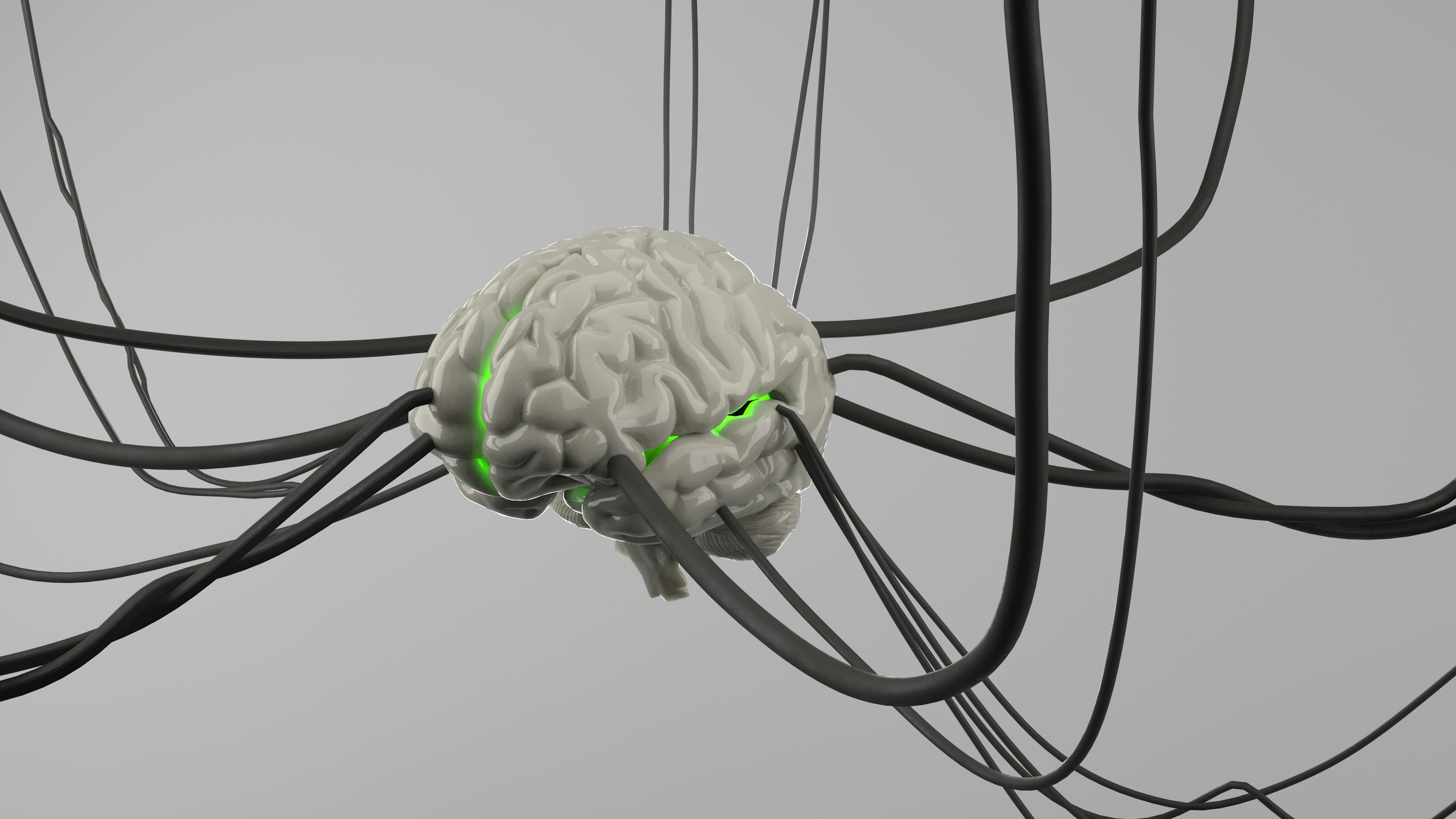
Reaction time involves a chain of neural processes: stimulus detection, cognitive processing, and motor execution. Games can improve each of these stages through different mechanisms.
Perceptual Learning
Action games train the brain to detect visual stimuli more quickly and accurately. A landmark 2003 study by Green and Bavelier at the University of Rochester found that action video game players had significantly better visual attention and faster processing of visual information than non-gamers.
Decision-Making Speed
Games that require rapid choices under pressure train the cognitive processing stage of reaction time. The brain learns to reduce the deliberation time between detecting a stimulus and selecting a response.
Motor Programming
Repeated practice of specific motor responses (clicking, tapping, pressing specific keys) strengthens the neural pathways for motor execution, making the physical response faster and more automatic.
The Transfer Problem
The critical question is whether improvements in games transfer to other contexts. Research suggests:
- Near transfer (improvement in similar tasks) is reliable and well-documented
- Far transfer (improvement in unrelated tasks) is more limited but does occur with action games
- Action video games show the broadest transfer effects of any game type studied
Measure your gaming reaction time
Take the free CortexLab test now
Best Game Types for Reaction Time Training
1. PVT-Based Reaction Time Tests
The most direct form of reaction time training. CortexLab's PVT-based test measures your reaction time with millisecond precision and provides tracking over time.
- What it trains: Pure stimulus-response speed, sustained attention
- Transfer effect: High for all reaction time scenarios
- Recommended: 3 minutes daily for baseline training and progress tracking
2. First-Person Shooter (FPS) Games
The most researched genre for reaction time improvement. Studies consistently show that FPS players develop:
- Faster visual processing: 10-15% improvement in processing visual information
- Better attentional control: Improved ability to track multiple objects simultaneously
- Reduced attentional blink: Shorter "blind spot" after detecting one stimulus before detecting the next
A 2010 meta-analysis found that even non-gamers who played action games for 10-50 hours showed significant improvements in attention and processing speed.
3. Rhythm Games
Games that require tapping or pressing buttons in sync with audio/visual cues train the timing precision of motor responses.
- What they train: Motor timing, audio-visual synchronization, anticipation
- Transfer effect: Moderate — particularly useful for tasks requiring precise timing
- Examples: Beat Saber, OSU!, Guitar Hero, Taiko no Tatsujin
4. Sports and Racing Simulations
These games require rapid responses to unpredictable events, training both reaction time and decision-making under pressure.
- What they train: Complex reaction time (choosing the right response among many), anticipation
- Transfer effect: Good for sports-specific reaction tasks
- Examples: Racing simulators, sports games, flight simulators
5. Whack-a-Mole Style Games
Simple but effective: targets appear at random positions and you must react as quickly as possible.
- What they train: Simple reaction time, peripheral vision, visual scanning
- Transfer effect: Moderate — good entry point for beginners
- Note: Effectiveness decreases as the task becomes too easy. Look for adaptive difficulty
Games That DON'T Help Much
Not all games are equal when it comes to reaction time training:
- Turn-based strategy games: Excellent for strategic thinking, but no reaction time benefit
- Puzzle games without time pressure: Good for problem-solving, not for speed
- Idle/incremental games: No cognitive benefit of any kind
- Games you've mastered: Once a game becomes too easy, the training effect disappears. You need to be consistently challenged
How to Maximize Training Effectiveness
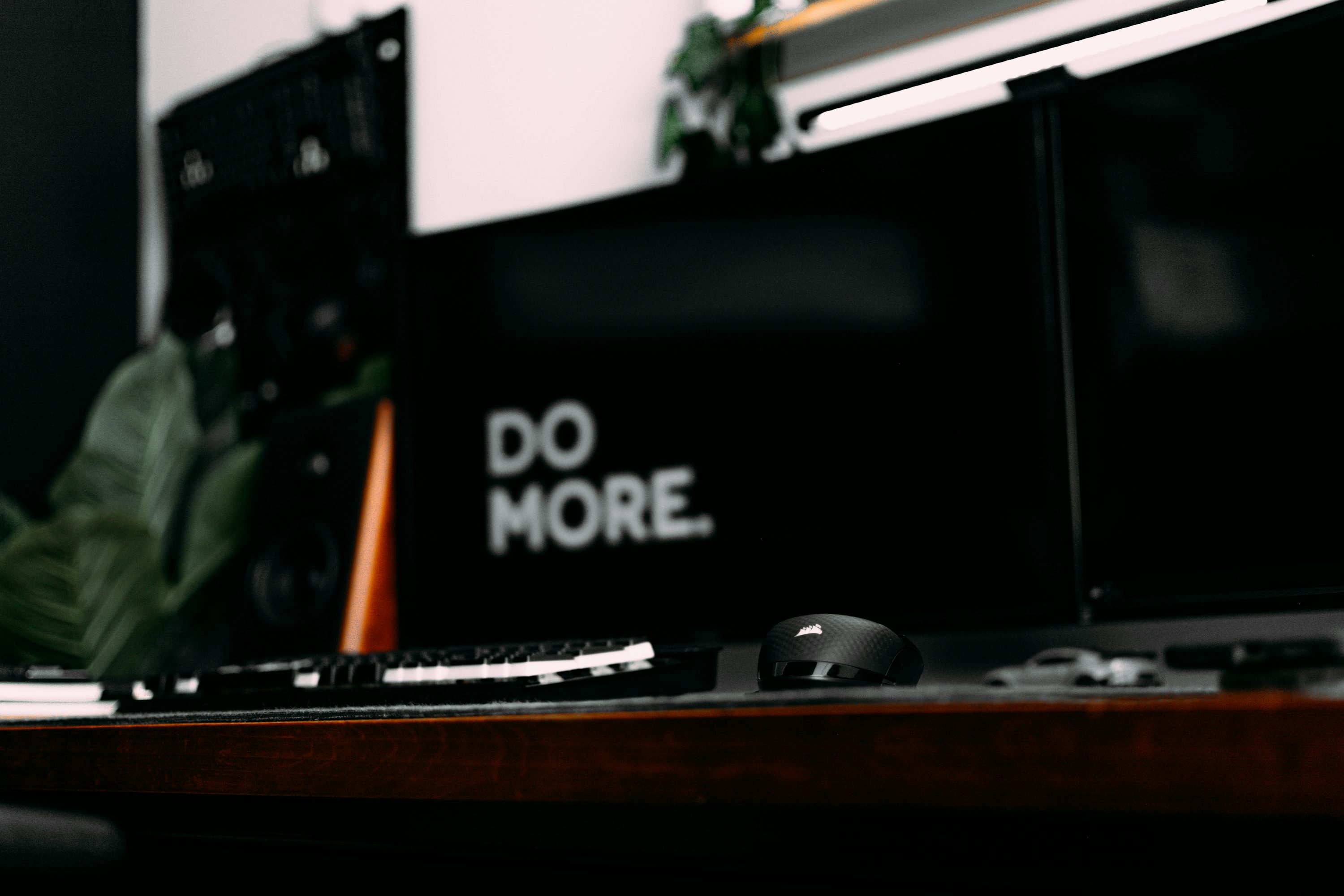
Optimal Training Duration
Research suggests a sweet spot for game-based reaction time training:
- Session length: 20-30 minutes per session. Longer sessions lead to fatigue that can actually slow reaction time
- Frequency: 3-5 sessions per week
- Total volume: Benefits become measurable after approximately 10-15 hours of total gameplay
- Variety: Alternate between different game types to train multiple aspects of reaction time
Combine with Physical Training
Game-based training is most effective when combined with physical exercise. Aerobic exercise improves reaction time through different mechanisms (increased blood flow, dopamine, BDNF), so the effects stack.
Don't Neglect Sleep
All training gains are consolidated during sleep. If you're gaming late at night and sacrificing sleep, you're likely undoing your training benefits. Prioritize 7-9 hours of quality sleep.
Track Your Progress Objectively
In-game scores can be misleading — you might be improving at the game without improving your fundamental reaction time. Use a standardized test to measure actual progress.
Measuring Your Improvement
CortexLab provides the objective measurement you need to verify that your training is working:
- PVT reaction time test: A standardized, game-independent measure of your true reaction speed
- Three key metrics: Median RT (typical speed), fastest 10% (peak ability), and lapse count (consistency)
- Trend tracking: Visualize your improvement over weeks and months
- Condition logging: Record whether you played games that day, plus sleep, exercise, and caffeine, to identify what's actually driving your improvement
A Simple Protocol
- Week 1: Take CortexLab's PVT test 3-5 times to establish your baseline
- Weeks 2-5: Train with reaction time games 20-30 minutes, 3-5 days per week
- Weekly check: Take the PVT test once per week to track progress
- Week 6: Compare your current scores to your baseline
Most people who follow this protocol see a 10-20ms improvement in median reaction time within the first month.
Who Benefits Most from Reaction Time Games?
- Competitive gamers: Targeted training can provide the edge in competitive matches where milliseconds matter
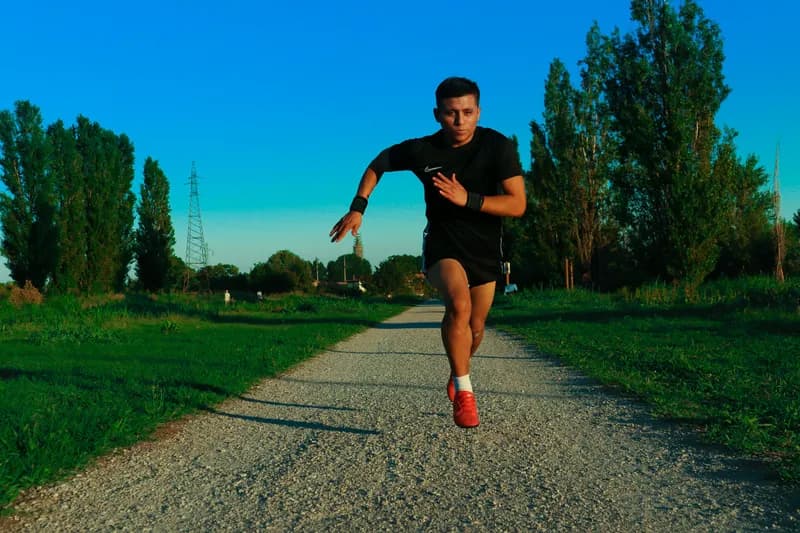
- Athletes: Sports requiring fast reactions (tennis, baseball, goalkeeping) benefit from supplementary game-based training
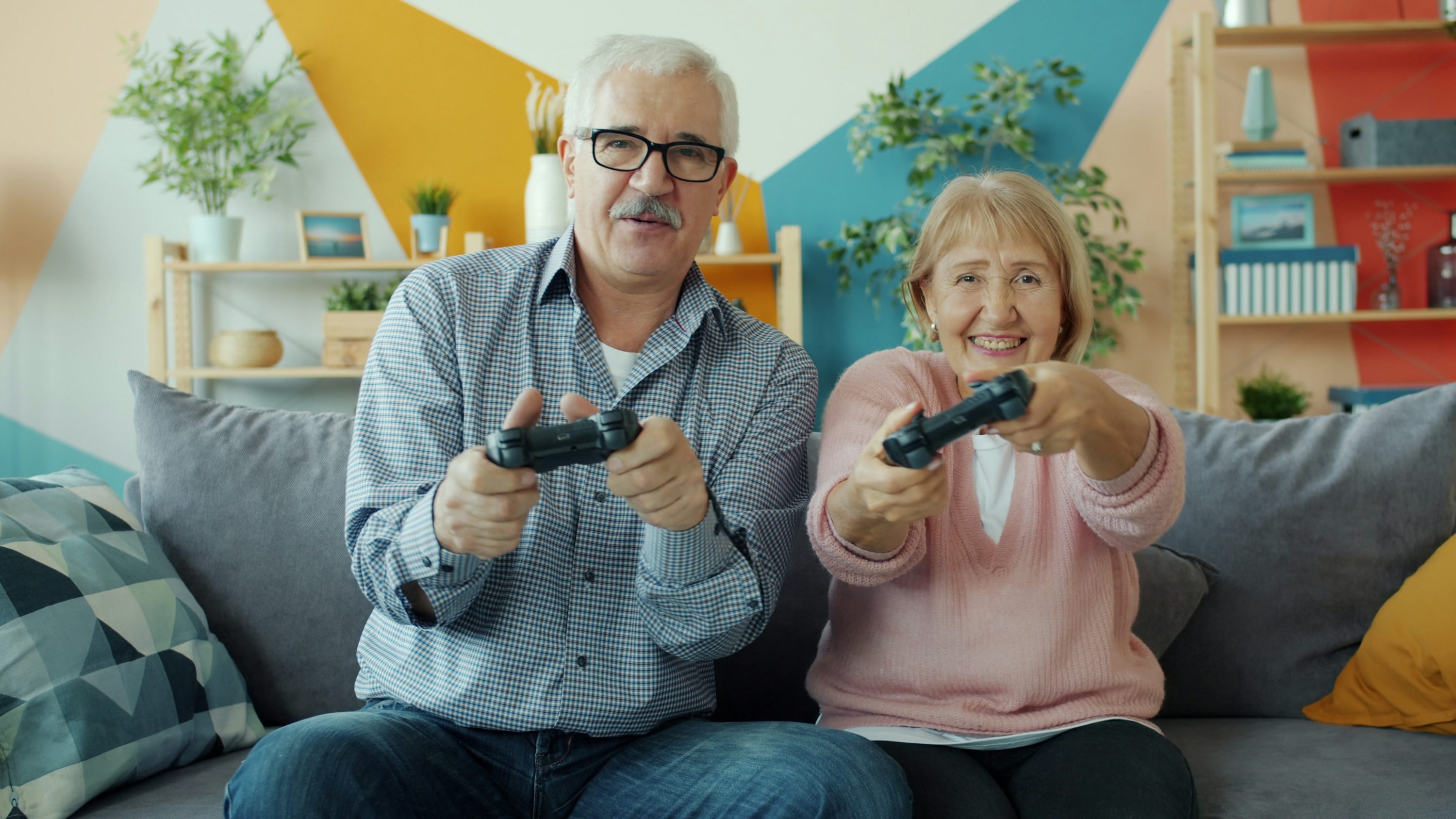
- Older adults: Research shows that game-based training can partially offset age-related reaction time decline
- Anyone who wants faster reflexes: Whether for driving safety, workplace performance, or personal satisfaction
Games can genuinely improve your reaction time — but only the right games, played the right way. Focus on action games with adaptive difficulty, keep sessions to 20-30 minutes, combine with exercise and sleep optimization, and measure your actual progress with CortexLab's PVT test. The data will tell you exactly whether your training is paying off.
Share this article

Michelle Liu
Developer & Cognitive Performance Researcher at CortexLab
Software engineer bridging cognitive science and technology. Focused on building scientifically-grounded brain performance measurement tools.

![Reaction Time Test: How Fast Are You? [Free Online Test]](/_next/image?url=%2Fimages%2Fblog%2Freaction-time-test%2Fthumbnail.webp&w=3840&q=75)
![Fastest Reaction Times Ever Recorded [Sports, Gaming, Science]](/_next/image?url=%2Fimages%2Fblog%2Ffastest-reaction-times%2Fthumbnail.webp&w=3840&q=75)