
Does Caffeine Improve Reaction Time? What the Research Says
 Michelle Liu
Does Caffeine Improve Reaction Time? What the Research Says
Caffeine is the world's most widely used psychoactive substance — and for good reason. Most people feel sharper and more alert after their morning coffee. But does caffeine actually measurably improve reaction time, or is it just perception?
The short answer: yes, caffeine reliably improves reaction time by 10–20ms. This article breaks down the research, optimal dosing, timing, and how to use CortexLab to find your personal caffeine sweet spot.
The Evidence: Caffeine and Reaction Time
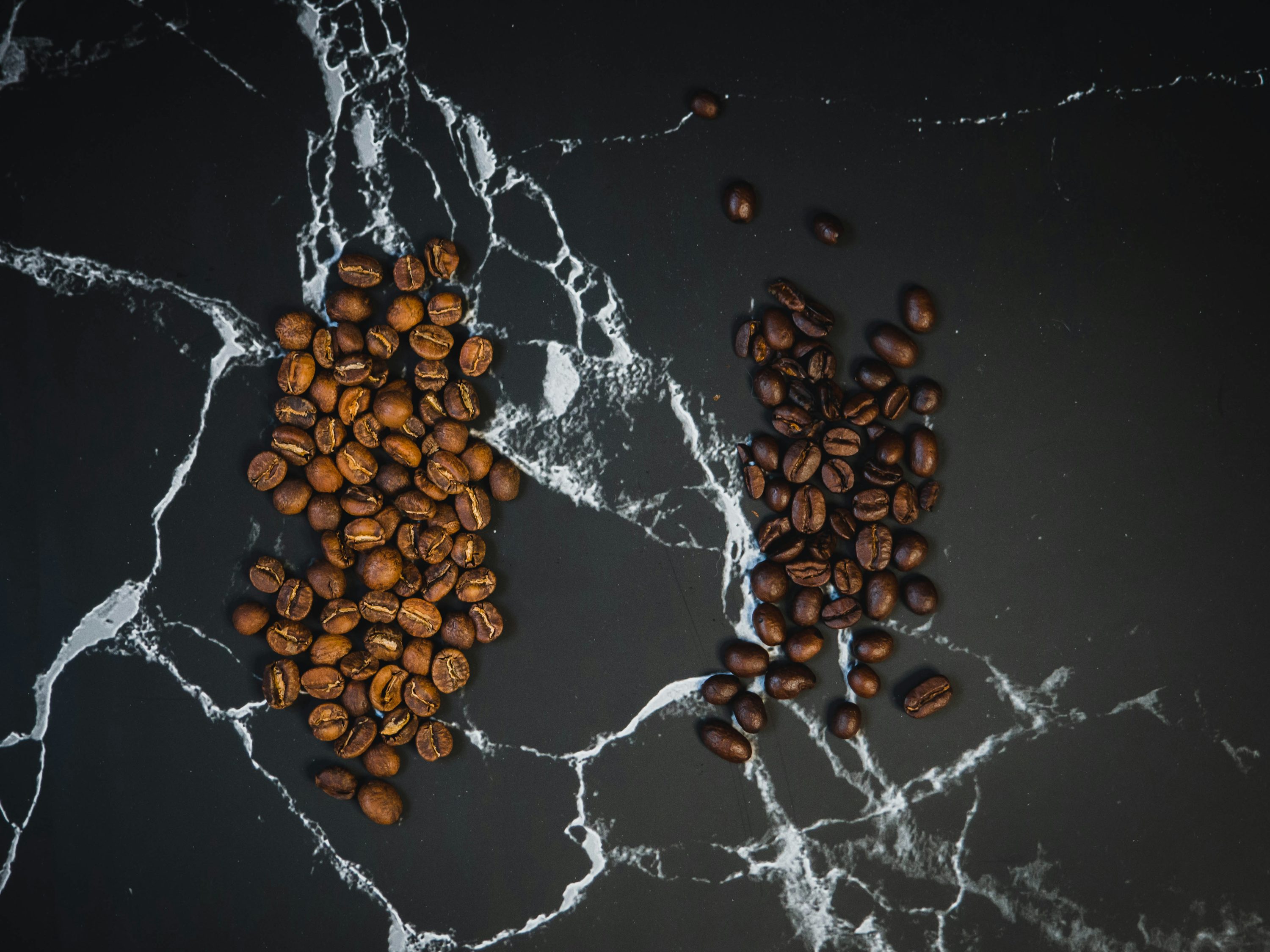
Consistent Research Findings
Dozens of studies have examined caffeine's effect on reaction time. The findings are remarkably consistent:
- Simple reaction time: Improves by 10–20ms on average (Einöther & Giesbrecht, 2013)
- Choice reaction time: Improves by 15–30ms (more complex decisions benefit more)
- Sustained attention (PVT): Lapse count decreases significantly — caffeine keeps you consistently fast over time
- Effect size: Small to moderate, but highly reliable across studies and populations
How Caffeine Works on Reaction Time
Caffeine improves reaction time through several mechanisms:
- Adenosine receptor blockade: Caffeine blocks adenosine (the "sleepiness" chemical) from binding to its receptors, maintaining alertness and neural firing rates
- Dopamine increase: Caffeine indirectly increases dopamine availability, which improves signal-to-noise ratio in neural processing
- Norepinephrine release: Enhances arousal and vigilance, leading to faster stimulus detection
Measure caffeine's effect on YOUR reaction time
Take CortexLab's free PVT test before and after coffee
Optimal Dosing for Reaction Time
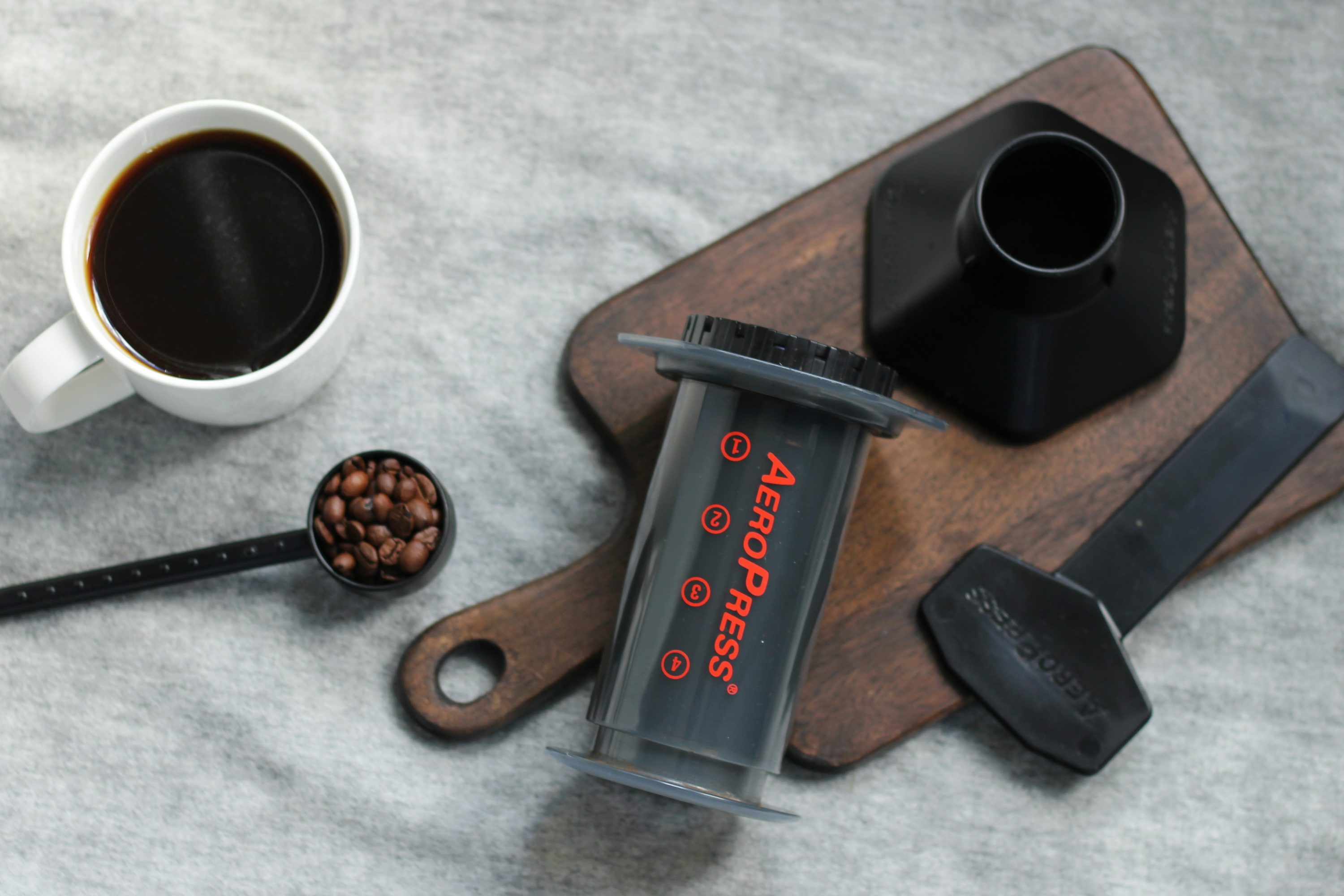
The Sweet Spot: 100–200mg
- <50mg (half a cup of coffee): Minimal measurable effect on reaction time
- 100–200mg (1–2 cups of coffee): Optimal range. Consistent improvement in reaction time with minimal side effects
- 200–400mg (2–4 cups): Diminishing returns. Reaction time improvement plateaus, but anxiety and jitteriness increase
- >400mg: Likely counterproductive. Anxiety, tremor, and overstimulation can worsen reaction time
Common Caffeine Sources
- Brewed coffee (240ml): ~95mg
- Espresso (30ml): ~63mg
- Black tea (240ml): ~47mg
- Green tea (240ml): ~28mg
- Caffeine pill: Typically 100 or 200mg (precise dosing)
- Energy drink (250ml): ~80mg (but often with sugar, which has its own effects)
Timing: When to Take Caffeine
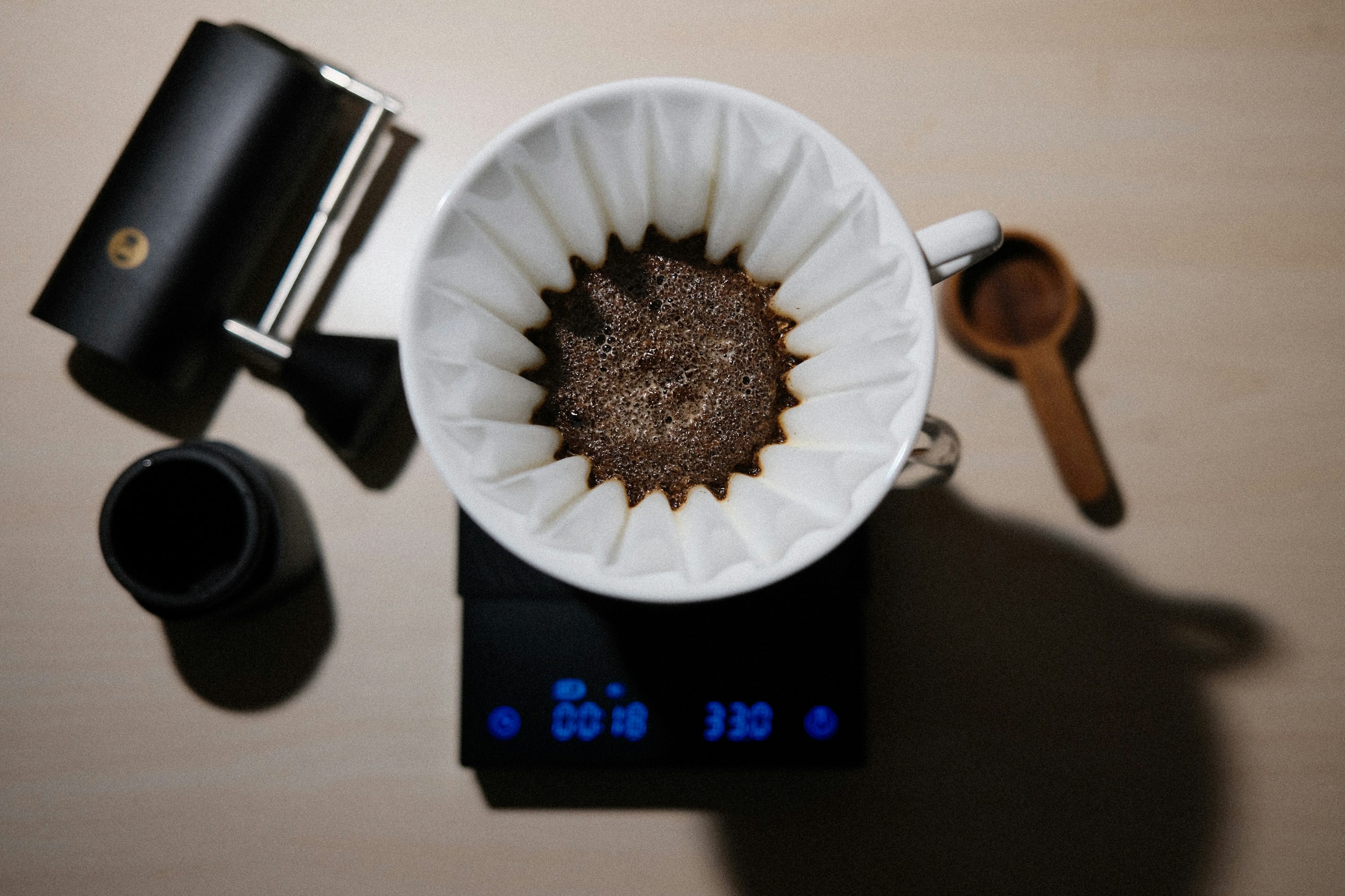
For Peak Reaction Time
- Onset: Effects begin 15–30 minutes after ingestion
- Peak: Maximum effect at 30–60 minutes
- Duration: Effects last 3–5 hours (half-life: 5–6 hours for most people)
If you need peak reaction time for a specific event (competition, presentation, driving), consume caffeine 30–60 minutes beforehand.
Morning Cortisol Interaction
Cortisol (your body's natural alertness hormone) peaks 30–45 minutes after waking. Some researchers suggest waiting until cortisol drops (~90 minutes after waking) before having caffeine for maximum effect. However, the practical difference is small for most people.
Caffeine Cutoff Time
Caffeine's half-life means a 2pm coffee still has significant caffeine in your system at 10pm. For optimal sleep (which is more important for reaction time than caffeine):
- Conservative: No caffeine after 12pm
- Moderate: No caffeine after 2pm
- Individual sensitivity varies widely — some people can have coffee at 6pm and sleep fine, others are affected by afternoon tea
Tolerance: The Catch
Regular caffeine consumption leads to tolerance — your baseline without caffeine drops, and caffeine merely restores you to "normal."
- Tolerance develops in 1–2 weeks of daily consumption
- With full tolerance, caffeine doesn't make you faster than baseline — it prevents you from being slower than baseline (i.e., prevents withdrawal effects)
- Strategic approach: Use caffeine on days when reaction time matters most, rather than daily. This maintains its effectiveness as a performance enhancer
- Tolerance reset: 7–12 days of caffeine abstinence largely resets tolerance
Caffeine vs. Sleep: No Contest
Caffeine is no substitute for sleep. The comparison:
- One night of poor sleep: Reaction time worsens by 20–50ms
- Optimal caffeine dose: Improves reaction time by 10–20ms
- Net effect: Caffeine partially compensates for sleep loss, but cannot fully reverse it
- Prioritize 7–9 hours of sleep. Use caffeine as a supplement, not a replacement
How to Find YOUR Optimal Caffeine Strategy
CortexLab makes it easy to test caffeine's effect on your personal reaction time:
The Experiment
- Baseline days: Take the PVT test in the morning without caffeine for 3 days. Record your median RT and lapse count
- Caffeine days: Take caffeine 30 minutes before the PVT. Start with 100mg. Test for 3 days
- Compare: Look at median RT, fastest 10%, and lapse count across conditions
- Optimize: Try different doses (100mg, 150mg, 200mg) and timing to find your sweet spot
What to Look For
- Lapse count: Often the most dramatic improvement — caffeine may reduce lapses from 3–5 to 0–1
- Median RT: Expect 10–20ms improvement at optimal dose
- Fastest 10%: May not change much — caffeine primarily helps with consistency rather than peak speed
Special Populations
- Gamers: Caffeine is widely used in esports. The 10–20ms improvement is meaningful in competitive gaming
- Athletes: Caffeine is one of the most well-studied legal performance enhancers. Reaction time improvement benefits sprint starts, combat sports, and ball sports
- Shift workers: Caffeine can partially compensate for circadian misalignment, but strategic napping is more effective
- ADHD: Some people with ADHD self-medicate with caffeine. The dopamine increase can improve both reaction time and focus, though the effect is smaller than prescription medications
Caffeine reliably improves reaction time by 10–20ms at optimal doses (100–200mg), with effects peaking 30–60 minutes after consumption. But tolerance, timing, and individual variation matter. Use CortexLab's PVT test to measure caffeine's exact effect on your reaction time, find your optimal dose, and remember: no amount of caffeine replaces good sleep.
Share this article

Michelle Liu
Developer & Cognitive Performance Researcher at CortexLab
Software engineer bridging cognitive science and technology. Focused on building scientifically-grounded brain performance measurement tools.

![Reaction Time Test: How Fast Are You? [Free Online Test]](/_next/image?url=%2Fimages%2Fblog%2Freaction-time-test%2Fthumbnail.webp&w=3840&q=75)