How to Improve Working Memory: 7 Science-Backed Strategies
 Michelle Liu
How to Improve Working Memory: 7 Science-Backed Strategies
Working memory — your brain's ability to hold and manipulate information in real time — affects nearly everything you do: following conversations, solving problems, learning new skills, and making decisions. The good news: working memory can be improved.
This article covers the most effective, evidence-based strategies for boosting working memory performance, from daily training to lifestyle changes that strengthen the underlying brain systems.
Can Working Memory Actually Be Improved?

Yes — but with an important nuance. Research distinguishes between two types of improvement:
- Capacity (how many items you can hold): The upper limit (~4 chunks) is difficult to expand beyond its biological constraints
- Efficiency (how well you use that capacity): Highly trainable through practice, lifestyle, and strategy
For most people, improving efficiency — processing faster, filtering better, chunking more effectively — produces the same real-world benefits as "expanding" capacity. Learn more about the science in our article on what is working memory.
Track your working memory improvement
Take the free CortexLab test to measure your baseline
7 Strategies to Improve Working Memory

1. N-Back Training (Strongest Evidence)
The N-back task is the most studied working memory training method in cognitive science.
- How it works: You see a sequence of items and must identify when the current item matches the one from N steps back. As you improve, N increases
- Why it works: It trains the updating function of working memory — the ability to continuously refresh and replace information
- Protocol: 15–20 minutes per day, 3–5 times per week, for at least 4 weeks
- Dual N-back (visual + auditory simultaneously) is more effective than single N-back
- Evidence: Multiple studies show reliable improvement on working memory tasks. Transfer to fluid intelligence is debated but possible under optimal conditions
2. Aerobic Exercise (Strongest Lifestyle Factor)
Regular aerobic exercise is arguably the single most impactful thing you can do for working memory.
- Mechanism: Exercise increases BDNF (brain-derived neurotrophic factor), which strengthens the prefrontal cortex and hippocampus — the core working memory regions
- Dosage: 150+ minutes per week of moderate-intensity exercise (brisk walking, jogging, cycling, swimming)
- Acute effect: A single 20-minute walk improves working memory for 1–2 hours
- Chronic effect: Regular exercise over months produces structural brain changes visible on MRI
3. Sleep Optimization
Sleep deprivation is the fastest way to destroy working memory. Conversely, optimizing sleep is the fastest way to restore it.
- Target: 7–9 hours consistently
- Why it matters: Sleep restores prefrontal cortex function and consolidates the day's learning into long-term memory, freeing up working memory capacity for the next day
- Impact: Going from 6 to 8 hours can improve working memory performance by 15–25%
- See the relationship between ADHD and working memory — sleep is especially critical for ADHD brains
4. Chunking Practice
Since working memory holds ~4 chunks, making each chunk larger effectively increases what you can work with.
- How to practice: Actively look for patterns and groupings in information. Phone numbers, addresses, and concepts can all be chunked
- Domain knowledge helps: The more you know about a subject, the larger your chunks can be. A chess master "sees" board positions as a few meaningful patterns, not 32 individual pieces
- Reading practice: Speed reading training improves chunking of text, allowing more information per fixation
5. Mindfulness Meditation
Meditation trains the attentional control system — the "gatekeeper" that decides what enters working memory.
- How it helps: Improves filtering of irrelevant information, reducing working memory load from mental noise and distracting thoughts
- Protocol: 10–15 minutes daily of focused-attention meditation (following the breath)
- Evidence: Meta-analyses show small to moderate improvements in working memory after 4+ weeks of regular practice
6. Reduce Cognitive Load
You can effectively "improve" working memory by reducing unnecessary demands on it.
- Externalize: Write things down. Use checklists, calendars, and note-taking apps to offload "remembering" tasks
- Single-task: Multitasking splits working memory across tasks. Focus on one thing at a time
- Organize your environment: A clean workspace means less visual information competing for working memory resources
- Limit notifications: Each notification consumes working memory capacity to process, even if you don't act on it
7. Nutrition
Several nutrients support the brain systems underlying working memory:
- Omega-3 fatty acids: Support neural membrane function and may improve prefrontal cortex efficiency. Sources: fatty fish, walnuts, flaxseed
- Creatine: Emerging evidence suggests supplementation may improve working memory, especially under stress or sleep deprivation
- Iron and B12: Deficiencies directly impair cognitive function. Check levels if you're vegetarian, vegan, or female
- Caffeine: Acute boost to working memory (100–200mg). Best used strategically rather than chronically
How to Track Your Improvement
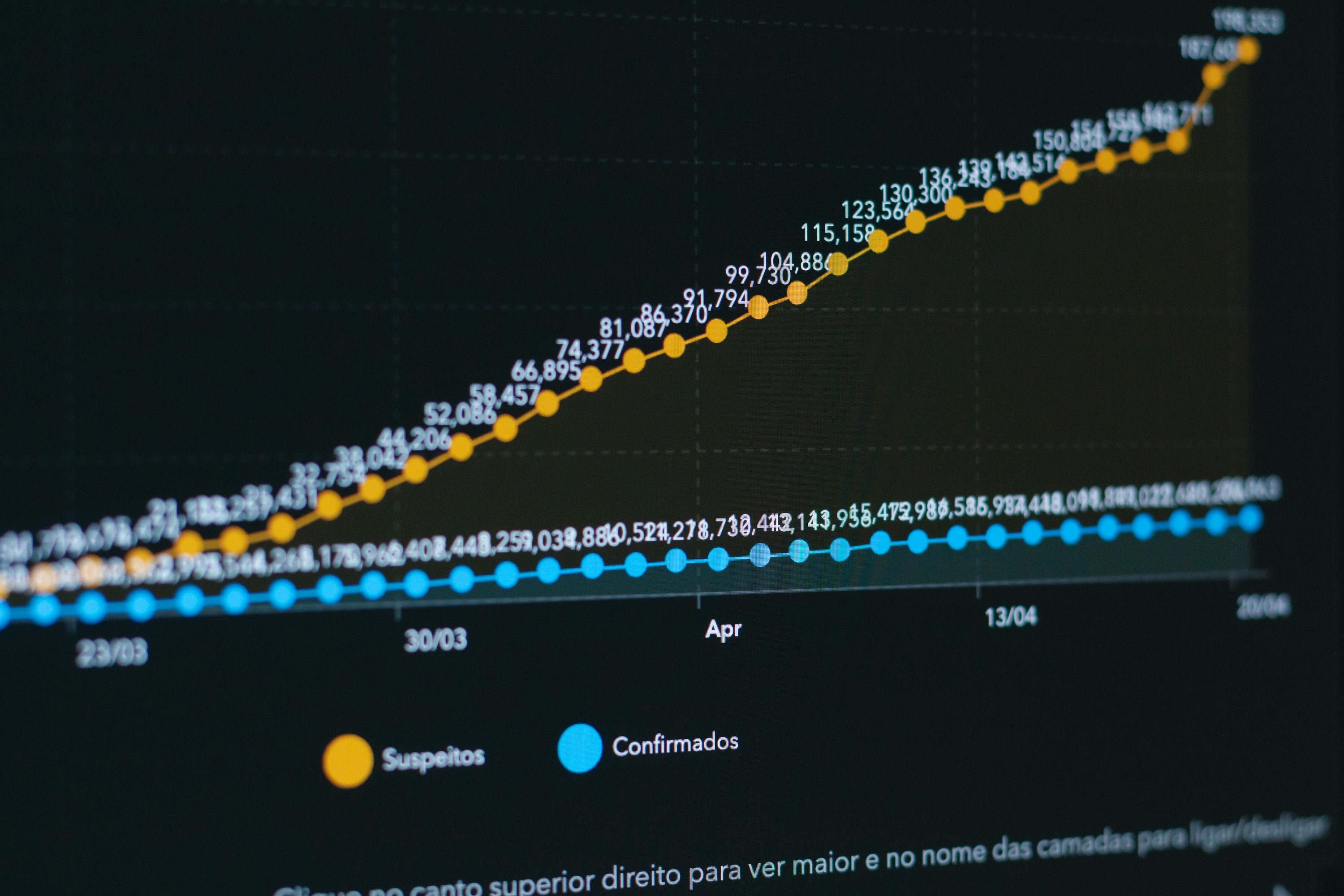
Improvement without measurement is guesswork. CortexLab provides the tools to track working memory changes objectively:
- Baseline: Take the Memory Grid and DSST tests 3–5 times over a week to establish your starting point
- Train: Implement your chosen strategies for 4+ weeks
- Measure weekly: Take the tests once per week at the same time of day
- Analyze trends: Use CortexLab's trend charts to see if scores are improving, stable, or declining
- Log conditions: Record sleep, exercise, and other factors to identify what correlates with your best performance
What to Expect

- Week 1–2: Familiarity effects — test scores may improve simply from learning the test format
- Week 3–4: Genuine improvement from training and lifestyle changes begins to appear
- Month 2–3: Measurable gains stabilize. You may notice real-world benefits: easier conversations, better focus at work, faster learning
- Long-term: Maintenance is key. Working memory gains from training can fade if practice stops, but lifestyle improvements (exercise, sleep) provide lasting benefits
Improving working memory is achievable through a combination of targeted training (N-back), lifestyle optimization (exercise, sleep, nutrition), and smart strategies (chunking, reducing cognitive load). Start by measuring your baseline with CortexLab's free tests, then implement the strategies that fit your life. Track your progress weekly, and you'll have concrete data showing that your working memory is getting stronger.
Share this article

Michelle Liu
Developer & Cognitive Performance Researcher at CortexLab
Software engineer bridging cognitive science and technology. Focused on building scientifically-grounded brain performance measurement tools.